EN
EN


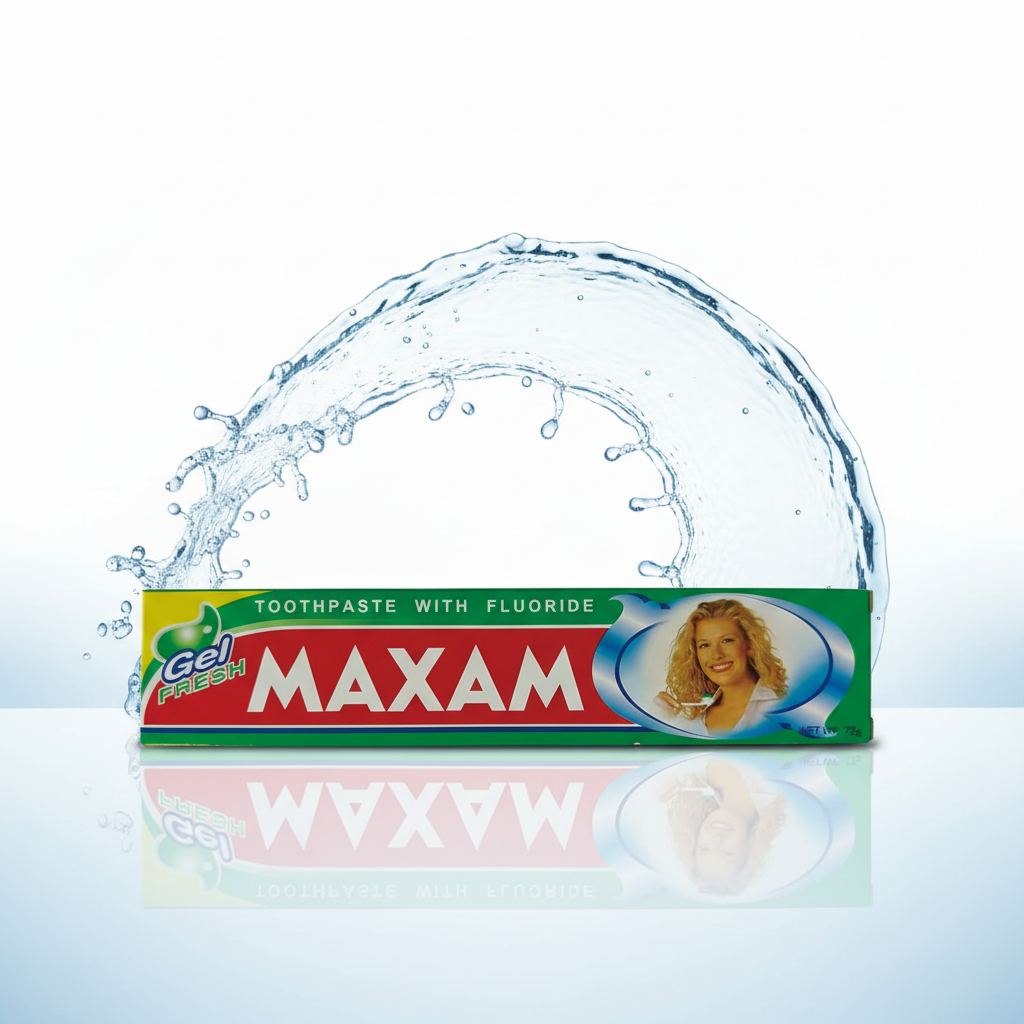
When evaluating any oral care product, the question of what is actually inside the formula matters more than the packaging or brand name. maxam toothpaste has built a strong reputation in both consumer and institutional markets by delivering a reliable, multi-function formula that addresses everyday dental hygiene needs. Understanding what gives this product its effectiveness requires a closer look at the specific ingredients that work together to clean teeth, protect enamel, freshen breath, and support overall gum health.
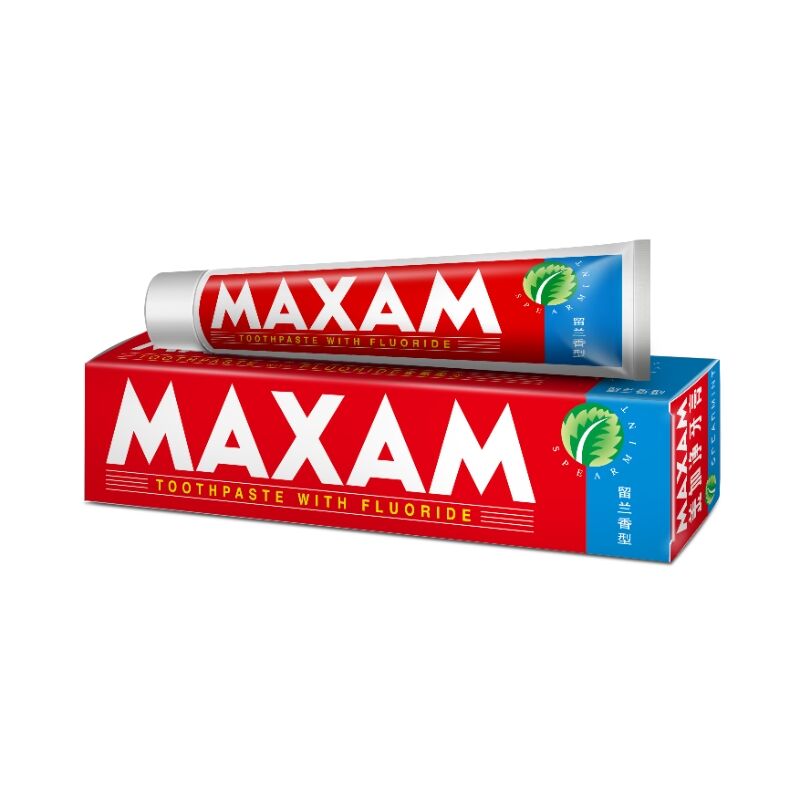
maxam toothpaste is designed to meet the demands of daily oral care across a wide range of consumers, including families, hospitality establishments, and bulk purchasers. Its formulation reflects a careful balance of established dental science and practical usability. Rather than relying on a single standout ingredient, maxam toothpaste achieves its effectiveness through a synergistic combination of cleaning agents, fluoride compounds, humectants, and flavoring systems that together deliver a complete brushing experience.
Fluoride is widely recognized as one of the most scientifically validated ingredients in modern oral care, and it forms a cornerstone of the maxam toothpaste formula. Fluoride works by remineralizing weakened enamel, effectively reversing the early stages of tooth decay before visible cavities can form. When fluoride ions are introduced to the tooth surface during brushing, they integrate into the enamel structure and create a harder, more acid-resistant mineral layer known as fluorapatite.
In the context of maxam toothpaste, fluoride serves as a daily preventive measure for users of all age groups. Regular use allows the compound to build up a steady level of protection that significantly reduces the risk of caries, particularly in individuals who consume acidic foods or beverages. This makes fluoride not just a reactive ingredient but a proactive defense mechanism that works continuously with each brushing session.
The fluoride concentration in maxam toothpaste is calibrated to fall within the range recommended by dental health authorities for daily use. This ensures that users receive meaningful protection without overexposure, making the product suitable for regular twice-daily brushing routines. For institutional buyers such as hotels or guesthouses seeking dependable oral hygiene products for their guests, this reliability is a key selling point.
One of the nuances of a well-formulated toothpaste is that fluoride must coexist with other ingredients without being deactivated or chemically neutralized. maxam toothpaste is formulated with compatible abrasive and binding agents that do not interfere with fluoride bioavailability. This is a technically important distinction, as some toothpaste formulas use calcium-based abrasives that can bind to fluoride and reduce its effectiveness before it even reaches the tooth surface.
By selecting ingredient combinations that preserve fluoride activity, maxam toothpaste ensures that the stated fluoride content actually delivers its intended protective benefit. This compatibility-focused formulation approach is a reflection of the technical care that goes into developing a product intended for consistent, mass-market oral care use.
Effective toothpaste must remove plaque, surface stains, and food debris without eroding the enamel that protects teeth from decay and sensitivity. maxam toothpaste uses mild abrasive compounds that accomplish this balance precisely. Abrasives in toothpaste work through gentle mechanical action during brushing, dislodging biofilm and deposits that accumulate on tooth surfaces throughout the day.
The abrasivity level of a toothpaste is measured by the Relative Dentin Abrasivity (RDA) index, and responsible formulations like maxam toothpaste are designed to stay within safe parameters that protect long-term enamel integrity. A formula that is too abrasive will gradually wear down enamel and increase sensitivity, while one that is too mild may not effectively clean teeth. The calibrated abrasive system in maxam toothpaste strikes this balance for everyday consumer use.
For hotels, travel kits, and institutional distribution, having a toothpaste that is gentle enough for all types of users, including those with existing sensitivity, is critical. maxam toothpaste addresses this by avoiding overly aggressive abrasive agents while still delivering a noticeably clean feel after brushing.
Hydrated silica is one of the most commonly used abrasive agents in modern toothpaste, and its presence in maxam toothpaste contributes both to physical cleaning performance and to the formula's smooth, pleasant texture. Silica particles are fine-grained and uniform, which allows them to remove surface stains and bacterial film effectively without scratching the enamel.
Beyond its cleaning function, silica also acts as a thickening agent that gives maxam toothpaste its characteristic consistency. This dual role makes silica an exceptionally efficient ingredient from a formulation standpoint. Users benefit from a paste that applies evenly to the brush, spreads smoothly across teeth, and rinses cleanly without leaving a heavy residue.
Surfactants are the ingredients responsible for creating the foam that most people associate with brushing. In maxam toothpaste, surfactants such as sodium lauryl sulfate (SLS) serve two important functions: they lower the surface tension of saliva and water, allowing the toothpaste to spread more easily across all tooth surfaces, and they help to lift and suspend plaque and debris so they can be rinsed away effectively.
The foaming action of maxam toothpaste is intentionally developed to feel thorough and satisfying without being excessively heavy. This is relevant for institutional applications where guest experience and product usability are factored into purchasing decisions. A toothpaste that foams well but rinses cleanly creates a positive impression that complements the overall quality positioning of the product.
While some users with sensitivity to SLS may seek SLS-free alternatives, the concentration used in maxam toothpaste is in line with industry norms and is considered well-tolerated by the general population. This makes it appropriate for a broad base of consumers across diverse markets.
Humectants play a critical but often overlooked role in toothpaste formulation. Their primary function is to retain moisture within the paste, preventing it from drying out and hardening over time. maxam toothpaste uses glycerin as its primary humectant, a compound that is both effective at moisture retention and safe for oral use. Glycerin also contributes a mild sweetness that enhances the overall sensory experience of brushing without relying on sugar.
Binding agents, often referred to as thickeners or gelling agents, give maxam toothpaste its cohesive, stable consistency. These ingredients ensure that the solid and liquid components of the formula do not separate during storage or transportation. For bulk buyers and distributors handling large quantities over extended periods, this stability is an important quality assurance factor that directly affects product reliability at the point of use.
Breath freshening is one of the most immediate and consumer-valued outcomes of brushing, and the flavoring system in maxam toothpaste is specifically designed to deliver this effectively. Mint-based flavoring compounds, primarily derived from peppermint or spearmint oils, are used to produce the clean, fresh sensation that users associate with a good brushing experience.
Beyond the sensory benefit, mint compounds also have mild antimicrobial properties that contribute to reducing the bacterial load in the oral cavity. This means the flavoring component in maxam toothpaste is not merely cosmetic, it actively participates in the oral hygiene function of the product. The combination of a clean mechanical brushing effect and the antimicrobial action of mint creates a more complete hygiene outcome than cleaning alone would provide.
The intensity and longevity of the mint flavor in maxam toothpaste is calibrated to feel refreshing without being harsh or overpowering. This is particularly important for products intended for hotel guests or general consumers who may have varying preferences for flavor intensity. A balanced flavor profile makes maxam toothpaste more widely acceptable across diverse user groups.
Toothpaste must taste acceptable enough to encourage consistent use, especially twice-daily brushing. maxam toothpaste uses non-cariogenic sweeteners such as saccharin to improve palatability without contributing to tooth decay. Saccharin provides sweetness at very low concentrations, which makes it both cost-effective and functionally appropriate for oral care applications.
The inclusion of a mild sweetener in the maxam toothpaste formula is not a compromise on oral health, it is a deliberate strategy to ensure that users enjoy the brushing experience and are therefore more likely to maintain regular brushing habits. From a public health perspective, a toothpaste that people actually want to use consistently delivers better outcomes than a clinically superior product that is unpleasant enough to discourage use.
Any water-containing product requires preservative systems to prevent microbial contamination during its shelf life. maxam toothpaste incorporates carefully selected preservatives that maintain formula integrity from the point of manufacture through to the moment of consumer use. This is especially relevant for bulk purchasing scenarios where product may be stored for extended periods before distribution or use.
The preservative system in maxam toothpaste is designed to be effective against a broad spectrum of microorganisms without causing irritation to the oral mucosa. This requires a precise selection of compounds at appropriate concentrations, reflecting the formulation expertise behind the product. Consumers and institutional buyers alike can trust that maxam toothpaste remains stable, safe, and effective throughout its labeled shelf life.
The pH of a toothpaste affects both its compatibility with the oral environment and the effectiveness of its active ingredients, particularly fluoride. maxam toothpaste is formulated at a pH level that is neutral to mildly alkaline, which supports enamel health by avoiding conditions that could accelerate demineralization. An acidic toothpaste would work against the enamel it is supposed to protect, so maintaining appropriate pH is a non-negotiable aspect of responsible formulation.
The pH management in maxam toothpaste also ensures that the fluoride within the formula remains chemically active and available for absorption into tooth enamel. This technical consideration is often invisible to consumers but represents a meaningful layer of quality that differentiates a well-engineered product from less carefully formulated alternatives.
maxam toothpaste is formulated for general daily use, and its fluoride concentration and abrasivity levels are calibrated for adult use. For young children, especially those under six years of age, parental supervision during brushing is always recommended and the amount of toothpaste used should be appropriately limited. Consulting a dental professional is advised if there are specific concerns about a child's oral health needs.
maxam toothpaste is widely used in hospitality and institutional settings because of its reliable formulation, consistent product quality, practical 135-gram tube size, and broad consumer acceptability. Its balanced flavor, effective cleaning performance, and stable shelf life make it a dependable option for hotels, guesthouses, and bulk distributors who need a trustworthy oral care product for diverse guest populations.
The cleaning and mild abrasive system in maxam toothpaste contributes to the removal of surface stains that can cause teeth to appear dull or discolored. While it is not marketed as a dedicated whitening treatment, consistent use of maxam toothpaste as part of a regular oral hygiene routine can help maintain the natural brightness of teeth by preventing the buildup of surface discoloration from food and beverages.
The fluoride content in maxam toothpaste is formulated to align with the levels commonly recommended by dental health guidelines for standard adult fluoride toothpastes. This ensures users receive meaningful cavity protection during regular twice-daily brushing without exceeding safe exposure thresholds. Users who have specific fluoride intake concerns, such as those in areas with naturally high fluoride in drinking water, should consult a dental professional for personalized guidance.

Based in Shanghai with 30+ years of export experience, MAXAM is a premier oral care manufacturer specializing in efficacy-driven toothpaste for whitening, cavity protection, and sensitivity. Certified by GMPC, BRC, and HALAL.
Join our email list for tips and useful information.