 EN
EN


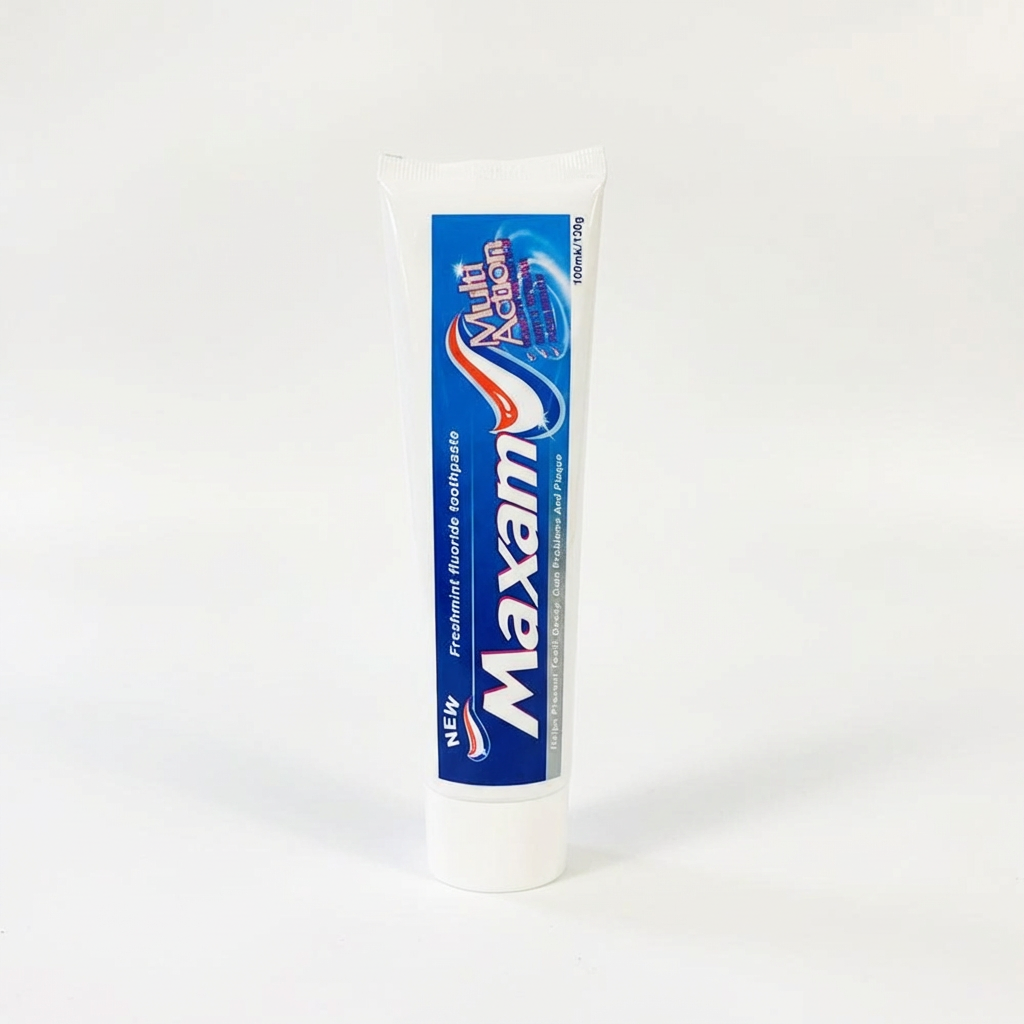
Selecting a high-quality natural toothpaste requires understanding what distinguishes premium formulations from basic alternatives. Natural toothpaste quality depends on multiple interconnected factors, including ingredient sourcing, manufacturing standards, clinical efficacy testing, and regulatory compliance. For consumers and dental professionals alike, recognizing these quality markers ensures that the natural toothpaste chosen genuinely delivers on its promises without compromising oral health outcomes.
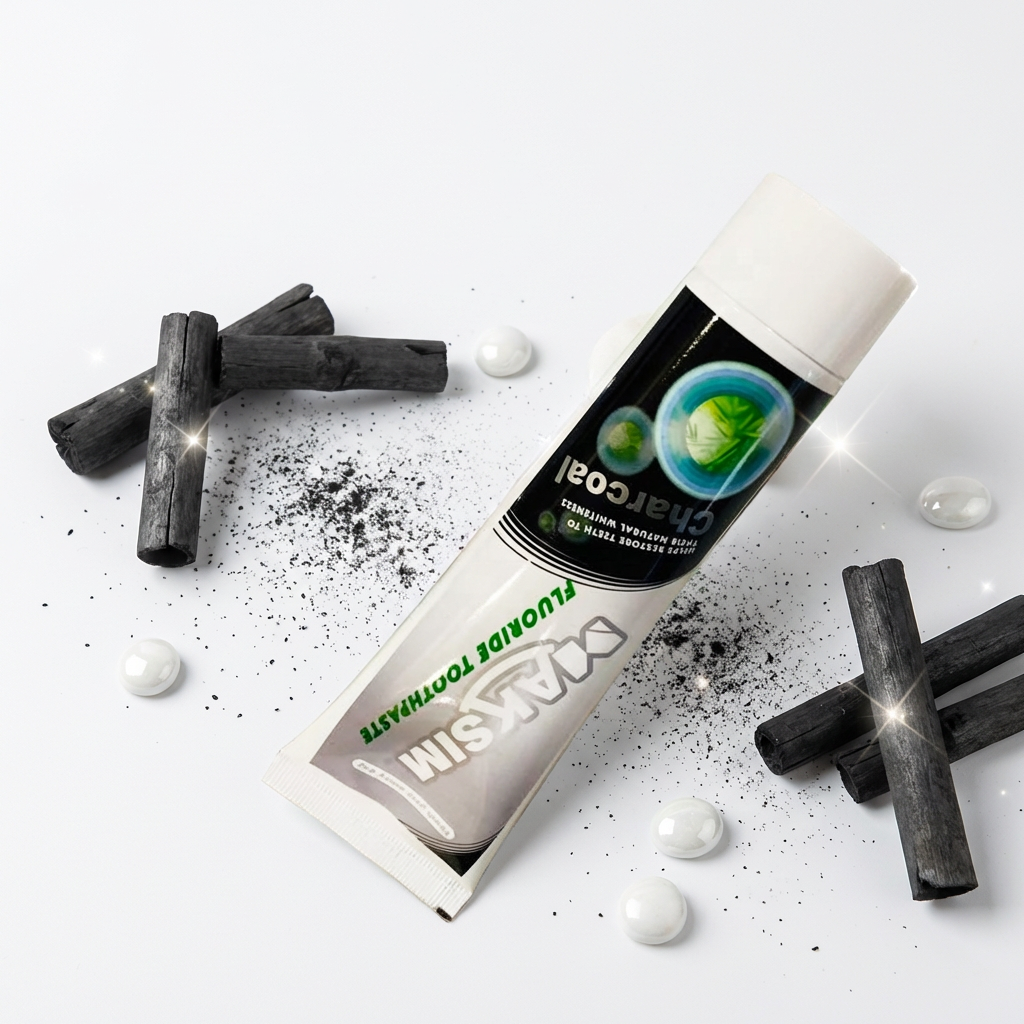
The market for natural toothpaste has expanded significantly, yet quality variation remains substantial. A truly effective natural toothpaste must balance safety, performance, and ingredient transparency. Understanding these quality determinants helps buyers make informed decisions and protects oral health from substandard formulations that prioritize marketing over actual efficacy.
The foundation of natural toothpaste quality lies in the selection and purity of active ingredients. Natural toothpaste should contain proven botanical extracts, essential oils, and mineral compounds that support dental health. High-quality natural toothpaste uses sustainably sourced ingredients like neem, charcoal, calcium carbonate, and herbal extracts rather than synthetic alternatives. The potency of these ingredients directly impacts how well the natural toothpaste performs against plaque, tartar, and bacterial growth.
Ingredient transparency represents a critical quality marker for natural toothpaste products. Premium natural toothpaste manufacturers list every component on packaging without hidden proprietary blends. Each ingredient in quality natural toothpaste should have documented sourcing information, cultivation methods, and third-party testing certificates. When evaluating natural toothpaste, consumers should verify that botanical ingredients maintain their bioactive compounds through proper extraction and processing techniques.
Natural toothpaste quality is equally defined by what it does not contain. Substandard natural toothpaste may still include synthetic detergents, artificial sweeteners, or chemical preservatives that undermine the 'natural' designation. High-quality natural toothpaste eliminates sodium lauryl sulfate, triclosan, artificial colors, and microplastics entirely. The formulation integrity of authentic natural toothpaste depends on using safe preservative systems based on vitamin E, rosemary extract, or other botanical alternatives.
Fluoride status represents another crucial quality consideration for natural toothpaste. Some consumers prefer fluoride-free natural toothpaste, while others expect it for cavity prevention. Quality natural toothpaste manufacturers clearly state fluoride presence and sourcing, whether from natural mineral sources or excluded entirely. The choice between fluoride and fluoride-free natural toothpaste should reflect clinical evidence and individual oral health needs, not marketing ambiguity.
Manufacturing excellence separates premium natural toothpaste from mediocre formulations. Quality natural toothpaste comes from facilities certified under GMP (Good Manufacturing Practice) standards, ensuring consistent batch quality and safety protocols. The production environment for natural toothpaste must maintain strict contamination controls, proper temperature conditions for botanical ingredients, and validated sterilization processes. Facilities producing natural toothpaste should undergo regular audits and maintain complete traceability for every ingredient lot.
Stability and shelf-life testing define whether natural toothpaste can maintain efficacy throughout its intended use period. High-quality natural toothpaste undergoes accelerated stability studies under various temperature and humidity conditions. This testing ensures that active ingredients in natural toothpaste remain potent and that the formulation resists separation, oxidation, or microbial growth. Manufacturers of premium natural toothpaste provide documented stability data, not just assumed shelf-life estimates.
Credible natural toothpaste quality requires third-party testing validation. Reputable natural toothpaste brands commission independent laboratories to verify ingredient purity, microbial safety, and absence of contaminants. Each batch of quality natural toothpaste should have test certificates confirming heavy metal absence, pesticide residue levels, and microbial counts. This rigorous testing framework distinguishes authentic natural toothpaste from products making unfounded purity claims.
Clinical performance testing represents another hallmark of superior natural toothpaste quality. Premium natural toothpaste undergoes in vitro and sometimes in vivo studies demonstrating efficacy against plaque, gingivitis, or tooth sensitivity. Quality natural toothpaste manufacturers publish peer-reviewed research or conduct validated trials showing how their formula performs. Without this evidence, claims about natural toothpaste effectiveness remain purely aspirational rather than substantiated.
Natural toothpaste quality standards vary globally, requiring manufacturers to navigate multiple regulatory frameworks. In many regions, natural toothpaste is classified as a cosmetic product subject to specific ingredient restrictions and safety requirements. Quality natural toothpaste meets or exceeds all applicable regulations in its intended markets, whether through FDA compliance in the United States, EU Cosmetics Regulation compliance, or equivalent standards elsewhere. This regulatory adherence ensures that natural toothpaste has been evaluated for safety before reaching consumers.
Ingredient compliance represents a fundamental quality requirement for natural toothpaste. Each component in quality natural toothpaste must appear on approved cosmetic ingredient lists for relevant markets. Premium natural toothpaste manufacturers understand restricted substances, banned ingredients, and claim limitations specific to their distribution regions. This knowledge prevents consumers from encountering natural toothpaste products formulated with ingredients later found non-compliant or problematic.
Recognized certifications provide credible quality markers for natural toothpaste consumers. Organic certifications from bodies like USDA or ECOCERT validate that natural toothpaste ingredients were cultivated without synthetic pesticides or prohibited substances. Cruelty-free certifications such as Leaping Bunny confirm that natural toothpaste was developed without animal testing. Natural toothpaste bearing such official seals demonstrates manufacturer commitment to transparent, verifiable quality standards beyond marketing claims.
Environmental and sustainability certifications increasingly influence natural toothpaste quality perception. Packaging sustainability, ingredient sourcing ethics, and carbon footprint transparency matter to conscious consumers. Premium natural toothpaste brands pursue certifications validating sustainable sourcing practices and eco-friendly packaging for their natural toothpaste products. These credentials indicate that quality natural toothpaste considers environmental impact alongside human health and performance.
Consumers should examine the ingredient list for transparency, research any unfamiliar components, and verify that natural toothpaste carries recognized certifications. Checking for GMP facility certification, third-party testing documentation, and published clinical studies demonstrates quality. Reading customer reviews from dental professionals and checking whether the natural toothpaste adheres to regulatory standards in your country provides additional assurance before committing to a purchase.
The percentage of active botanical ingredients directly influences natural toothpaste effectiveness. Quality natural toothpaste specifies the concentration levels of key actives like neem, aloe vera, or mint extract rather than using vague proprietary blends. Higher concentrations of proven actives typically mean better performance, but balance matters—excessive concentrations might irritate sensitive oral tissues. Understanding ingredient percentages helps consumers distinguish between premium natural toothpaste and formulations using minimal active ingredients with primarily water or fillers.
Red flags in natural toothpaste include vague ingredient descriptions, absence of testing information, lack of certifications, and unsubstantiated health claims. Natural toothpaste products listing 'natural flavor' or 'proprietary blend' without further detail suggest quality concerns. Extremely low pricing without explanation, lack of regulatory compliance statements, and absence of stability or clinical testing data indicate that the natural toothpaste prioritizes cost reduction over quality. Trust established natural toothpaste brands with transparent sourcing and documented standards.

Based in Shanghai with 30+ years of export experience, MAXAM is a premier oral care manufacturer specializing in efficacy-driven toothpaste for whitening, cavity protection, and sensitivity. Certified by GMPC, BRC, and HALAL.
Join our email list for tips and useful information.


