 EN
EN


Natural toothpaste has gained significant momentum in the oral care market as consumers increasingly seek alternatives to conventional products laden with synthetic chemicals. Understanding which ingredients make natural toothpaste effective is essential for anyone considering a switch to more holistic dental care. The effectiveness of natural toothpaste depends not on marketing claims alone, but on scientifically recognized components that deliver genuine cleaning power, protective benefits, and safety. When you choose natural toothpaste, you are making a conscious decision to align your oral hygiene routine with natural ingredients that have been validated through use and research.
The foundation of effective natural toothpaste lies in balancing abrasive cleaning agents with soothing botanical compounds. Natural toothpaste formulations combine minerals, plant extracts, essential oils, and other naturally derived substances to achieve the dual goals of mechanical cleaning and therapeutic benefits. Each ingredient category plays a distinct role in making natural toothpaste work effectively for different aspects of oral health, from plaque removal to gum support to breath freshening.
Natural toothpaste relies on gentle mineral abrasives to remove surface stains and plaque without damaging enamel. Silica, calcium carbonate, and bentonite clay are common polishing agents found in effective natural toothpaste formulations. These minerals have a lower relative dentin abrasivity compared to synthetic silica used in conventional toothpaste, making them safer for long-term use. Natural toothpaste manufacturers select these minerals because they provide adequate cleaning power while respecting tooth structure integrity. The particle size and density of these minerals determine how effectively natural toothpaste removes debris without causing micro-scratches that can weaken enamel over time.
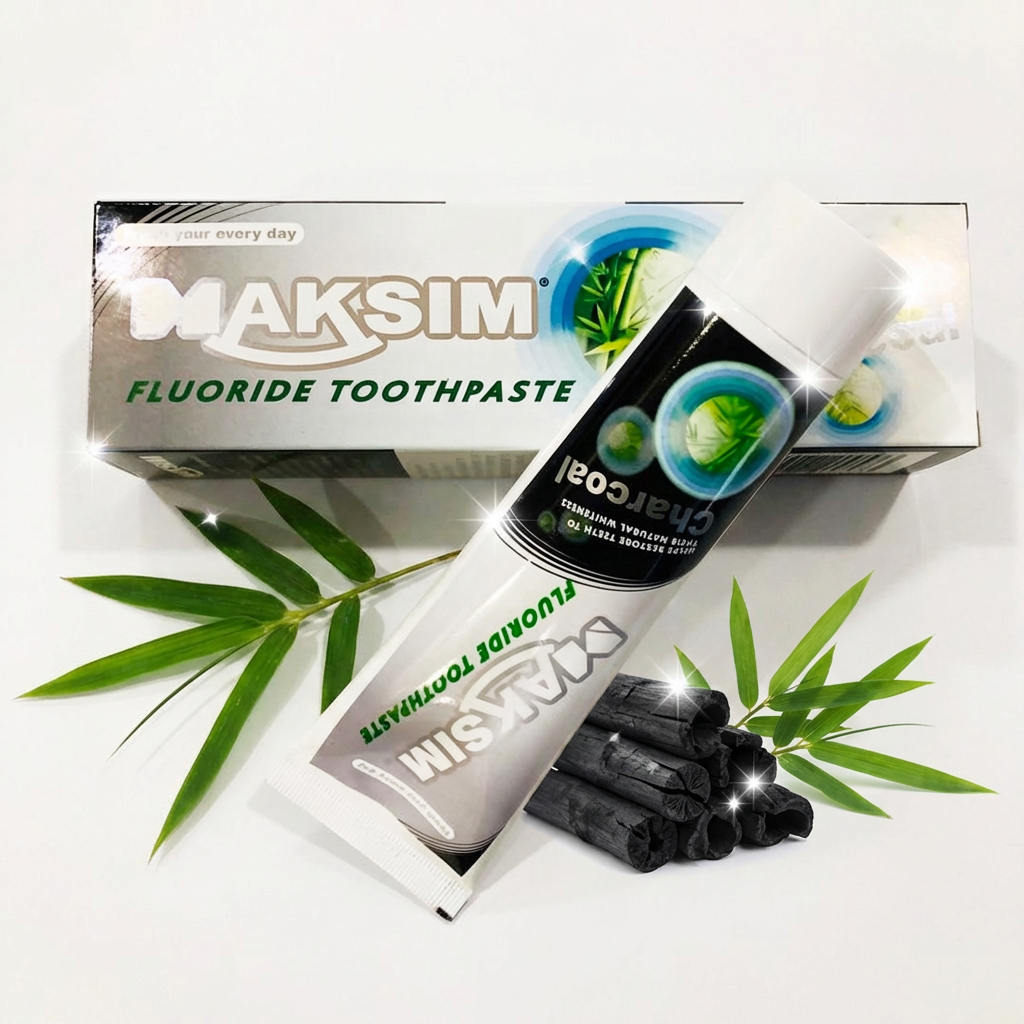
Some formulations of natural toothpaste incorporate finely ground plant materials such as bamboo powder, peppermint leaf, and sea salt. These botanical abrasives contribute to the polishing action while adding additional active compounds unique to natural toothpaste. The gentleness of plant-derived abrasives means that natural toothpaste suits sensitive teeth better than heavily mineralized alternatives. When you use natural toothpaste with plant-based polishing agents, you benefit from both mechanical cleaning and the therapeutic properties inherent to those plants, creating a more multifunctional product.
The antimicrobial power of natural toothpaste comes largely from essential oils and herbal compounds that inhibit bacterial growth in the oral cavity. Peppermint oil, tea tree oil, clove oil, and eucalyptus are well-known components that make natural toothpaste effective against harmful oral bacteria. Natural toothpaste containing these oils addresses multiple concerns simultaneously—freshening breath while reducing bacterial proliferation. Neem extract and sage have been traditionally used in oral care and remain popular in modern natural toothpaste formulations due to their proven gum-supporting properties. The concentration of these ingredients in natural toothpaste is carefully calibrated to provide benefit without causing irritation or overpowering flavor profiles.
Natural toothpaste effectiveness also depends on ingredients that support enamel strength and remineralization. Calcium hydroxide, hydroxyapatite (derived naturally from animal sources), and plant-based mineral sources contribute to making natural toothpaste protective against acid erosion and decay. These minerals work by providing the building blocks necessary for enamel repair and maintenance. Some natural toothpaste products include aloe vera, which soothes gum tissue while supporting the remineralization process. The inclusion of these fortifying ingredients ensures that natural toothpaste not only cleans the tooth surface but actively contributes to long-term dental health.
Natural toothpaste requires functional ingredients to achieve the right texture and consistency while remaining effective. Xanthan gum, guar gum, and cellulose are plant-derived thickeners that help natural toothpaste maintain its paste form without using synthetic polymers. These binders are essential for making natural toothpaste dispensable from tubes and consistent in application. Natural toothpaste formulations must balance texture with the need to keep all active ingredients properly suspended and available during brushing. The choice of thickening agent affects how well natural toothpaste clings to teeth during the brushing action, directly impacting cleaning efficiency.
Natural toothpaste flavoring comes from natural sweeteners like xylitol and stevia, combined with essential oils and botanical extracts. These ingredients make natural toothpaste pleasant to use while providing additional benefits—xylitol, for instance, has been shown to support oral health by inhibiting cavity-causing bacteria. Natural toothpaste without artificial sweeteners or synthetic flavors appeals to health-conscious consumers who want their daily oral care routine to align with their values. The flavor profile of natural toothpaste influences compliance, as people are more likely to brush thoroughly and consistently with a product they enjoy using. Selecting natural toothpaste with appealing natural flavoring ensures that switching from conventional products does not feel like a sacrifice.
Natural toothpaste achieves effectiveness through carefully selected ingredients that perform the same functions as synthetic components in conventional formulas. Mineral abrasives clean and polish, essential oils provide antibacterial action, and strengthening minerals support enamel health. Research increasingly supports that natural toothpaste formulations, when properly formulated with proven ingredients, deliver comparable cleaning and protective benefits to conventional products. The main difference is that natural toothpaste accomplishes these goals without chemical additives or synthetic compounds that some users wish to avoid.
Natural toothpaste that includes remineralizing minerals like hydroxyapatite and calcium compounds can support cavity prevention through strengthening enamel and reducing acid demineralization. Many natural toothpaste products do not contain fluoride, relying instead on these mineral-based approaches. Fluoride remains scientifically established as highly effective for cavity prevention, though some natural toothpaste brands now incorporate naturally derived fluoride options. Your choice between natural toothpaste with or without fluoride depends on your personal preferences and risk factors for tooth decay.
Not all natural toothpaste formulations are equally effective because ingredient quality, concentration, and overall formula balance vary significantly across brands. Natural toothpaste that includes proven active ingredients at therapeutic concentrations will outperform products that prioritize being 'natural' over functionality. When evaluating natural toothpaste options, look for specific ingredient listings and research the supporting evidence for those components. Effective natural toothpaste typically contains multiple complementary ingredients working synergistically rather than relying on a single botanical extract to carry the entire product.

Based in Shanghai with 30+ years of export experience, MAXAM is a premier oral care manufacturer specializing in efficacy-driven toothpaste for whitening, cavity protection, and sensitivity. Certified by GMPC, BRC, and HALAL.
Join our email list for tips and useful information.


