 EN
EN


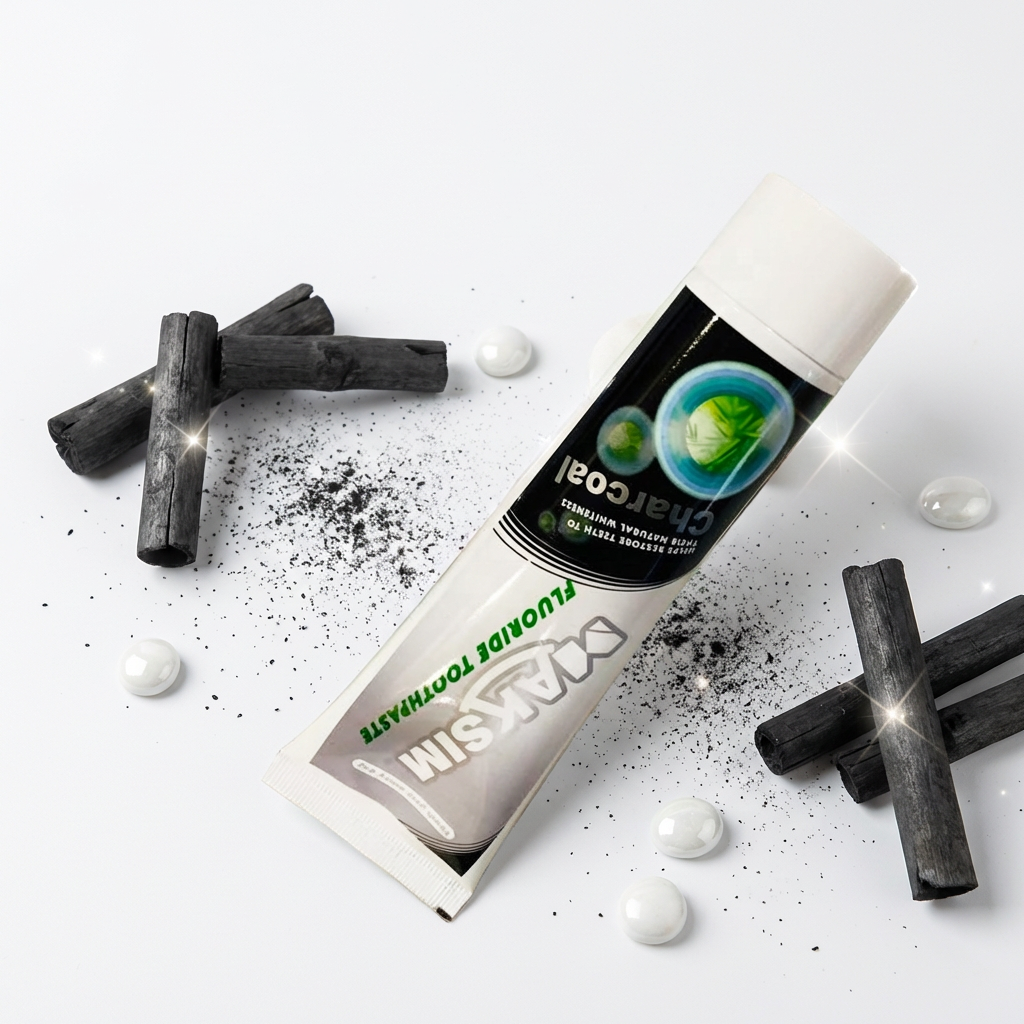
Making the transition to natural toothpaste is a significant decision for many people seeking healthier oral care options. Whether driven by health concerns, environmental awareness, or a desire to avoid synthetic chemicals, switching to natural toothpaste requires careful consideration of multiple factors. Understanding what makes natural toothpaste different and how it compares to conventional formulations will help you make an informed choice that aligns with your specific needs and expectations.
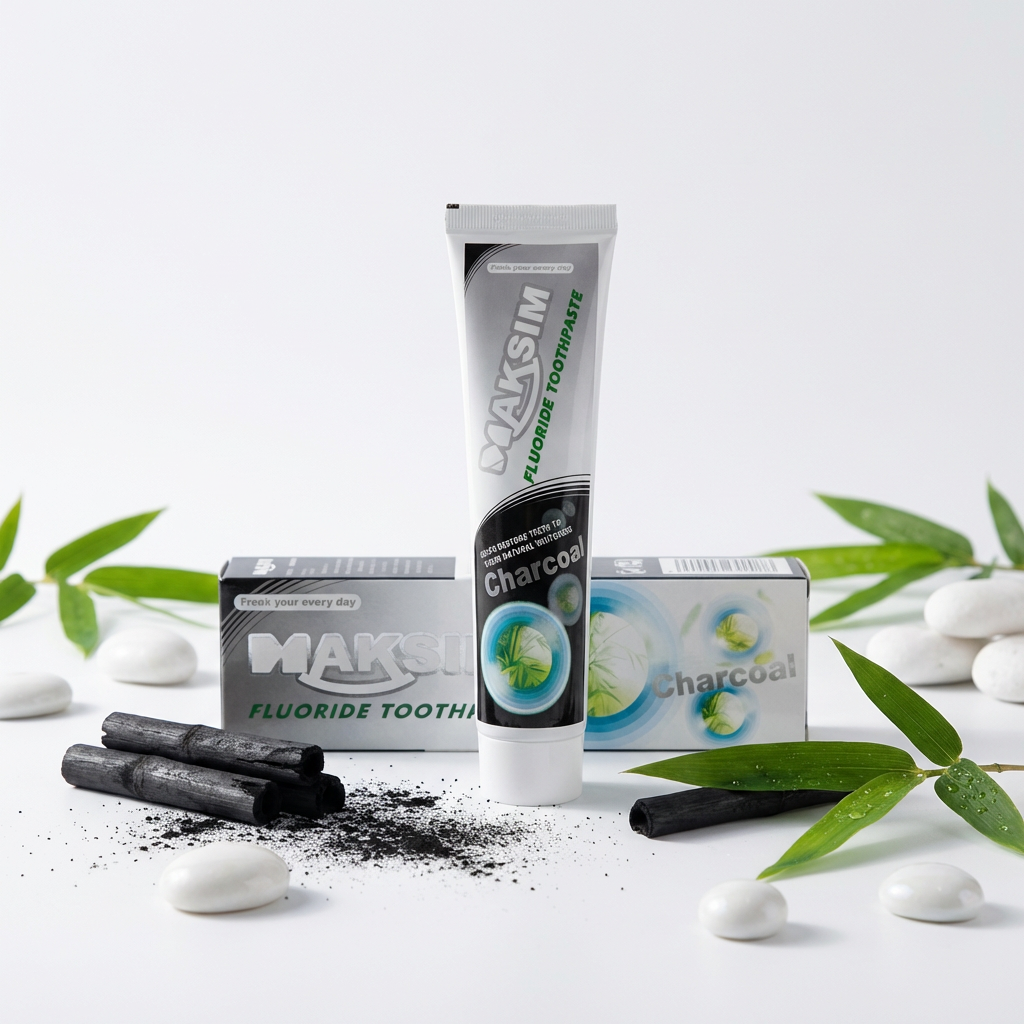
The decision to transition to natural toothpaste goes beyond simply picking a new product off the shelf. Natural toothpaste encompasses a range of formulations, each with varying ingredient profiles, effectiveness levels, and price points. Before making this switch, you should evaluate your current oral health status, identify which ingredients matter most to you, and understand how natural toothpaste performs in clinical applications versus conventional alternatives.
Natural toothpaste relies on plant-based and mineral ingredients rather than synthetic compounds. Common active ingredients in natural toothpaste include calcium carbonate for gentle abrasion, baking soda for whitening and neutralizing acids, and essential oils like peppermint and tea tree oil for antimicrobial properties. When switching to natural toothpaste, you should verify that it contains ingredients recognized by dental professionals as effective for cavity prevention and plaque removal, such as naturally derived fluoride alternatives or fluoride from mineral sources.
A primary reason many people choose natural toothpaste is to eliminate synthetic chemicals such as sodium lauryl sulfate, triclosan, and artificial sweeteners. Natural toothpaste formulations typically exclude these additives, relying instead on plant-based surfactants and natural sweeteners like xylitol or stevia. Before switching to natural toothpaste, review the ingredient list carefully to ensure it aligns with your health values and avoids substances you wish to eliminate from your daily routine.
One of the most important factors when switching to natural toothpaste is understanding fluoride content. Some natural toothpaste products contain fluoride derived from mineral sources, while others are completely fluoride-free. If you have a family history of cavities or are prone to dental decay, natural toothpaste with naturally sourced fluoride may be essential. If you prefer fluoride-free options, natural toothpaste without fluoride is available, though you may need additional preventive measures such as more frequent dental visits or supplemental fluoride treatments recommended by your dentist.
When transitioning to natural toothpaste, consider what clinical evidence says about effectiveness. Natural toothpaste products backed by third-party testing or dental association endorsements tend to perform more reliably than unproven alternatives. Look for natural toothpaste that has been evaluated for its ability to reduce plaque, prevent cavities, and combat gingivitis. User reviews and recommendations from your dentist can provide valuable insight into whether a specific natural toothpaste will meet your oral health needs during and after the transition period.
Natural toothpaste typically costs more per tube than conventional brands, which is an important consideration when switching. Premium ingredients, smaller production volumes, and third-party certifications contribute to higher pricing. Before switching to natural toothpaste, evaluate whether the additional expense fits your budget and whether you value the perceived health and environmental benefits enough to justify the cost difference. Some people find that buying in bulk or selecting mid-range natural toothpaste brands offers a better balance between affordability and quality.
Switching to natural toothpaste often involves an adjustment phase where your mouth adapts to new ingredients and formulations. Some users report that natural toothpaste feels less foamy or has a different texture compared to conventional options, which can take time to get used to. Additionally, if you are switching to natural toothpaste without fluoride, your teeth may require additional care strategies, such as more frequent flossing or professional cleanings. Understanding that the transition may take several weeks helps set realistic expectations and prevents premature abandonment of your new natural toothpaste routine.
Many people choose natural toothpaste because it aligns with broader lifestyle values such as sustainability and reduced environmental impact. Natural toothpaste often comes in recyclable or compostable packaging and avoids microbeads and other environmentally harmful ingredients. When switching to natural toothpaste, consider whether the brand's sustainability practices match your values. Some natural toothpaste brands also focus on ethical sourcing of plant ingredients and minimal processing, which may appeal to environmentally conscious consumers.
Before switching to natural toothpaste, consult with your dentist about which options are appropriate for your specific oral health needs. Your dentist can recommend natural toothpaste products that will be effective for your particular situation, whether you have sensitive teeth, gum disease, or a high cavity risk. Professional guidance is especially important when switching to natural toothpaste if you are pregnant, have young children whose teeth are still developing, or have existing dental conditions that require specific treatment approaches.
Some people find success by gradually switching to natural toothpaste, mixing their old and new products for a week or two before fully transitioning. This approach allows your mouth to adjust more gently to new ingredients. Alternatively, making a complete switch to natural toothpaste all at once works well for others. Neither method is inherently superior; the best approach depends on your sensitivity level and personal preferences. Monitor how your teeth and gums respond during the transition period when using natural toothpaste, and adjust your strategy if needed.
Natural toothpaste can be just as effective as conventional toothpaste when it contains proven active ingredients like fluoride, xylitol, or plant-derived antimicrobials. However, effectiveness varies between brands and formulations. The key is choosing natural toothpaste that has been tested for cavity prevention and plaque removal rather than selecting a brand solely based on its 'natural' label. Your dentist can help you find natural toothpaste that meets clinical standards for your specific oral health needs.
Yes, your teeth and gums may feel different initially when switching to natural toothpaste because the formulation, texture, and ingredients differ from conventional products. Many people notice less foam, a different taste, or a different mouthfeel. These differences are normal and typically resolve within one to three weeks as your mouth adjusts. If sensitivity, irritation, or other concerns persist beyond this adjustment period when using natural toothpaste, contact your dentist to rule out incompatibility or other issues.
Yes, natural toothpaste formulations for sensitive teeth are available and can be effective when they contain ingredients like potassium nitrate or hydroxyapatite, which reduce sensitivity. When switching to natural toothpaste for sensitive teeth, look for products specifically labeled for sensitivity and discuss options with your dentist. Avoid natural toothpaste with highly abrasive ingredients or strong essential oils, as these can worsen sensitivity. If sensitivity worsens after switching to natural toothpaste, contact your dental professional to ensure the product is appropriate for your condition.

Based in Shanghai with 30+ years of export experience, MAXAM is a premier oral care manufacturer specializing in efficacy-driven toothpaste for whitening, cavity protection, and sensitivity. Certified by GMPC, BRC, and HALAL.
Join our email list for tips and useful information.


