EN
EN


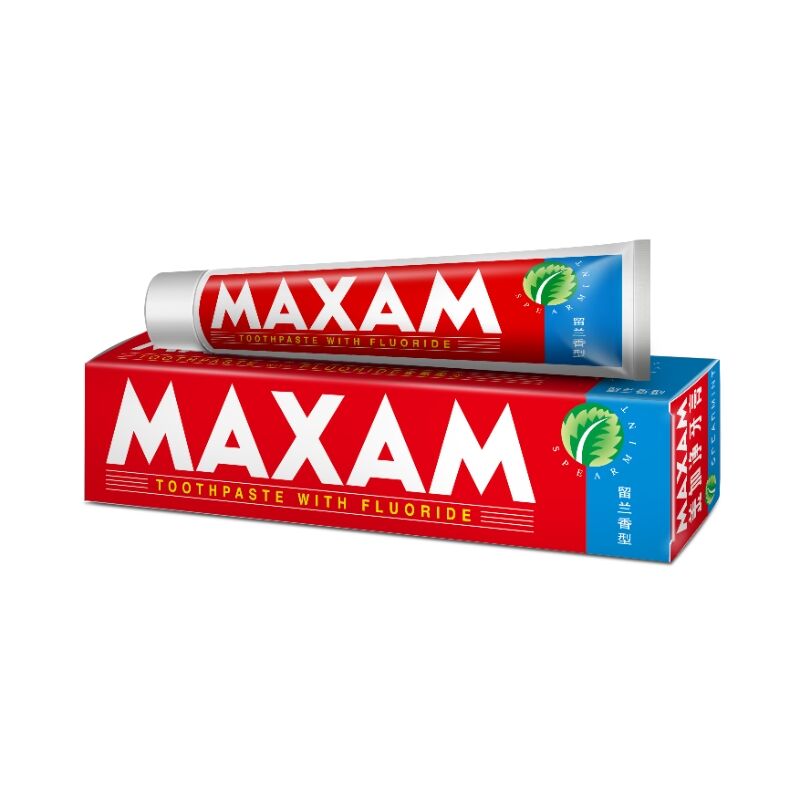
Selecting the right oral care product for institutional, hospitality, or bulk distribution purposes requires careful evaluation of multiple performance and compatibility factors. When determining whether maxam toothpaste meets specific operational requirements, decision-makers must consider formulation characteristics, regulatory compliance, packaging design, cost-effectiveness, and end-user acceptance metrics. Understanding these determining factors enables procurement professionals, facility managers, and distribution partners to make informed choices that align with organizational standards while delivering consistent oral hygiene outcomes across diverse user populations.
The suitability determination process goes beyond simple ingredient lists or marketing claims, requiring systematic assessment of how product attributes match intended applications. Whether procuring for hotel amenities programs, healthcare facilities, correctional institutions, military installations, or commercial distribution channels, the compatibility between maxam toothpaste characteristics and operational requirements directly impacts user satisfaction, compliance rates, inventory management efficiency, and overall program success. This comprehensive analysis examines the critical factors that influence suitability decisions and provides practical frameworks for evaluation.
The fluoride concentration in maxam toothpaste represents a primary determinant of its suitability for cavity prevention programs. Standard formulations typically contain sodium fluoride or sodium monofluorophosphate within therapeutic ranges that balance efficacy with safety across different age groups. Facilities serving predominantly adult populations may prioritize formulations with optimal fluoride levels for remineralization, while institutions with mixed demographics require careful verification that the fluoride content meets pediatric safety guidelines when children are present. The specific fluoride compound used also influences taste profiles and enamel interaction characteristics that affect user acceptance rates.
Beyond basic fluoride presence, the bioavailability of active ingredients determines actual protective benefits delivered during typical brushing durations. The formulation matrix of maxam toothpaste affects how quickly fluoride ions become available for enamel uptake and how effectively they remain in contact with tooth surfaces. Facilities implementing preventive dental health programs should evaluate whether the product's fluoride delivery system aligns with expected usage patterns, particularly in environments where supervision varies or brushing time may be limited. Clinical testing data regarding fluoride uptake rates provides objective evidence for suitability assessment.
The abrasive components in maxam toothpaste directly determine its cleaning effectiveness while influencing long-term enamel preservation. Silica-based abrasives, calcium carbonate systems, or hydrated aluminum oxides each offer distinct cleaning profiles with varying degrees of surface interaction. Institutions serving populations with sensitive teeth, existing enamel erosion, or cosmetic dental work must verify that the Relative Dentin Abrasivity (RDA) value falls within appropriate ranges for their user demographic. Products with moderate abrasivity ratings typically offer the best balance between stain removal and enamel conservation for general institutional use.
The particle size distribution and hardness characteristics of abrasive systems impact both immediate cleaning sensation and cumulative wear patterns over extended use periods. Facilities with long-term resident populations should prioritize maxam toothpaste formulations that demonstrate low abrasion indices while maintaining acceptable plaque removal capabilities. Understanding how the abrasive system interacts with different dietary patterns, water quality conditions, and brushing techniques common in specific institutional settings helps predict actual performance outcomes and determines whether the product will support rather than compromise oral health objectives over time.
Surfactant selection fundamentally affects the foaming characteristics, taste perception, and cleaning efficiency of maxam toothpaste formulations. Sodium lauryl sulfate remains the most common surfactant due to its effective foaming and detergent properties, but sensitivity concerns have driven development of alternative systems using milder compounds. Facilities serving populations with oral tissue sensitivity, mucositis risk, or documented surfactant allergies must evaluate whether the specific surfactant system used in maxam toothpaste formulations poses compatibility concerns for their user base.
The concentration and type of surfactants also influence how effectively the product disperses throughout the oral cavity and removes debris from interdental spaces and gingival margins. Institutional settings where users may have compromised manual dexterity or reduced brushing effectiveness benefit from formulations with optimized surfactant systems that maximize cleaning with minimal mechanical action. Testing protocols should assess whether the foaming characteristics of maxam toothpaste meet user expectations within the facility's specific context, as foam perception directly correlates with satisfaction and compliance in many populations.
Procurement decisions for institutional settings require verification that maxam toothpaste manufacturing adheres to applicable regulatory frameworks governing oral care products. FDA registration status, Good Manufacturing Practice (GMP) compliance documentation, and facility inspection records provide essential assurance that production processes maintain consistent quality standards. Facilities with formal quality management systems or accreditation requirements must confirm that supplier documentation meets their audit standards and that batch-level traceability exists throughout the supply chain.
The regulatory classification of maxam toothpaste as a cosmetic or over-the-counter drug product affects labeling requirements, claims substantiation obligations, and reporting responsibilities. Institutions in healthcare, correctional, or military sectors often maintain specific requirements regarding product categorization and must verify that all claims made about maxam toothpaste align with approved indications. Understanding the regulatory status helps procurement teams ensure that selected products meet organizational compliance obligations while avoiding potential liability issues associated with unsubstantiated therapeutic claims.
Comprehensive ingredient transparency represents a critical suitability factor for facilities serving diverse populations with varying health conditions and sensitivities. The complete ingredient listing for maxam toothpaste should be readily accessible and formatted in compliance with naming conventions that allow cross-reference with institutional allergy databases or individual health records. Facilities managing residents with known sensitivities to specific preservatives, flavoring agents, or coloring compounds require detailed composition information beyond basic active ingredient declarations.
Institutions implementing latex-free environments or maintaining other specific material restrictions must verify that maxam toothpaste packaging and formulation components meet their facility standards. The presence or absence of common allergens such as mint derivatives, artificial sweeteners, or specific preservative classes influences whether the product can be deployed across entire populations or requires alternative options for sensitive individuals. Documentation regarding manufacturing facility practices related to cross-contamination prevention provides additional assurance for high-risk populations.
When maxam toothpaste formulations include antimicrobial agents or make claims regarding bacterial reduction, facilities must evaluate the clinical evidence supporting these assertions. Institutional settings focused on infection control, such as healthcare facilities or congregate living environments, require objective data demonstrating effectiveness against relevant oral pathogens. The distinction between general cleaning action and specific antimicrobial activity affects whether the product aligns with facility infection prevention protocols and justifies any premium pricing compared to basic formulations.
Testing methodologies used to establish antimicrobial claims should align with recognized standards such as those established by the American Dental Association or international equivalents. Facilities evaluating maxam toothpaste for specialized applications should review study designs, test populations, and durability of antimicrobial effects to determine whether claimed benefits translate to meaningful outcomes in their specific operational context. Understanding the mechanism of action for any antimicrobial components also helps predict potential interactions with other oral care products or medical treatments used within the facility.
The physical design of maxam toothpaste packaging directly impacts ease of use, waste reduction, and compatibility with institutional dispensing systems. Tube material selection affects product protection, shelf stability, and user ability to dispense contents completely without excessive effort. Facilities serving populations with arthritis, limited hand strength, or visual impairments benefit from packaging designs that facilitate single-handed operation and provide tactile feedback regarding remaining product quantity. Aluminum barrier tubes offer superior product protection but may present manipulation challenges compared to laminate constructions.
Cap design and closure mechanisms influence contamination risk and product integrity maintenance throughout the usage lifecycle. Flip-top caps provide convenient single-handed access but may remain open inadvertently, while screw caps offer better seal integrity at the cost of operational convenience. Institutional settings with hygiene protocols or shared-use scenarios should evaluate whether the closure system of maxam toothpaste minimizes cross-contamination risk and whether caps remain attached to prevent loss or choking hazards. The aperture size and shape also determine dispensing precision and product waste rates across different user skill levels.
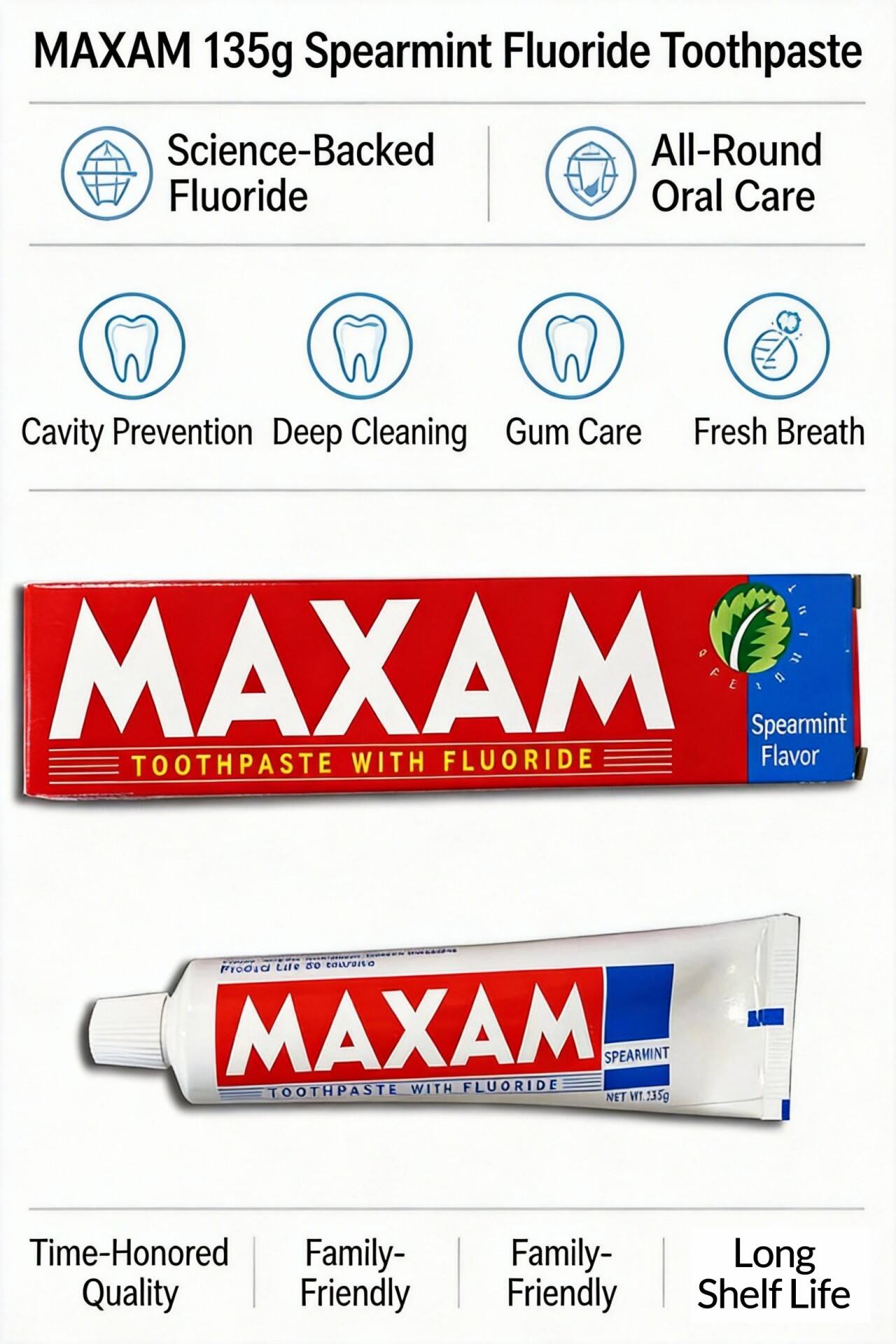
Selecting appropriate unit sizes for maxam toothpaste directly affects inventory carrying costs, storage space requirements, and replacement frequency across institutional applications. Individual amenity-sized tubes ranging from 20 to 40 grams suit hospitality applications where single-use presentation is desired, while larger 135-gram formats optimize cost-per-use for longer-term residential facilities. Procurement decisions must balance the efficiency of larger pack sizes against shelf-life constraints, storage capacity limitations, and the risk of product waste when residents depart before completing larger tubes.
Case pack configurations and pallet loading patterns influence logistics costs and warehouse efficiency. Facilities managing centralized supply chains should evaluate whether maxam toothpaste packaging dimensions and case quantities align with standard material handling equipment and existing storage systems. The ability to order in quantities that match consumption patterns without forcing excessive inventory levels or frequent emergency replenishment orders represents a key operational suitability factor. Integration with automated inventory management systems requires consistent product coding and case marking that supports barcode scanning and stock rotation protocols.
Label design quality and information presentation affect user comprehension of proper maxam toothpaste application methods and safety precautions. Facilities serving multilingual populations require verification that labeling includes appropriate language options or that universal symbols effectively communicate essential usage information. Font size, contrast ratios, and instruction clarity become particularly important in institutional settings where users may have visual impairments or limited literacy levels. The presence of clear expiration dating and batch coding supports quality assurance protocols and product recall responsiveness.
Institutional branding options and private label capabilities may influence suitability for organizations seeking to maintain consistent visual identity across facility amenities. Some applications require unbranded or discretely branded packaging that minimizes institutional appearance, while others benefit from clear product identification that supports inventory control and prevents unauthorized removal. Evaluating whether maxam toothpaste suppliers offer labeling customization within acceptable minimum order quantities helps determine whether the product can fully integrate into existing facility systems and visual standards.
Direct acquisition cost represents only one component of total economic suitability when evaluating maxam toothpaste for institutional deployment. Volume-based pricing tiers, contract term discounts, and freight cost allocation significantly impact actual per-unit expenses across different order quantities and delivery frequencies. Facilities must calculate break-even points between volume discounts and carrying cost burdens to identify optimal order quantities that minimize total landed cost while maintaining acceptable inventory turnover rates. Understanding minimum order requirements and lead times helps prevent situations where attractive unit pricing creates operational constraints or cash flow pressures.
Price stability and contract term options affect budget predictability and protect against market volatility in raw material costs. Long-term supply agreements for maxam toothpaste may offer price protection that justifies slight premiums over spot market purchases when budget certainty holds strategic value. Facilities should evaluate supplier willingness to structure pricing mechanisms that align with organizational fiscal cycles and provide transparency regarding factors that might trigger price adjustments. The existence of formal price escalation clauses tied to objective indices provides preferable certainty compared to discretionary pricing changes.
The effective cost-per-use for maxam toothpaste depends not only on acquisition price but also on the amount required to achieve satisfactory cleaning results and the rate at which users consume product. Formulations with high foaming efficiency and effective surfactant systems may enable users to achieve adequate cleaning with smaller quantities per brushing session, effectively reducing consumption rates compared to products requiring larger applications. Institutional trials measuring actual consumption patterns across representative user populations provide more accurate cost projections than theoretical calculations based on recommended usage amounts.
Tube design and dispensing characteristics influence waste rates and the completeness with which users can evacuate packaging. Products with efficient dispensing systems that minimize trapped residue and prevent over-application through controlled aperture design deliver better economic value even when unit acquisition costs are marginally higher. Facilities should calculate total cost of ownership by combining purchase price, freight allocation, storage costs, and consumption-based replacement frequency to determine true economic suitability of maxam toothpaste compared to alternative products across complete usage cycles.
Supplier capability to maintain consistent product availability without extended backorder periods or allocation constraints represents a critical but often overlooked suitability factor. Dependence on imported maxam toothpaste formulations introduces supply chain complexity including customs clearance variability, international shipping disruptions, and currency exchange rate impacts. Facilities requiring guaranteed product availability should evaluate supplier inventory policies, domestic distribution infrastructure, and alternative sourcing capabilities that mitigate single-point-of-failure risks.
The existence of qualified secondary suppliers or equivalent alternative products that meet facility specifications provides essential continuity insurance against primary supplier disruptions. Procurement strategies should assess whether transitioning to alternative products mid-program would create user acceptance issues or require expensive retraining and communication efforts. Understanding supplier financial stability, manufacturing capacity constraints, and dependency on sole-source raw materials helps predict and mitigate supply continuity risks that could compromise operational requirements or force acceptance of inferior substitute products during shortage periods.
Flavor acceptability represents perhaps the most subjective yet crucial determinant of maxam toothpaste suitability for specific user populations. Traditional mint flavors dominate institutional procurement due to broad familiarity, but intensity preferences vary significantly across age groups, cultural backgrounds, and individual sensitivities. Facilities serving diverse international populations should consider whether available flavor options accommodate cultural preferences or whether neutral flavor profiles might achieve broader acceptance than strong mint formulations. The persistence of flavor after brushing affects user satisfaction and influences willingness to comply with recommended brushing frequency.
Children and adolescents in youth facilities or family housing often reject strongly mentholated products, requiring evaluation of whether maxam toothpaste offers milder flavor variants suitable for younger users. Conversely, some adult populations associate strong mint sensation with thorough cleaning and perceive milder formulations as ineffective regardless of actual performance characteristics. Pilot testing with representative user samples provides valuable feedback regarding flavor acceptance that pure specification review cannot capture. Facilities should recognize that even technically superior products will fail to deliver intended health benefits if taste profiles drive non-compliance or minimal usage.
The rheological properties of maxam toothpaste formulations influence user perception of quality and cleaning effectiveness independent of actual performance metrics. Gel formulations provide smooth, uniform texture that some users prefer, while traditional paste compositions with visible abrasive particles create tactile feedback that others associate with thorough cleaning action. The viscosity and spreadability of the product affect how easily it disperses across brush bristles and throughout the oral cavity during brushing, influencing both actual cleaning coverage and user satisfaction with the brushing experience.
Foaming characteristics during brushing create sensory feedback that significantly impacts user perception of product performance. Excessive foam generation may be perceived positively as indication of thorough cleaning or negatively as interfering with proper technique and requiring excessive rinsing. Insufficient foam development often creates perception of product ineffectiveness even when actual cleaning occurs adequately. Facilities should evaluate whether the foam profile of maxam toothpaste matches user expectations within their specific demographic context and whether education can bridge gaps between sensory perception and actual performance when optimal formulations differ from traditional expectations.
The sensations and effects persisting after brushing completion significantly influence user satisfaction and compliance with regular oral care routines. Mouth freshness duration, the presence or absence of residual film sensation, and the timing of taste return after eating or drinking all contribute to overall product acceptance. Users in institutional settings may particularly value long-lasting freshness when access to brushing facilities is limited to specific times or when dietary schedules create extended periods between oral care opportunities. Formulations with breath-freshening components that provide extended odor control deliver additional value in these contexts.
Some maxam toothpaste formulations may leave temporary taste alteration that affects beverage or food perception immediately following brushing. This characteristic becomes particularly relevant in hospitality settings where guests may brush teeth shortly before breakfast service or in healthcare facilities where medication administration follows morning care routines. Understanding the duration and intensity of taste modification effects helps facilities determine whether to recommend specific timing protocols or whether alternative formulations better suit operational schedules and user lifestyle patterns within the institutional environment.
Hotels, resorts, and short-term accommodation providers evaluate maxam toothpaste suitability through distinct criteria focused on guest experience enhancement and brand impression management. Small-format tubes positioned as premium amenities must convey quality through packaging aesthetics, perceived formulation sophistication, and sensory experience that aligns with overall property positioning. Budget-conscious properties prioritize functional adequacy and cost efficiency while maintaining minimum quality thresholds that prevent negative guest feedback. The decision to provide oral care products as standard amenities versus on-request items influences appropriate quality positioning and unit size selection.
Guest retention and online review management considerations elevate the importance of sensory appeal and packaging presentation beyond pure functional performance. A memorable positive brushing experience using property-provided maxam toothpaste contributes to overall stay satisfaction and may influence review ratings and return visit likelihood. Conversely, product perceived as inferior quality creates negative impression disproportionate to the actual amenity value, potentially affecting overall property reputation. Hospitality procurement teams should conduct guest feedback analysis specifically regarding bathroom amenities to determine whether current oral care products meet brand standards or represent improvement opportunities.
Medical institutions and senior care communities assess maxam toothpaste suitability primarily through clinical appropriateness, safety profile, and compatibility with resident health conditions. Populations with xerostomia, chemotherapy side effects, or compromised immune function require formulations that minimize oral tissue irritation while providing adequate cleaning. Diabetes prevalence in many senior populations increases cavity risk and elevates the importance of effective fluoride delivery systems. Facilities must verify that selected products support therapeutic oral care protocols established by dental consultants and align with documented care plans for residents with specific oral health needs.
Cognitive impairment prevalence in memory care units affects product suitability through factors including ingestion risk if residents swallow product rather than expectorate, taste appeal that influences cooperation with assisted brushing, and packaging safety that prevents intentional or accidental consumption of excessive quantities. Formulations with reduced fluoride content or alternative active ingredients may be appropriate for populations at high swallowing risk. Staff efficiency considerations also influence suitability, as products requiring extended brushing duration or complex application protocols may prove impractical when care staff must assist multiple residents within constrained time windows.
Detention facilities and correctional institutions evaluate maxam toothpaste through security considerations, abuse potential assessment, and compliance with restrictive housing protocols. Formulations and packaging must demonstrate stability under non-climate-controlled storage that characterizes many cell environments and withstand potential tampering or misuse attempts. Tube construction should prevent use as weapon components or modification into contraband concealment devices. Some facilities require clear or translucent formulations that facilitate visual inspection during security procedures and prevent concealment of prohibited substances within opaque paste matrices.
Commissary distribution models require cost structures that balance institutional budget constraints with resident purchasing power and fairness considerations. Products positioned at commissary must demonstrate clear value proposition justifying any price premium over basic institutional issue items while remaining affordable for residents with limited financial resources. Packaging sizes should align with typical commissary ordering cycles and storage limitations within individual housing units. Understanding the specific security protocols, housing configurations, and population demographics within individual facilities enables precise suitability assessment for this specialized application context.
Fluoride concentration directly determines age-appropriate usage parameters for maxam toothpaste deployment. Standard adult formulations typically contain 1000-1500 ppm fluoride, which provides optimal cavity protection for users over six years old who have developed reliable expectoration reflexes. Facilities serving exclusively adult populations can prioritize maximum therapeutic fluoride levels without restriction. However, institutions with mixed-age populations including young children require verification that fluoride content aligns with pediatric dental association guidelines, which generally recommend reduced concentrations or supervised usage for children under six to minimize ingestion risk. Facilities unable to implement age-segregated product distribution should select formulations with fluoride levels safe for the youngest users present, potentially sacrificing some therapeutic benefit for older residents to ensure universal safety. Alternatively, maintaining separate product inventories with clearly differentiated packaging allows optimization for each age demographic while preventing inappropriate usage through clear labeling and controlled distribution protocols.
Comprehensive suitability assessment requires facilities to obtain and review multiple categories of regulatory and quality documentation from maxam toothpaste suppliers. Essential documents include FDA establishment registration confirmation and product listing information demonstrating compliance with applicable federal regulations governing oral care product manufacturing and marketing. Good Manufacturing Practice certification or audit reports verify that production facilities maintain quality systems meeting industry standards. Complete ingredient disclosure documentation using INCI nomenclature enables cross-reference with facility allergy databases and formulary restrictions. Safety Data Sheets provide handling and disposal guidance required for facility environmental health and safety programs. Batch-specific Certificates of Analysis demonstrate that supplied product meets established specifications for active ingredient content, microbiological purity, and physical properties. Facilities with formal supplier quality management programs should also request manufacturing facility inspection reports, product stability testing data, and recall history documentation. Organizations subject to Joint Commission, state licensing, or other external accreditation should verify that supplier documentation formats meet specific auditor expectations to prevent deficiency citations during compliance reviews.
Modern oral care product development increasingly addresses diverse dietary philosophies and lifestyle choices, requiring facilities to verify whether maxam toothpaste formulations align with user population characteristics. Vegetarian and vegan residents require confirmation that formulations contain no animal-derived ingredients such as glycerin from animal sources or carmine coloring. Kosher or halal certification may be essential for facilities serving populations with religious dietary observances, necessitating verification that ingredients, processing equipment, and manufacturing practices meet appropriate standards. Users avoiding artificial ingredients prefer formulations using only naturally-derived flavoring agents, colors, and preservatives, requiring detailed ingredient sourcing information beyond basic chemical names. Facilities serving health-conscious populations may face requests for products free from sodium lauryl sulfate, artificial sweeteners, or synthetic dyes. Understanding the specific dietary restrictions and lifestyle preferences prevalent within target user populations enables procurement teams to request detailed formulation information and identify whether standard maxam toothpaste variants meet community needs or whether custom formulation discussions with suppliers might be necessary for optimal population fit.
Structured pilot testing programs provide objective evidence regarding actual user acceptance and operational compatibility before committing to large-scale procurement of maxam toothpaste. Effective pilots begin with representative sample selection encompassing the demographic diversity, health status variation, and usage context range present in the full target population. Pilot duration should extend sufficiently to assess product performance across complete usage cycles, typically 30-90 days depending on facility type and user turnover rates. Facilities should establish clear evaluation metrics before pilot initiation, including quantitative measures such as consumption rates, complaint frequency, and inventory management efficiency, alongside qualitative feedback gathered through structured surveys or focus group discussions. Comparison protocols using current incumbent products or alternative candidates in parallel deployment enable relative performance assessment rather than absolute judgments. Documentation of operational challenges including dispensing issues, packaging failures, or storage complications provides essential information for supplier discussions and contract negotiation. Pilot programs should specifically test maxam toothpaste performance under actual facility conditions including typical storage environments, user handling patterns, and integration with existing supply chain processes rather than idealized controlled conditions that may not reflect operational reality.

Based in Shanghai with 30+ years of export experience, MAXAM is a premier oral care manufacturer specializing in efficacy-driven toothpaste for whitening, cavity protection, and sensitivity. Certified by GMPC, BRC, and HALAL.
Join our email list for tips and useful information.