EN
EN


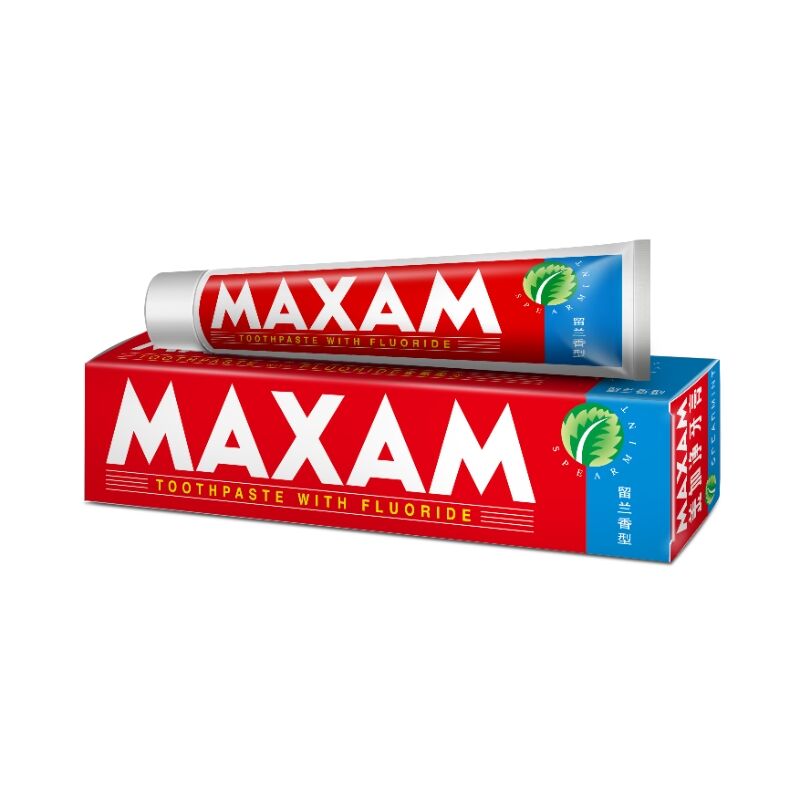
Maintaining optimal oral hygiene requires more than just selecting the right dental care product—it demands understanding the proper frequency and application methods to maximize benefits while protecting tooth enamel and gum health. When it comes to maxam toothpaste, a specialized dental care solution designed for comprehensive oral protection, the question of daily usage frequency becomes particularly important for users seeking to balance effectiveness with safety. This article provides evidence-based guidance on how often you should incorporate maxam toothpaste into your daily routine, examining the factors that influence optimal usage patterns and helping you develop a brushing schedule that aligns with both dental health principles and the specific formulation characteristics of this product.
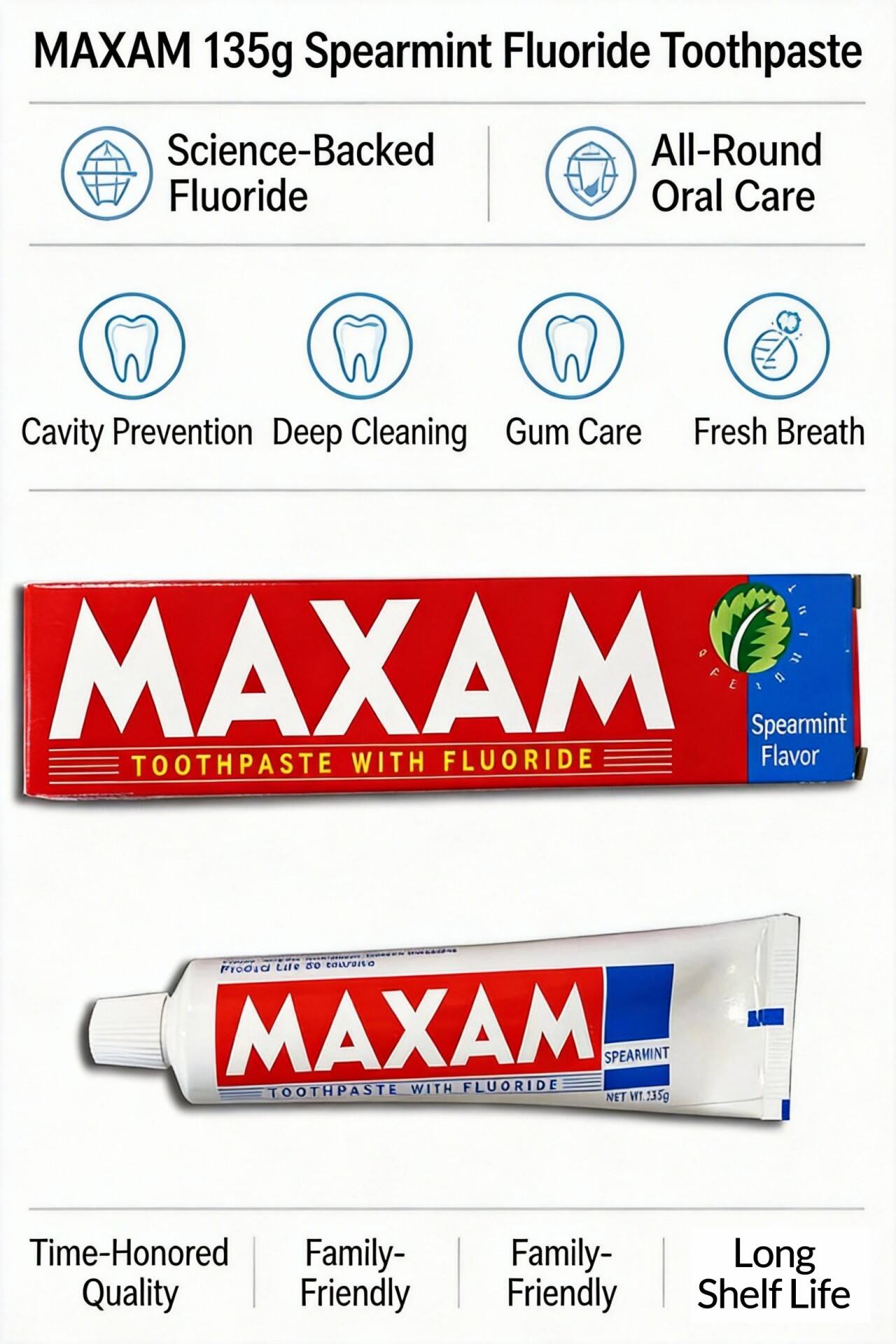
The standard recommendation from dental professionals worldwide establishes twice-daily brushing as the foundation for oral health maintenance, and this guideline applies directly to maxam toothpaste usage. However, the specific formulation properties, active ingredient concentrations, and intended therapeutic applications of maxam toothpaste introduce nuanced considerations that can refine this baseline recommendation for different user profiles and oral health conditions. Understanding these factors enables users to customize their application frequency to achieve optimal cleaning efficacy, maintain fresh breath throughout the day, and address specific dental concerns without risking over-application that might lead to enamel wear or gum irritation.
The universally accepted foundation for oral hygiene centers on brushing teeth twice daily, and this principle applies directly to maxam toothpaste application. Dental health organizations worldwide, including the American Dental Association and international counterparts, consistently recommend brushing in the morning and before bedtime as the minimum requirement for maintaining healthy teeth and gums. When using maxam toothpaste, adhering to this twice-daily schedule provides sufficient exposure to the product's active ingredients to combat plaque formation, neutralize bacterial activity, and protect enamel surfaces throughout the day and night cycles.
Morning application of maxam toothpaste serves multiple critical functions beyond basic cleaning. After hours of reduced saliva production during sleep, the oral environment becomes more acidic and bacteria proliferate more readily, creating conditions that require thorough cleansing. Using maxam toothpaste as part of your morning routine removes overnight bacterial accumulation, freshens breath for daytime social and professional interactions, and establishes a protective barrier that helps defend against food acids and sugars encountered throughout the day. This morning application should occur after breakfast or at least thirty minutes before eating to avoid brushing immediately after consuming acidic foods or beverages that temporarily soften enamel.
The evening application of maxam toothpaste holds equal if not greater importance in the daily oral care regimen. Brushing before bedtime removes food particles, plaque, and bacterial biofilms accumulated throughout the day, preventing these substances from remaining in contact with tooth surfaces during the prolonged overnight period when saliva flow decreases significantly. Since saliva serves as the mouth's natural defense mechanism against acid attacks and bacterial growth, its reduced presence during sleep makes thorough evening cleaning with maxam toothpaste essential. This nighttime application allows the product's protective and remineralizing ingredients to work undisturbed for extended hours, maximizing their therapeutic benefit when teeth are most vulnerable to decay processes.
The spacing between maxam toothpaste applications throughout the day significantly impacts both product effectiveness and oral tissue health. Ideally, the two daily brushing sessions should be separated by approximately twelve hours, creating a morning and evening routine that provides consistent protection throughout the entire twenty-four-hour cycle. This spacing allows the active ingredients in maxam toothpaste to maintain their protective effects during waking hours when eating and drinking occur, while also ensuring overnight protection when natural defense mechanisms like saliva production diminish. Consistent timing helps establish habitual patterns that improve compliance and ensure no application is forgotten or delayed.
While twice-daily usage represents the standard recommendation for maxam toothpaste, the timing relative to meals deserves careful consideration to optimize effectiveness and prevent enamel damage. Brushing immediately after consuming acidic foods or beverages—including citrus fruits, sodas, wine, or sports drinks—can actually harm tooth enamel because these substances temporarily soften the enamel surface. When you brush softened enamel, the mechanical action can accelerate wear. Therefore, when using maxam toothpaste after meals, waiting at least thirty minutes allows saliva to begin neutralizing acids and rehardening enamel surfaces before applying the brushing action. Alternatively, rinsing with water immediately after eating and then brushing with maxam toothpaste after the appropriate waiting period provides optimal protection.
For individuals who maintain particularly diligent oral hygiene practices or have specific dental recommendations, the question of midday application may arise. While maxam toothpaste can safely be used more than twice daily in most cases, adding a third midday application should be approached thoughtfully. If you choose to brush after lunch with maxam toothpaste, ensure you're using proper technique with appropriate pressure to avoid excessive abrasion from increased brushing frequency. Most dental professionals suggest that if a midday cleaning is desired, a simple water rinse or use of sugar-free gum may suffice unless specific oral health conditions warrant additional maxam toothpaste application as directed by your dentist.
Certain oral health conditions may warrant adjustments to the standard twice-daily maxam toothpaste usage pattern, either increasing or modifying application frequency based on specific therapeutic needs. Individuals experiencing active gum disease, persistent bad breath, or high cavity risk may receive professional recommendations to use maxam toothpaste more frequently than the standard twice-daily schedule. In these situations, the enhanced cleaning and protective properties of maxam toothpaste can be leveraged more intensively to address acute problems, though such increased usage should always follow professional dental guidance to ensure the approach aligns with comprehensive treatment plans and doesn't inadvertently cause tissue irritation through over-brushing.
People with orthodontic appliances, dental implants, or other restorative dental work may need to adjust their maxam toothpaste usage patterns to accommodate the additional cleaning challenges these devices present. Braces, permanent retainers, and implant-supported restorations create additional surfaces where food particles and plaque can accumulate, potentially requiring more frequent or longer brushing sessions with maxam toothpaste to maintain proper hygiene. However, frequency increases should focus on thoroughness and technique rather than simply adding more brushing sessions, as over-brushing can damage both natural tooth structure and dental work. Using maxam toothpaste with proper interdental cleaning tools and specialized brushes often proves more effective than simply increasing brushing frequency.
Individuals experiencing tooth sensitivity represent another category where maxam toothpaste usage frequency may require modification. If maxam toothpaste contains ingredients specifically formulated to address sensitivity, consistent twice-daily use typically provides optimal desensitizing benefits as these ingredients require regular application to build protective layers over exposed dentin tubules. However, if sensitivity persists or worsens despite regular maxam toothpaste use, this signals the need for professional evaluation rather than increased application frequency, as underlying issues like enamel erosion, gum recession, or cracked teeth may require targeted treatment beyond adjusting toothpaste usage patterns.
Dietary habits significantly influence optimal maxam toothpaste usage frequency, particularly for individuals who consume foods and beverages that pose elevated risks to dental health. People who regularly consume sugary snacks, acidic beverages, or frequent small meals throughout the day face increased plaque formation and acid exposure that could theoretically benefit from more frequent cleaning. However, rather than dramatically increasing maxam toothpaste application frequency, dental professionals typically recommend maintaining the twice-daily brushing schedule while implementing complementary strategies like water rinsing after snacks and reducing consumption frequency of problematic foods. This approach protects teeth without risking the enamel wear that can result from excessive brushing.
Tobacco users, whether smoking or using smokeless tobacco products, face unique oral health challenges that might seem to justify increased maxam toothpaste usage. While tobacco use does increase risks for gum disease, tooth staining, and oral cancer, the solution involves smoking cessation support rather than simply increasing brushing frequency with maxam toothpaste. Standard twice-daily usage remains appropriate, though tobacco users should pay particular attention to thorough cleaning technique and ensure each brushing session with maxam toothpaste lasts the full two minutes to adequately address the residue and bacterial environment these products create. Additional professional cleanings and oral cancer screenings become more important than modifying home toothpaste usage frequency.
Athletes and individuals who exercise intensely may wonder whether increased physical activity necessitates more frequent maxam toothpaste application. During vigorous exercise, mouth breathing often leads to dry mouth conditions that reduce saliva's protective effects, while sports drinks consumed during workouts introduce sugars and acids that threaten dental health. Despite these factors, the standard twice-daily maxam toothpaste schedule remains appropriate for most athletes. The key lies in timing brushing sessions appropriately around workouts—using maxam toothpaste before exercise helps establish protective coverage, while waiting thirty minutes after consuming sports drinks before brushing prevents enamel damage. Rinsing with water during and immediately after exercise provides additional protection without requiring increased maxam toothpaste frequency.
Age significantly influences optimal maxam toothpaste usage patterns, with different life stages presenting unique oral care requirements. Children who are old enough to use maxam toothpaste should follow the same twice-daily schedule recommended for adults, though supervision remains essential to ensure proper technique and appropriate product amount. Young children tend to use excessive toothpaste amounts and may not have developed the motor skills for thorough cleaning, so parental involvement ensures that maxam toothpaste is used effectively twice daily without waste or inadvertent swallowing. As children mature into adolescence, maintaining consistent twice-daily maxam toothpaste usage becomes crucial during years when dietary habits often deteriorate and orthodontic treatment may be ongoing.
Adults in middle age typically maintain the standard twice-daily maxam toothpaste schedule, though this life stage often brings increased awareness of gum recession, tooth sensitivity, and early signs of periodontal disease. Rather than increasing usage frequency, adults should focus on technique refinement when using maxam toothpaste, ensuring that each application includes proper gum line cleaning and reaches all tooth surfaces including difficult posterior areas. This age group benefits most from consistency and thoroughness rather than frequency increases, as the cumulative effects of decades of oral care habits become increasingly evident and prevention of further deterioration takes priority over aggressive intervention.
Older adults face distinctive oral health challenges that might seem to warrant modified maxam toothpaste usage, including dry mouth from medications, gum recession exposing root surfaces, and presence of dental work requiring special attention. However, the solution typically involves maintaining the twice-daily maxam toothpaste schedule while adapting technique rather than increasing frequency. Seniors experiencing dry mouth should focus on thorough but gentle cleaning with maxam toothpaste to avoid irritating already vulnerable tissues, potentially supplementing with saliva substitutes and fluoride rinses rather than increasing brushing frequency. Those with extensive dental work should continue twice-daily maxam toothpaste application while incorporating specialized cleaning tools for bridges, implants, and partial dentures that require different maintenance approaches than natural teeth.
The amount of maxam toothpaste used during each application directly affects both product effectiveness and cost efficiency, with dental professionals recommending a pea-sized amount for adults as the optimal quantity. Using excessive maxam toothpaste doesn't enhance cleaning effectiveness and can actually create excessive foam that makes it difficult to see tooth surfaces during brushing, potentially leading to missed areas. Conversely, using insufficient product may not provide adequate distribution of active ingredients across all tooth surfaces, reducing the protective and therapeutic benefits that maxam toothpaste is formulated to deliver. The pea-sized portion provides enough product to cover all teeth when proper brushing technique distributes it effectively throughout the mouth.
Duration represents another critical factor in maximizing the benefits of each maxam toothpaste application, with the dental community consistently recommending a minimum two-minute brushing session. This timeframe allows sufficient mechanical action to disrupt plaque biofilms while providing adequate contact time for maxam toothpaste ingredients to interact with tooth surfaces and deliver their intended benefits. Many people significantly underestimate two minutes when brushing without timing devices, often completing their routine in under one minute and thereby reducing effectiveness. Using a timer, electric toothbrush with built-in timing features, or even playing a two-minute song can help ensure each maxam toothpaste application receives the full duration needed for optimal results.
The brushing technique employed during each maxam toothpaste application matters as much as frequency, with proper angulation and motion patterns ensuring comprehensive cleaning without causing damage. Position the toothbrush at a forty-five-degree angle to the gum line, using gentle circular or short back-and-forth motions rather than aggressive horizontal scrubbing that can cause gum recession and enamel abrasion. Systematically work through all tooth surfaces—outer, inner, and chewing surfaces—dividing the mouth into quadrants and spending approximately thirty seconds on each section to ensure the full two-minute session covers all areas. When using maxam toothpaste with this proper technique twice daily, you maximize protective benefits while minimizing risks associated with improper brushing mechanics.
After completing each maxam toothpaste brushing session, the manner in which you rinse and conclude the process influences how long protective ingredients remain in contact with tooth surfaces. Traditional advice often emphasized thorough rinsing to remove all toothpaste residue, but contemporary dental guidance suggests a more moderate approach that allows some product to remain briefly on teeth. After brushing with maxam toothpaste, expelling excess foam and product without vigorous water rinsing allows beneficial ingredients like fluoride to continue interacting with enamel surfaces for several additional minutes, enhancing remineralization and protective effects. If you prefer rinsing, a single small sip of water swished briefly and expelled represents a compromise that removes excess product while leaving a beneficial residue.
The timing of eating and drinking after using maxam toothpaste affects product performance and should factor into your routine planning. Dental professionals generally recommend waiting at least thirty minutes after brushing with maxam toothpaste before consuming food or beverages other than water, allowing protective ingredients time to bond with tooth surfaces and deliver maximum benefits. This waiting period proves particularly important after evening brushing when maxam toothpaste ingredients can work undisturbed throughout the night. Morning routines may make this waiting period challenging, but even a brief interval between brushing with maxam toothpaste and breakfast consumption enhances effectiveness compared to eating immediately after brushing.
Proper toothbrush maintenance between maxam toothpaste applications ensures that each usage session begins with clean equipment that won't reintroduce bacteria to your mouth. After each use, thoroughly rinse your toothbrush under running water to remove maxam toothpaste residue and dislodged debris, then store it upright in an open-air environment where it can dry completely between uses. Avoid storing toothbrushes in closed containers that maintain moisture and promote bacterial growth, and replace brushes every three to four months or sooner if bristles become frayed. These maintenance practices ensure that each maxam toothpaste application occurs with hygienic equipment that supports rather than compromises oral health goals.
Several indicators suggest that your current maxam toothpaste usage frequency or technique may be insufficient to maintain optimal oral health, warranting evaluation and potential adjustment. Persistent bad breath that returns quickly after brushing represents a common sign that bacteria and food particles aren't being adequately removed, though this symptom can also indicate underlying issues like gum disease or digestive problems requiring professional evaluation. If you're consistently using maxam toothpaste twice daily yet experiencing ongoing halitosis, the solution may involve improved brushing technique, addition of tongue cleaning, or increased attention to interdental spaces rather than simply adding more brushing sessions. Professional assessment helps distinguish between inadequate home care and conditions requiring clinical intervention.
Visible plaque accumulation despite regular maxam toothpaste use signals that current cleaning practices aren't achieving adequate removal, though the root cause often relates to technique rather than frequency. Plaque appears as a soft, sticky film that accumulates along the gum line and between teeth, often most visible on lower front teeth behind the gum line. If plaque persists despite twice-daily maxam toothpaste application, focus first on improving brushing technique, ensuring the full two-minute duration, and incorporating interdental cleaning tools before increasing brushing frequency. Sometimes what appears to be inadequate frequency actually reflects rushed or incomplete brushing that misses critical areas where plaque preferentially accumulates.
Gum inflammation manifesting as redness, swelling, or bleeding during brushing may initially seem to suggest that maxam toothpaste usage needs to be increased, but this symptom actually requires careful professional evaluation. While inadequate cleaning can contribute to gingivitis, the solution involves improving thoroughness and technique rather than simply brushing more often with maxam toothpaste. In fact, increasing brushing frequency without addressing underlying technique issues or seeking professional cleaning may irritate inflamed tissues further without resolving the bacterial accumulation driving the inflammation. If you experience persistent gum bleeding despite regular maxam toothpaste use, schedule a dental evaluation to determine whether professional cleaning, improved interdental care, or other interventions are needed beyond adjusting home care frequency.
Recognizing signs of excessive brushing helps prevent damage that can occur even when using quality products like maxam toothpaste with protective formulations. Tooth sensitivity that develops or worsens despite regular maxam toothpaste use may indicate enamel wear from over-brushing, particularly if you're using firm pressure or a hard-bristled brush. This sensitivity typically manifests as sharp, brief pain when consuming hot, cold, sweet, or acidic substances, resulting from enamel thinning that exposes underlying dentin. If sensitivity emerges despite standard twice-daily maxam toothpaste usage, evaluate your brushing pressure and technique before considering frequency adjustments, as reducing force often resolves the issue more effectively than reducing frequency.
Gum recession that progressively exposes tooth roots represents another indicator that brushing practices may be too aggressive, even when using maxam toothpaste formulated for gentle cleaning. Recession appears as gradual exposure of tooth structure below the normal gum line, often creating triangular gaps between teeth at the gum line and making teeth appear longer. While gum disease causes recession through tissue destruction, mechanical trauma from over-brushing with excessive pressure damages tissues from the outside. If you notice progressive recession despite controlling gum disease risk factors, reassess your brushing pressure, frequency, and technique when using maxam toothpaste, as reducing mechanical trauma allows tissues to stabilize even if complete regeneration isn't possible.
Enamel wear patterns visible as flattened tooth surfaces or shiny, smooth areas where normal enamel texture disappears signal that mechanical forces may exceed protective limits despite using maxam toothpaste designed for enamel safety. Abrasion lesions typically appear as notches at the gum line where aggressive horizontal brushing concentrates forces, while more generalized wear affects chewing surfaces and edges. These patterns develop gradually over years of excessive mechanical action, making prevention through appropriate maxam toothpaste usage frequency and proper technique far more practical than attempting restoration after significant wear occurs. If dental examinations reveal these wear patterns, reducing brushing pressure takes priority over adjusting frequency, as even twice-daily use with excessive force causes more damage than more frequent gentle brushing.
Regular dental examinations provide the most reliable foundation for determining whether your current maxam toothpaste usage frequency appropriately matches your individual oral health needs. Dental professionals assess multiple factors during examinations including plaque accumulation patterns, gum tissue health, cavity risk indicators, and existing dental work conditions that collectively inform personalized recommendations. These assessments may reveal that standard twice-daily maxam toothpaste usage perfectly suits your needs, or they may identify specific circumstances warranting frequency modifications, technique adjustments, or complementary care strategies. Professional guidance proves particularly valuable because dentists identify early signs of problems before symptoms become apparent, allowing preventive adjustments rather than reactive interventions.
Individuals undergoing active dental treatment for conditions like periodontal disease, extensive restorative work, or oral surgery may receive temporarily modified recommendations for maxam toothpaste usage that differ from standard twice-daily guidelines. Post-surgical periods might require reduced frequency or modified technique to protect healing tissues, while intensive periodontal therapy might involve increased antimicrobial focus that influences toothpaste selection and application timing. These temporary modifications should follow specific professional instructions that account for treatment phase, healing progress, and individual response patterns, with plans to return to standard twice-daily maxam toothpaste usage once therapeutic goals are achieved and tissue health stabilizes.
Periodic reassessment of maxam toothpaste usage patterns ensures that your oral care routine evolves appropriately as circumstances change throughout life. Major life transitions including pregnancy, new medications that affect oral health, onset of systemic health conditions, or significant dietary changes all potentially warrant reevaluation of whether twice-daily maxam toothpaste application remains optimal or requires adjustment. Rather than independently modifying usage frequency based on internet research or anecdotal advice, consult dental professionals who can evaluate your complete health picture and provide evidence-based recommendations tailored to your specific situation. This collaborative approach balances standardized best practices with individualized customization that maximizes oral health outcomes while preventing both under-care and over-treatment risks.
While maxam toothpaste can generally be used safely three times daily, this increased frequency isn't necessary for most people even with frequent eating patterns. The standard twice-daily application provides adequate protection when combined with water rinsing after meals and proper interdental cleaning. If you choose to add a midday brushing session with maxam toothpaste, ensure you're using gentle pressure and proper technique to avoid enamel abrasion from increased mechanical action. For most individuals, maintaining thorough morning and evening sessions with maxam toothpaste while rinsing with water after midday meals offers better protection than adding a third brushing session that might be rushed or improperly executed.
Using maxam toothpaste only once daily falls short of dental care standards and significantly increases risks for plaque accumulation, cavity formation, and gum disease development compared to the recommended twice-daily schedule. While once-daily brushing with maxam toothpaste provides more benefit than no brushing at all, the single application leaves teeth unprotected for extended periods when bacterial activity and acid exposure threaten dental health. If time constraints or physical limitations currently restrict you to once-daily usage, prioritize the evening application of maxam toothpaste to ensure overnight protection when saliva production decreases, but work toward establishing a consistent twice-daily routine as soon as circumstances permit to achieve recommended oral health standards.
The optimal sequence involves brushing with maxam toothpaste before consuming morning coffee rather than after, as coffee's acidity temporarily softens enamel and brushing immediately afterward can accelerate enamel wear. If you prefer to brush after coffee, wait at least thirty minutes to allow saliva to neutralize acids and reharden enamel surfaces before applying the mechanical action of brushing with maxam toothpaste. This waiting period protects enamel from abrasion damage while still providing thorough cleaning. Alternatively, rinsing your mouth with water immediately after finishing coffee helps begin the neutralization process, though the thirty-minute waiting period before brushing with maxam toothpaste remains advisable for optimal enamel protection.
Extending brushing sessions beyond the standard two-minute duration doesn't significantly enhance maxam toothpaste effectiveness and may actually increase risks of enamel abrasion and gum tissue damage from prolonged mechanical action. The two-minute recommendation reflects the time needed to thoroughly clean all tooth surfaces when using proper technique, allowing adequate contact between maxam toothpaste ingredients and enamel while avoiding excessive mechanical wear. If you feel your teeth aren't adequately clean after two minutes with maxam toothpaste, the issue likely relates to technique rather than duration, suggesting the need to improve brushing angulation, motion patterns, or interdental cleaning rather than simply brushing longer. Focus on methodical, comprehensive coverage during the standard two-minute session rather than extending duration, as thoroughness matters more than length when using maxam toothpaste.

Based in Shanghai with 30+ years of export experience, MAXAM is a premier oral care manufacturer specializing in efficacy-driven toothpaste for whitening, cavity protection, and sensitivity. Certified by GMPC, BRC, and HALAL.
Join our email list for tips and useful information.