 EN


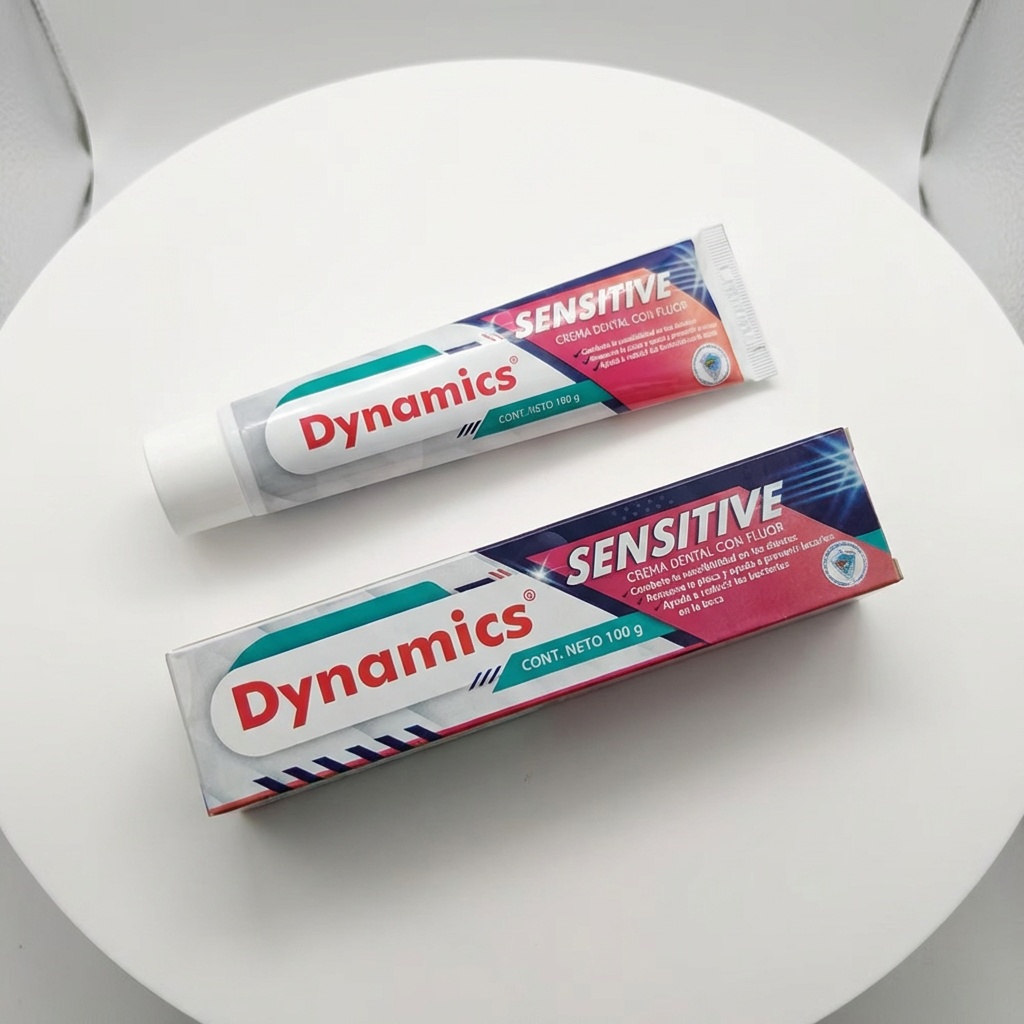
Tooth pain caused by sensitivity affects millions of people worldwide, creating discomfort during everyday activities like eating, drinking, and brushing. Sensitive toothpaste has emerged as one of the most accessible and effective solutions for managing this frustrating condition. Unlike regular toothpaste, sensitive toothpaste works through a combination of active ingredients specifically formulated to address the underlying causes of tooth sensitivity and provide rapid relief from pain.

Understanding how sensitive toothpaste helps with tooth pain requires knowledge of tooth structure and the mechanisms that trigger sensitivity. When the protective outer layers of your teeth become compromised, the inner dentin becomes exposed, allowing external stimuli to reach the nerve endings beneath. Sensitive toothpaste addresses this issue by creating a protective barrier and desensitizing nerve signals, transforming how your teeth respond to pain triggers.
Tooth sensitivity occurs when the dentin layer beneath your tooth's enamel becomes exposed. This exposure can result from enamel erosion, gum recession, aggressive brushing, acidic foods and beverages, or periodontal disease. When dentin is exposed, tiny tubules within it connect to the nerve pulp, creating a direct pathway for pain signals. Sensitive toothpaste addresses this by blocking these pathways and strengthening the protective layers of your teeth.
The pain associated with sensitive teeth is typically sharp and sudden, triggered by hot, cold, sweet, or acidic stimuli. This pain occurs because external stimuli can easily penetrate exposed dentin and stimulate nerve endings. Sensitive toothpaste helps with tooth pain by reducing this stimulation through both physical and chemical mechanisms that work together to provide comprehensive relief.
The dentin layer contains microscopic tubules that extend from the outer surface to the nerve pulp at the tooth's center. When these tubules are open and unblocked, stimuli can travel through them rapidly, triggering pain responses. Sensitive toothpaste works by occluding or blocking these tubules, preventing stimuli from reaching the nerve. This blockage is the primary mechanism through which sensitive toothpaste helps with tooth pain, offering both immediate relief and long-term protection.
The most common active ingredients in sensitive toothpaste include potassium nitrate and arginine compounds. Potassium nitrate works by blocking the transmission of pain signals from the tooth surface to the nerve endings. When sensitive toothpaste containing potassium nitrate is applied regularly, it penetrates the dentin and reduces nerve sensitivity over time. This ingredient is particularly effective because it addresses the nerve response itself, making sensitive toothpaste an excellent choice for managing chronic tooth pain.
Arginine, an amino acid, provides an alternative mechanism for how sensitive toothpaste helps with tooth pain. Arginine works by occluding dentin tubules more effectively than some other compounds, creating a durable barrier that prevents stimuli from reaching nerve endings. Many advanced formulations combine both potassium nitrate and arginine to maximize the pain relief benefits of sensitive toothpaste.
Beyond desensitizing agents, sensitive toothpaste contains protective compounds like fluoride and calcium phosphate derivatives that strengthen weakened enamel. Fluoride helps remineralize enamel, reducing the progression of erosion and decay that leads to sensitivity. Sensitive toothpaste with fluoride provides dual benefits: it addresses existing pain while preventing future sensitivity from developing. This preventive aspect is crucial for long-term management of tooth sensitivity.
Calcium and phosphate-based compounds in sensitive toothpaste help repair microscopic defects in enamel and create a protective layer over exposed dentin. By strengthening the tooth's protective structures, sensitive toothpaste helps with tooth pain by reducing the underlying vulnerability that causes sensitivity in the first place.
To maximize how sensitive toothpaste helps with tooth pain, consistent application over several weeks is essential. Most sensitive toothpaste brands require regular use for at least two to three weeks before significant pain relief becomes noticeable. Apply a pea-sized amount of sensitive toothpaste to your toothbrush and brush gently for two minutes, ensuring you cover all tooth surfaces, especially areas where gum recession has occurred. The prolonged contact time allows active ingredients to penetrate dentin tubules effectively.
For enhanced effectiveness, consider leaving sensitive toothpaste on your teeth for a few minutes after brushing before rinsing. Some users apply a small amount directly to sensitive areas and leave it overnight. This extended contact allows sensitive toothpaste to work more thoroughly, accelerating how it helps with tooth pain relief. Consistency is more important than intensity; daily use of sensitive toothpaste yields better results than occasional intensive treatment.
Using a soft-bristled toothbrush alongside sensitive toothpaste prevents additional enamel damage and gum recession. Avoid aggressive brushing techniques that can worsen sensitivity and counteract the benefits of sensitive toothpaste. Limit consumption of acidic foods and beverages such as citrus fruits, sodas, and wine, as acid erodes enamel and increases dentin exposure. When you do consume acidic substances, rinse your mouth with water and wait before brushing, allowing sensitive toothpaste to work without interference.
Consider using a fluoride mouthwash in addition to sensitive toothpaste for reinforced protection. This combination strengthens enamel and further blocks dentin tubules, amplifying how sensitive toothpaste helps with tooth pain. Additionally, professional fluoride treatments from your dentist can accelerate the pain relief process when combined with regular sensitive toothpaste use at home.
Most users experience noticeable pain relief from sensitive toothpaste within two to three weeks of consistent daily use. However, the exact timeline varies depending on the severity of sensitivity, the specific formulation of sensitive toothpaste, and individual factors like enamel thickness and dentin tubule exposure. Some people report relief within just a few days, while others may need four to six weeks. Patience and consistency are crucial for allowing sensitive toothpaste to work effectively.
Sensitive toothpaste provides excellent symptom management and can significantly reduce or eliminate pain in many cases, but it may not permanently cure sensitivity if the underlying cause persists. If sensitivity is caused by ongoing gum recession, enamel erosion, or active decay, simply using sensitive toothpaste without addressing these root issues may provide only temporary relief. However, sensitive toothpaste combined with proper oral hygiene and lifestyle modifications can produce long-lasting results and prevent sensitivity from worsening.
Yes, sensitive toothpaste is safe for daily use and is specifically designed for regular long-term application. The active ingredients in sensitive toothpaste, such as potassium nitrate and fluoride, have been extensively tested and approved by dental authorities for continuous use. However, if you experience any adverse reactions or if your sensitivity worsens despite using sensitive toothpaste, consult your dentist to rule out more serious underlying dental problems that may require professional treatment.

Based in Shanghai with 30+ years of export experience, MAXAM is a premier oral care manufacturer specializing in efficacy-driven toothpaste for whitening, cavity protection, and sensitivity. Certified by GMPC, BRC, and HALAL.
Join our email list for tips and useful information.


