 EN



Understanding the factors that influence toothpaste wholesale minimum orders is essential for retailers, distributors, and business buyers seeking to source oral care products efficiently. The toothpaste wholesale market operates under specific constraints that directly impact ordering decisions, inventory management, and profit margins. Minimum order quantities represent a critical negotiation point between suppliers and buyers, as they determine the feasibility and profitability of bulk purchases.
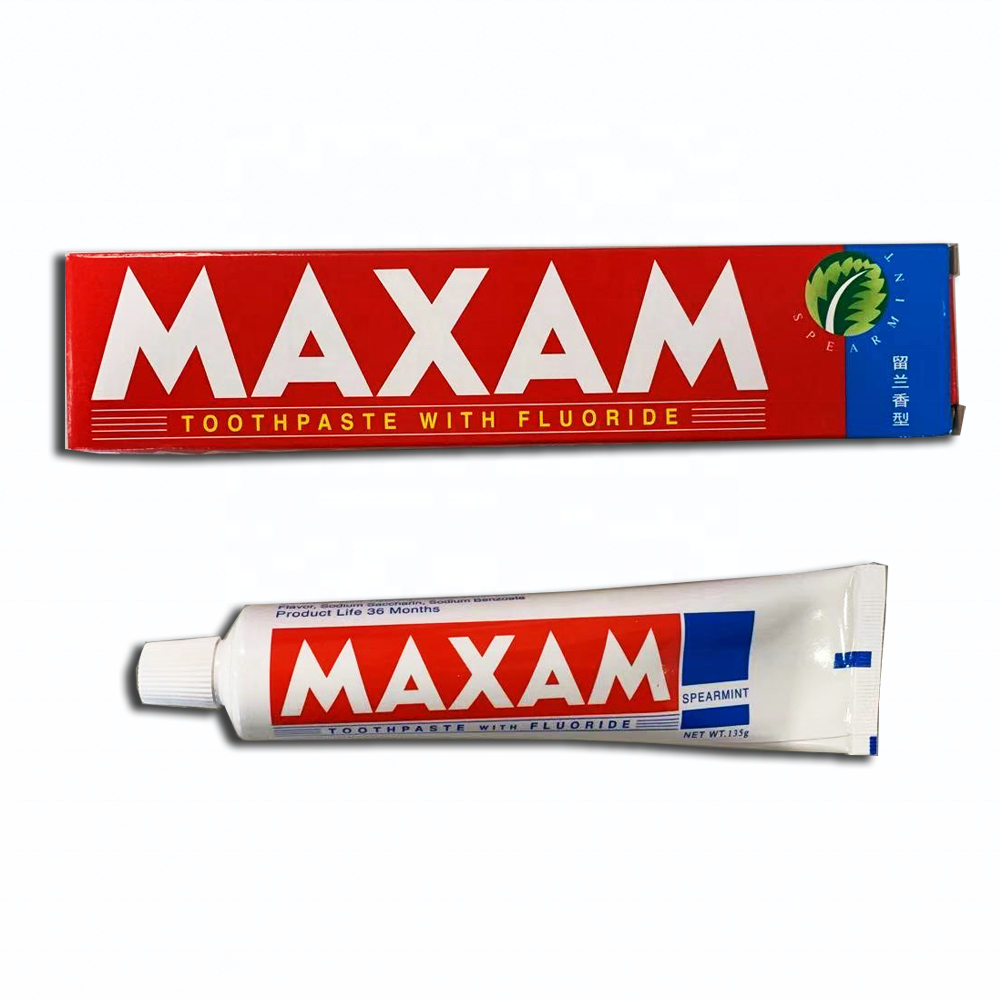
Several distinct factors shape the minimum order requirements in the toothpaste wholesale sector. These variables influence both supplier policies and buyer capabilities, making it crucial to evaluate each element when planning toothpaste wholesale procurement strategies. Recognizing these factors helps businesses negotiate better terms and optimize their ordering cycles.
Manufacturers establish toothpaste wholesale minimum orders based on their production line efficiency and setup costs. Setting up a manufacturing line to produce toothpaste involves configuring equipment, quality control protocols, and raw material procurement specific to each batch. The cost of these setup procedures is spread across the entire production run, making smaller batches economically unfavorable for suppliers. Toothpaste wholesale suppliers therefore require minimum order quantities that justify the production investment and ensure operational profitability.
Production capacity constraints also determine toothpaste wholesale minimum order policies. Facilities with limited equipment availability must allocate production slots strategically, and smaller orders disrupt scheduling efficiency. Suppliers prioritize orders that maximize equipment utilization, which means toothpaste wholesale minimums reflect the time required to produce sufficient quantities to justify a dedicated production window.
Custom formulation requests significantly impact toothpaste wholesale minimum order thresholds. When buyers request specific flavor profiles, active ingredients, or packaging modifications, suppliers face additional quality assurance testing and equipment cleaning between batches. These specialized toothpaste wholesale orders demand higher minimums to compensate for extended production timelines and quality verification procedures. Standard formulations, by contrast, allow for higher efficiency and potentially lower toothpaste wholesale minimums.
Regulatory compliance testing also influences toothpaste wholesale minimum order quantities. Each formulation must undergo safety, stability, and efficacy testing before commercial distribution, particularly for claims related to whitening, sensitivity relief, or cavity protection. Suppliers absorb these testing costs, which are amortized across the toothpaste wholesale order volume, creating justified minimum quantity requirements.
Toothpaste wholesale minimum orders fluctuate based on seasonal demand cycles within the retail and distribution channels. Peak seasons, such as back-to-school periods and holiday months, generate higher consumer demand, allowing suppliers to accept larger toothpaste wholesale orders without inventory risk. During slower seasons, suppliers may increase minimum order quantities to maintain adequate inventory turnover and reduce carrying costs. Understanding these seasonal patterns helps buyers time their toothpaste wholesale purchases strategically.
Market trends and consumer preferences also shape toothpaste wholesale ordering requirements. Growing demand for natural ingredients, whitening formulas, or eco-friendly packaging may prompt suppliers to consolidate toothpaste wholesale orders for trending products while reducing minimums for slower-moving variants. Buyers who align their toothpaste wholesale purchases with market momentum often access more favorable minimum order terms.
Suppliers use toothpaste wholesale minimum order policies as inventory management tools to optimize stock levels and reduce obsolescence risk. If a particular SKU shows declining consumer interest, suppliers may increase the toothpaste wholesale minimum to discourage orders they cannot move profitably. Conversely, overstocked items may have reduced toothpaste wholesale minimums to accelerate inventory clearance. This dynamic pricing strategy reflects supplier risk management priorities.
Storage and logistics infrastructure also determines toothpaste wholesale minimum order quantities. Suppliers with limited warehouse capacity may impose higher minimums to maximize revenue per transaction and minimize the frequency of order processing. Those with expansive distribution networks often support lower toothpaste wholesale minimums, spreading fixed logistics costs across a larger customer base.
The toothpaste wholesale pricing model directly correlates with minimum order requirements. Suppliers calculate unit costs based on bulk material procurement, manufacturing efficiency, and quality control expenses. Lower toothpaste wholesale minimum orders result in higher per-unit production and transaction costs, requiring suppliers to set higher prices to maintain acceptable margins. Buyers accepting larger toothpaste wholesale quantities benefit from economies of scale and reduced per-unit pricing.
Administrative and fulfillment costs significantly influence toothpaste wholesale minimum order policies. Processing, payment verification, quality documentation, and shipment coordination represent fixed costs regardless of order size. Suppliers therefore impose toothpaste wholesale minimums that ensure transaction costs remain proportional to revenue generated. Small orders incur disproportionate administrative burden, justifying higher minimums for cost recovery.
Payment arrangements and credit terms shape toothpaste wholesale minimum order decisions. Suppliers offering extended payment windows or consignment arrangements typically require higher toothpaste wholesale minimums to manage cash flow and reduce credit exposure. Conversely, buyers offering cash-on-delivery or prepayment terms may negotiate lower toothpaste wholesale minimums, as payment certainty reduces supplier financial risk.
Credit history and buyer reliability also influence toothpaste wholesale minimum order flexibility. Established buyers with consistent payment records may access lower toothpaste wholesale minimums and more favorable terms, reflecting reduced credit risk for suppliers. New or unvetted buyers often face higher toothpaste wholesale minimums as suppliers require larger orders to justify the risk of credit default or slow payment.
Regulatory requirements and product certification processes impact toothpaste wholesale minimum order quantities. Each market jurisdiction requires specific toothpaste wholesale products to meet local safety, labeling, and ingredient standards before distribution. The compliance documentation, testing, and certification procedures incur costs that suppliers amortize across larger toothpaste wholesale orders. Meeting minimum order thresholds becomes essential to recover these regulatory expenses.
Import and export regulations further complicate toothpaste wholesale purchasing for international buyers. Cross-border shipments require additional documentation, tariff classifications, and compliance verification, increasing the per-unit transaction cost. Suppliers therefore establish higher toothpaste wholesale minimums for international orders to offset regulatory overhead and reduce the frequency of complex cross-border transactions.
Quality assurance procedures and batch testing requirements influence toothpaste wholesale minimum order policies. Suppliers conduct microbial testing, stability analysis, and ingredient verification on each batch to ensure consumer safety and product efficacy. These quality control procedures represent substantial costs, which are distributed across toothpaste wholesale order volumes. Larger toothpaste wholesale quantities reduce per-unit quality assurance costs, supporting lower per-unit pricing and justifying minimum order requirements.
Typical toothpaste wholesale minimum orders range from 500 to 5,000 units, depending on the supplier, product formulation, and buyer credibility. Standard formulations in established markets may support lower toothpaste wholesale minimums, while specialty products or new market entries often require higher minimums. Buyers should request specific toothpaste wholesale minimums from suppliers based on their target product specifications and geographic market.
Yes, toothpaste wholesale minimum orders are often negotiable, particularly for established buyers with strong payment histories or large long-term commitments. Suppliers may reduce toothpaste wholesale minimums for buyers willing to accept fixed contracts, automatic replenishment arrangements, or exclusivity agreements. New buyers can negotiate lower toothpaste wholesale minimums by offering prepayment terms, demonstrating market demand data, or committing to multiple SKUs.
Seasonal demand variations significantly influence toothpaste wholesale minimum order flexibility. During peak demand periods, suppliers may accept lower toothpaste wholesale minimums due to higher market activity and reduced inventory risk. Off-season ordering often requires higher toothpaste wholesale minimums, as suppliers seek to maintain inventory velocity and reduce carrying costs during slower sales periods. Planning toothpaste wholesale purchases around seasonal peaks can improve negotiating leverage.

Based in Shanghai with 30+ years of export experience, MAXAM is a premier oral care manufacturer specializing in efficacy-driven toothpaste for whitening, cavity protection, and sensitivity. Certified by GMPC, BRC, and HALAL.
Join our email list for tips and useful information.


