 EN


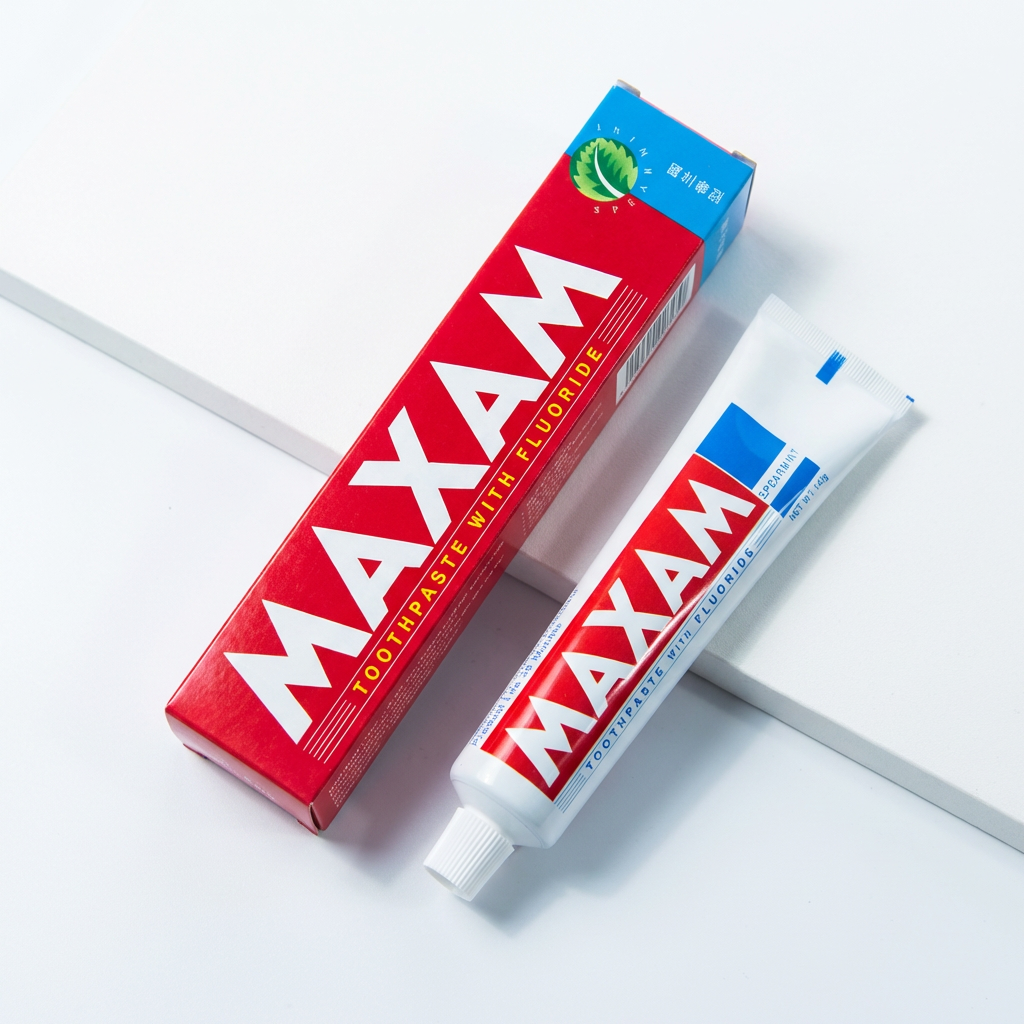
Natural toothpaste has emerged as a popular alternative to conventional dental products, offering consumers a healthier approach to oral hygiene. Unlike synthetic formulations packed with harsh chemicals, natural toothpaste relies on plant-based ingredients and mineral compounds to clean, protect, and strengthen teeth. Understanding what natural toothpaste is and how it functions can help you make informed decisions about your dental care routine and choose products that align with your health values.

The mechanics of natural toothpaste differ fundamentally from conventional formulas, yet they maintain the core purpose of maintaining oral health. Natural toothpaste works through a combination of gentle abrasives, mineral compounds, and botanical extracts that collaborate to remove plaque, neutralize acids, and freshen breath without relying on synthetic surfactants or artificial preservatives. This article explores the composition, functionality, and benefits of natural toothpaste, providing insight into why many people are transitioning to this cleaner alternative.
Natural toothpaste formulations typically feature mineral-based abrasives such as calcium carbonate, silica, or baking soda as their primary cleaning agents. These gentle abrasives work by mechanically removing surface stains, food debris, and bacterial biofilm from tooth enamel without causing excessive wear. Many natural toothpaste products also incorporate essential oils like peppermint, eucalyptus, and clove, which provide antimicrobial properties and create a fresh taste experience. Additionally, natural toothpaste often includes plant extracts such as aloe vera, tea tree oil, and sage that support gum health and reduce inflammation naturally.
One distinguishing feature of natural toothpaste is the approach to cavity prevention. While conventional toothpaste relies heavily on synthetic fluoride, natural toothpaste achieves remineralization through alternatives like hydroxyapatite, which is a calcium phosphate compound identical to the mineral structure of teeth. Some natural toothpaste brands use nano-hydroxyapatite, a bioavailable form that penetrates the tooth structure more effectively than traditional fluoride. This mineral-based approach in natural toothpaste provides evidence-backed protection against decay while avoiding fluoride for consumers who prefer fluoride-free options. Other natural toothpaste formulations incorporate xylitol, a plant-derived sugar alcohol that inhibits cavity-causing bacteria without feeding them.
Natural toothpaste operates through a two-part cleaning mechanism that begins with mechanical action. When you brush with natural toothpaste, the gentle abrasive particles—typically ranging from silica to calcium compounds—physically dislodge plaque biofilm, food particles, and surface stains from tooth enamel. This mechanical action is enhanced by the natural toothpaste's binding agents and humectants, which maintain moisture and allow particles to reach into interdental spaces and along the gum line. The effectiveness of natural toothpaste depends partly on brushing technique and duration, making it important to brush for at least two minutes to allow the abrasives in natural toothpaste to work thoroughly.
Beyond mechanical cleaning, natural toothpaste provides chemical protection through pH buffering and antimicrobial agents. Many natural toothpaste formulas contain baking soda, which neutralizes acids produced by oral bacteria and helps maintain a balanced pH environment in the mouth. The antimicrobial compounds in natural toothpaste, such as essential oils and plant extracts, directly inhibit bacterial growth and reduce the formation of the acidic byproducts that cause enamel erosion. Natural toothpaste with hydroxyapatite actively remineralizes weakened enamel by supplying bioavailable calcium and phosphate ions that integrate into the tooth structure, strengthening it against acid attacks and decay. This triple action—mechanical cleaning, pH balancing, and antimicrobial activity—makes natural toothpaste a comprehensive oral care solution.
Choosing natural toothpaste eliminates exposure to controversial chemicals commonly found in conventional formulas, including sodium lauryl sulfate (SLS), triclosan, artificial sweeteners, and synthetic dyes. Natural toothpaste avoids these additives, reducing the risk of oral irritation, allergic reactions, and potential systemic health concerns associated with prolonged chemical exposure. For individuals with sensitive gums, reactive tissues, or chemical sensitivities, natural toothpaste offers a gentler alternative that maintains cleaning efficacy without triggering inflammation or discomfort. Natural toothpaste is also suitable for families seeking to minimize their children's exposure to harsh chemicals while still ensuring effective cavity prevention and plaque control.
Natural toothpaste typically features biodegradable ingredients that break down harmlessly in aquatic ecosystems, unlike synthetic compounds that accumulate in waterways and harm aquatic life. The manufacturing process for natural toothpaste often employs more sustainable practices and renewable resources compared to conventional toothpaste production. Many natural toothpaste brands prioritize eco-friendly packaging, using recyclable or compostable materials that reduce plastic waste. By selecting natural toothpaste, consumers contribute to environmental conservation while supporting companies committed to sustainable business practices. Additionally, natural toothpaste formulations often derive ingredients from responsibly sourced botanical suppliers, supporting ethical trade and agricultural practices that benefit both communities and ecosystems.
Yes, natural toothpaste can be equally effective when properly formulated with proven ingredients like hydroxyapatite, xylitol, and essential oils. Scientific studies demonstrate that natural toothpaste products with these active ingredients provide comparable cavity prevention, plaque removal, and gum health benefits to conventional formulas. However, effectiveness depends on regular brushing, proper technique, and selecting reputable natural toothpaste brands that use evidence-backed concentrations of active ingredients. Natural toothpaste works best when combined with regular flossing and professional dental checkups.
Natural toothpaste can prevent cavities effectively using fluoride-free alternatives like hydroxyapatite and xylitol, which have shown strong anti-cavity performance in clinical research. Hydroxyapatite, the primary mineral component of teeth, remineralizes enamel and blocks cavity-causing bacteria through a different mechanism than fluoride. Natural toothpaste with xylitol inhibits the growth of cavity-causing bacteria by depriving them of fermentable sugars, reducing acid production and supporting remineralization. While these alternatives work differently than fluoride, properly formulated natural toothpaste provides reliable cavity protection for most users.
People choose natural toothpaste for various reasons, including avoiding synthetic chemicals, reducing allergic reactions, supporting environmental sustainability, and aligning dental care with overall wellness philosophies. Natural toothpaste appeals to health-conscious consumers who prefer transparent ingredient lists and want to minimize their chemical exposure. Additionally, natural toothpaste often provides a more pleasant taste and fresh sensation due to essential oils compared to the artificial flavoring in conventional products. Environmental awareness and ethical sourcing practices motivate many consumers to select natural toothpaste brands that prioritize sustainability and community responsibility.

Based in Shanghai with 30+ years of export experience, MAXAM is a premier oral care manufacturer specializing in efficacy-driven toothpaste for whitening, cavity protection, and sensitivity. Certified by GMPC, BRC, and HALAL.
Join our email list for tips and useful information.


