 EN



Sensitive teeth affect millions of people worldwide, causing sharp pain when consuming hot, cold, or sweet foods and beverages. Many sufferers turn to conventional toothpastes loaded with synthetic chemicals, only to find temporary relief without addressing the root cause. Natural toothpaste offers a gentler, more effective alternative that works with your body's natural healing processes rather than against them. Understanding how natural toothpaste helps with sensitive teeth can transform your daily oral care routine and restore comfort to your smile.
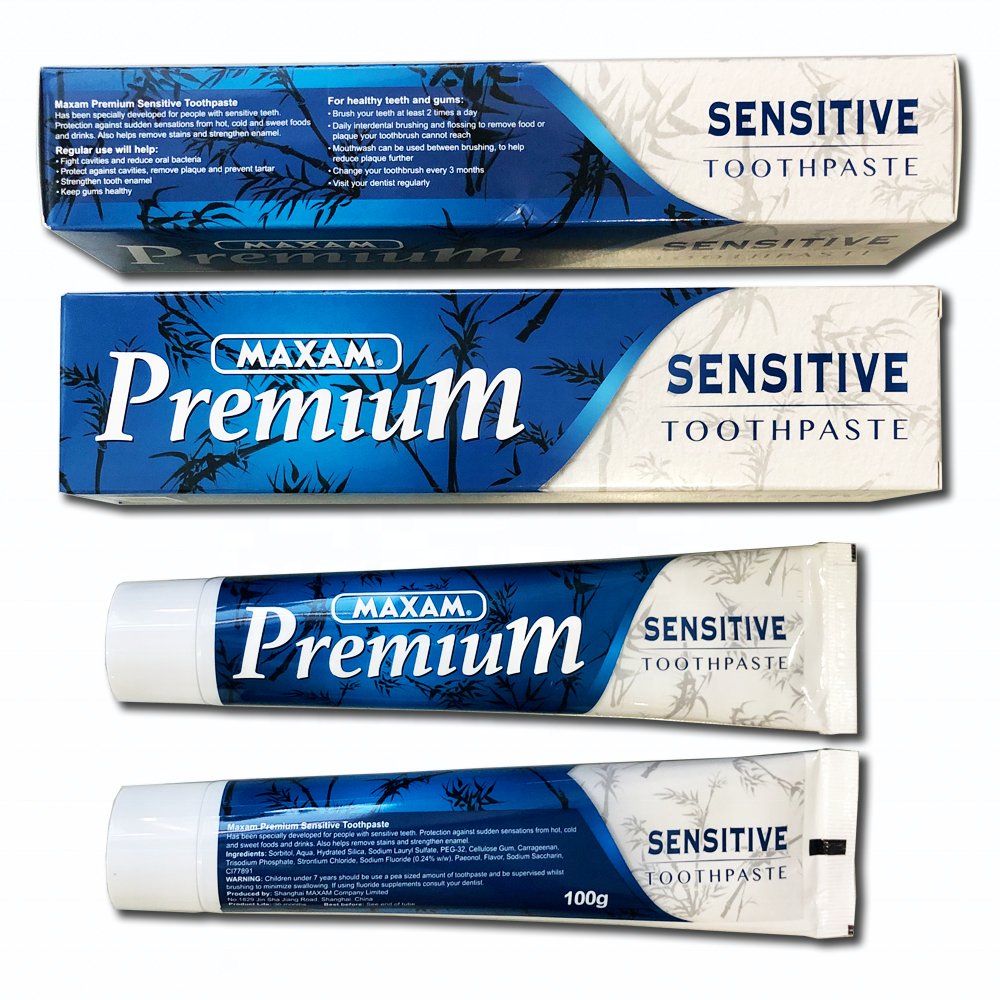
The effectiveness of natural toothpaste in managing sensitive teeth lies in its carefully selected botanical ingredients and mineral compounds. Unlike harsh abrasive formulations, natural toothpaste gently removes plaque and buildup while soothing inflamed gum tissue and exposed dentin tubules. When combined with proper brushing technique and consistent use, natural toothpaste can significantly reduce sensitivity within weeks, allowing you to enjoy your favorite foods without discomfort.
Tooth sensitivity occurs when gums recede and expose the dentin layer beneath the enamel surface. Natural toothpaste containing ingredients like chamomile, sage, and aloe vera works to reduce inflammation in the gum tissue, which is often the underlying cause of sensitivity. These botanical extracts possess natural anti-inflammatory properties that calm irritated tissues without the side effects associated with synthetic desensitizing agents. Regular use of natural toothpaste helps restore gum health, gradually covering exposed dentin and reducing nerve stimulation.
The soothing action of natural toothpaste extends beyond surface application. When you use natural toothpaste consistently, the active botanical compounds penetrate the gum line and work to strengthen tissue integrity. This process addresses sensitivity at its source rather than merely masking symptoms, making natural toothpaste an excellent long-term solution for sensitive teeth management.
Natural toothpaste often contains calcium compounds, hydroxyapatite, and fluoride alternatives derived from natural sources that actively strengthen enamel. These minerals remineralize weakened enamel surfaces, creating a protective barrier against temperature extremes and acidic foods. Unlike synthetic formulations that may contain harsh abrasives, natural toothpaste works gently to build enamel strength over time without causing additional erosion or sensitivity.
The mineral content in quality natural toothpaste makes it particularly effective for sensitive teeth because strengthened enamel directly reduces dentin exposure. When you apply natural toothpaste twice daily, these remineralizing agents accumulate on tooth surfaces, gradually creating a harder, more resilient outer layer that protects against sensitivity triggers.
Premium natural toothpaste formulations include extracts like peppermint, eucalyptus, and clove that provide numbing and antiseptic benefits. Peppermint oil in natural toothpaste creates a cooling sensation that naturally relieves tooth pain, while clove has been used in traditional dentistry for centuries due to its powerful analgesic properties. These botanical ingredients in natural toothpaste work synergistically to address multiple aspects of tooth sensitivity simultaneously.
Sage extract commonly found in natural toothpaste offers astringent properties that help tighten gum tissue and reduce inflammation. When incorporated into natural toothpaste formulas, sage strengthens the gum-tooth interface, preventing further recession that would expose more dentin. This makes natural toothpaste with sage particularly valuable for individuals with progressive gum sensitivity.
Natural toothpaste containing calcium, silica, and hydroxyapatite provides essential minerals that enamel requires for optimal health. Hydroxyapatite, the primary mineral component of natural tooth structure, is increasingly used in premium natural toothpaste because it directly replaces lost mineral content. When you brush with natural toothpaste enriched with these compounds, you are actively restoring your teeth to their naturally strong state.
The mineral profile of effective natural toothpaste also includes trace elements that support overall oral health. Natural toothpaste formulated with proper mineral balance ensures that sensitivity reduction occurs alongside genuine enamel strengthening. This comprehensive approach distinguishes quality natural toothpaste from synthetic alternatives that may only numb sensitivity temporarily.
Many people assume that natural toothpaste must sacrifice cleaning power to avoid harshness, but this misconception overlooks the real advantage of natural toothpaste. The gentleness of natural toothpaste actually allows it to be used more frequently and by more people without adverse effects, making it superior for sensitive teeth management. Natural toothpaste achieves effective cleaning through enzymatic action and gentle abrasives rather than harsh chemicals that damage enamel and irritate gums.
Synthetic toothpastes often contain sodium lauryl sulfate and other detergents that strip away protective oils and disrupt the oral microbiome. Natural toothpaste avoids these harsh surfactants, allowing beneficial oral bacteria to thrive while still eliminating harmful pathogens. This balanced approach means natural toothpaste works with your body's natural defenses rather than against them.
While conventional desensitizing toothpastes provide temporary relief, natural toothpaste delivers cumulative benefits that improve over time. Regular use of natural toothpaste strengthens gum tissue, improves gum health, and gradually reduces sensitivity through genuine tissue repair. The botanical and mineral ingredients in natural toothpaste continue working long after you brush, providing sustained protection throughout the day.
Natural toothpaste users often report improved breath quality, whiter teeth over time, and reduced gum bleeding when they switch from synthetic alternatives. These additional benefits occur because natural toothpaste addresses the underlying causes of dental problems rather than simply treating symptoms. The investment in quality natural toothpaste pays dividends in comprehensive oral health improvement.
Most users notice significant sensitivity reduction within two to four weeks of consistent use with natural toothpaste, though individual results vary based on severity and gum health. Natural toothpaste works gradually to strengthen enamel and heal gum tissue, so patience and consistency are essential. For optimal results with natural toothpaste, maintain twice-daily brushing and give the formula at least six to eight weeks to demonstrate full effectiveness.
Natural toothpaste is generally safe and beneficial for individuals with gum disease, but severe cases require professional dental evaluation and treatment. Natural toothpaste with anti-inflammatory ingredients can support gum health alongside professional care, but should not replace prescribed treatments. Consult your dentist before relying solely on natural toothpaste for treating advanced gum disease, while using natural toothpaste as part of a comprehensive oral health plan.
Many quality natural toothpaste formulations include naturally derived fluoride or fluoride alternatives like hydroxyapatite that provide comparable cavity protection. Natural toothpaste with these mineral compounds prevents cavities effectively while avoiding synthetic additives found in conventional toothpaste. Studies increasingly show that natural toothpaste with proper mineral fortification achieves cavity prevention rates equivalent to traditional fluoride toothpaste.

Based in Shanghai with 30+ years of export experience, MAXAM is a premier oral care manufacturer specializing in efficacy-driven toothpaste for whitening, cavity protection, and sensitivity. Certified by GMPC, BRC, and HALAL.
Join our email list for tips and useful information.


