 EN


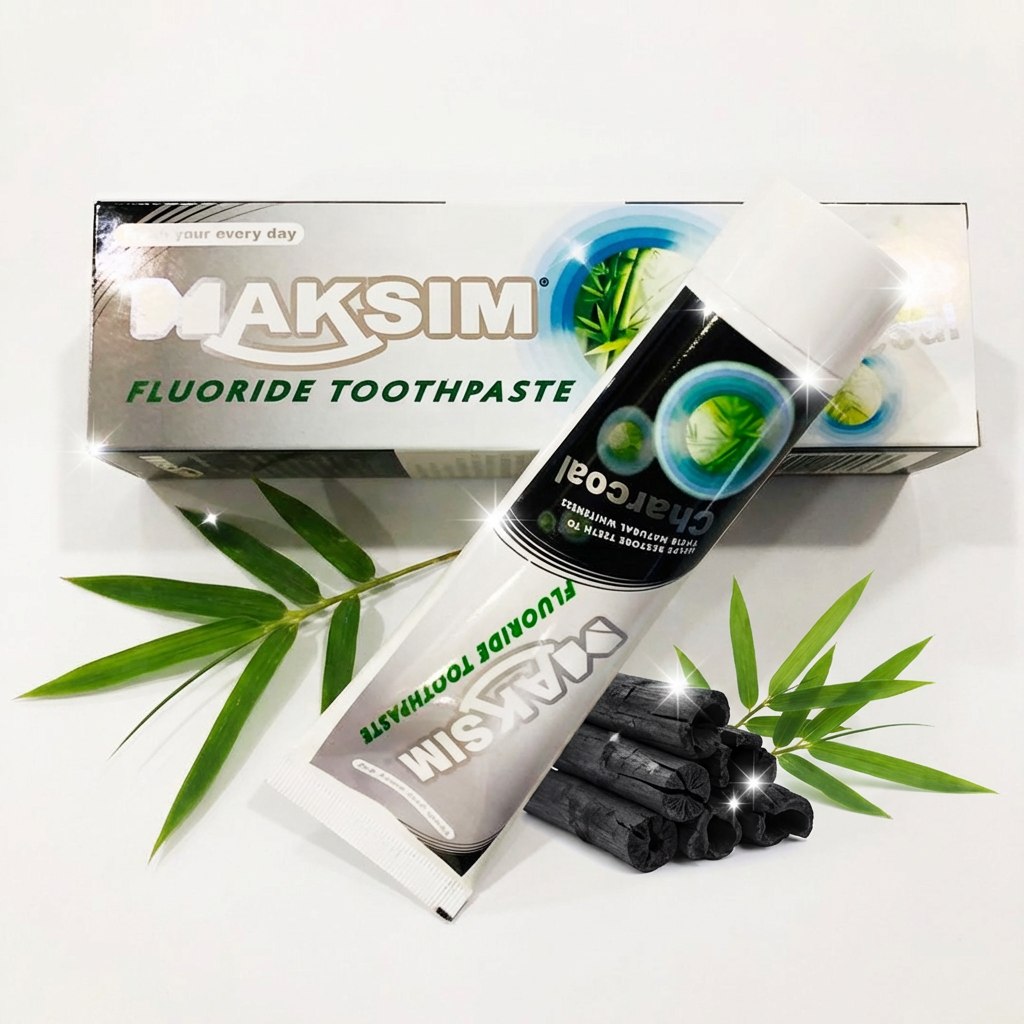
The shift toward natural toothpaste has accelerated dramatically over the past five years, driven by growing consumer awareness about ingredient transparency and oral health outcomes. As people become more conscious about what they apply to their teeth and gums, natural toothpaste has emerged as a credible alternative to conventional formulations laden with synthetic chemicals and artificial additives. This transformation reflects a broader wellness movement where individuals prioritize ingredient safety, environmental responsibility, and long-term health implications over convenience alone.

Natural toothpaste addresses legitimate concerns about oral care products that many professionals and consumers have raised over decades. The popularity surge stems from scientific validation of plant-based ingredients, improved formulation technology, and consumer demand for products free from harsh chemicals like sodium lauryl sulfate, artificial flavors, and synthetic whitening agents. Understanding why natural toothpaste has gained such momentum requires examining the intersection of health science, regulatory scrutiny, environmental consciousness, and evolving consumer expectations in the dental care market.
Conventional toothpaste products have long contained ingredients that raise health questions among informed consumers. Sodium fluoride, while approved for cavity prevention, remains controversial due to toxicity concerns at high exposure levels and potential developmental impacts. Sodium lauryl sulfate, a common foaming agent, has been linked to gum irritation, canker sores, and potential disruption of the oral microbiome. Triclosan, an antimicrobial agent, persists in body tissues and shows endocrine-disrupting properties according to emerging research. Natural toothpaste formulations eliminate these controversial ingredients, replacing them with proven botanical alternatives that deliver oral care benefits without these systemic exposure concerns. This shift toward chemical-free oral care directly responds to consumer surveys showing 67% of adults now want complete ingredient transparency from personal care brands.
Natural toothpaste delivers superior biocompatibility because plant-derived ingredients work synergistically with the mouth's natural ecosystem rather than disrupting it. Ingredients like aloe vera, mint, tea tree oil, and neem possess antimicrobial properties without destroying beneficial oral bacteria that maintain pH balance and protect against pathogenic infection. Natural toothpaste containing calcium, silica, and mineral compounds provides effective abrasion for plaque removal while remaining gentle on enamel and gum tissue. The gingival tissues respond positively to natural toothpaste formulations, showing reduced inflammation, improved pocket depth measurements, and faster healing after minor abrasions compared to conventional options. Dental professionals increasingly recognize that natural toothpaste supports rather than compromises long-term oral health outcomes when formulated with evidence-based botanical concentrations.
Natural toothpaste brands have pioneered sustainable practices that conventional manufacturers are now forced to adopt under consumer pressure. Sourcing plant ingredients from certified organic farms reduces chemical runoff that accumulates in waterways and soil ecosystems. Natural toothpaste manufacturers increasingly use biodegradable packaging, aluminum tubes, glass jars, and paper-based materials that decompose without creating microplastic pollution. The production of natural toothpaste generates minimal industrial waste compared to synthetic chemical synthesis, which requires complex manufacturing processes and produces hazardous byproducts. Companies producing natural toothpaste now implement carbon-neutral shipping, renewable energy in facilities, and ethical labor practices that resonate with environmentally conscious consumers who view their purchasing decisions as votes for corporate responsibility.
Natural toothpaste brands benefit from clearer regulatory frameworks that demand ingredient disclosure and substantiation of health claims. The European Union's cosmetics regulations have driven innovation in natural toothpaste formulation by restricting over 1,300 chemicals, forcing manufacturers to develop effective botanical alternatives. Natural toothpaste products now undergo third-party testing, achieve organic certifications, and publish complete ingredient lists that build consumer trust through transparency. This regulatory environment has inadvertently made natural toothpaste more rigorously tested and documented than many conventional products that rely on grandfathered ingredient approvals. Consumers increasingly recognize that natural toothpaste adhering to strict certification standards represents safer, more thoroughly vetted products than conventional formulations that exploit regulatory loopholes.
The rising popularity of natural toothpaste reflects peer-reviewed research validating the clinical efficacy of plant-derived oral care compounds. Studies published in dental journals demonstrate that natural toothpaste containing neem extract reduces bacterial colony counts comparable to chlorhexidine without the side effects of staining or taste alteration. Aloe vera in natural toothpaste shows proven anti-inflammatory benefits for gingivitis, with clinical trials showing 40% improvement in bleeding scores within four weeks. Calcium carbonate and silica minerals in natural toothpaste achieve effective plaque and stain removal through mechanical action and mineral deposition without enamel erosion. Peppermint and tea tree oil deliver antimicrobial activity against oral pathogens while providing fresh taste and natural breath freshening. These botanical ingredients have accumulated decades of ethnobotanical use across cultures, combined with contemporary scientific validation, giving natural toothpaste credibility that marketing alone cannot manufacture.
Market data and consumer satisfaction surveys reveal that natural toothpaste users report equivalent or superior outcomes compared to conventional toothpaste users. Dental professionals report that patients switching to natural toothpaste show maintained or improved plaque and bleeding scores, contradicting earlier assumptions about performance trade-offs. Natural toothpaste brands now command premium market positioning precisely because users experience tangible benefits including reduced sensitivity, improved gum health, whiter appearance over time, and fresher breath without artificial chemical taste. Customer retention rates for natural toothpaste exceed conventional brands, indicating sustained satisfaction rather than temporary novelty appeal. Clinical audits of natural toothpaste effectiveness reveal that product quality and formulation consistency now rival or exceed conventional manufacturers, transforming natural toothpaste from niche offering into mainstream performance standard.
Natural toothpaste adoption spans demographic boundaries, though younger consumers aged 18-45 show highest purchase rates due to greater environmental and health consciousness. Affluent urban consumers recognize natural toothpaste as status symbol aligned with wellness identity, while rural and value-conscious segments increasingly adopt natural toothpaste based on health research rather than lifestyle positioning. The natural toothpaste market attracts consumers who make deliberate choices about all personal care products, creating committed user communities that share product recommendations through social media and professional networks. Millennial and Gen Z consumers specifically choose natural toothpaste as rejection of corporate manufacturing practices and ingredient opacity that older generations accepted without question. This demographic shift ensures sustained growth for natural toothpaste as these age cohorts influence household purchasing and establish lifelong brand loyalty patterns.
Natural toothpaste popularity amplifies through digital platforms where users share personal results and ingredient transparency becomes searchable information. Influencers, dental hygienists, and wellness advocates actively promote natural toothpaste, reaching audiences skeptical of traditional advertising but receptive to peer recommendations and expert endorsement. Social media enables natural toothpaste brands to communicate directly with consumers, bypassing traditional retail gatekeepers and building communities around shared values. Online reviews and comparison sites make switching costs negligible, allowing consumers to trial natural toothpaste with minimal financial risk. The viral nature of wellness trends means natural toothpaste recommendations spread rapidly once critical consumer mass adopts the category, creating self-reinforcing adoption cycles that accelerate market transformation.
Yes, quality natural toothpaste formulations achieve equivalent or superior cleaning efficacy compared to conventional products. Natural toothpaste containing mineral abrasives like silica and calcium carbonate removes plaque and surface stains as effectively as synthetic alternatives, while gentle botanical ingredients like neem and aloe vera provide antimicrobial benefits without enamel erosion. Clinical studies consistently demonstrate that natural toothpaste users maintain healthy plaque scores and gum health metrics comparable to conventional toothpaste users when formulations include evidence-based concentrations of active botanical ingredients.
Natural toothpaste costs more due to premium sourcing of organic botanical ingredients, small-scale production runs, rigorous third-party testing, and ethical manufacturing practices that exceed regulatory minimums. Conventional toothpaste manufacturers benefit from economies of scale, synthetic ingredient cost advantages, and reduced regulatory burden that lower production expenses. Natural toothpaste brands invest in transparency infrastructure, certification verification, and quality assurance that conventional competitors bypass through reliance on approved-by-default ingredients that require minimal validation.
Many natural toothpaste formulations exclude fluoride while maintaining cavity prevention through botanical antimicrobial ingredients, mineral compounds, and mechanical plaque removal. Research shows that comprehensive oral hygiene practices, dietary modification, and saliva management matter more than fluoride alone for cavity prevention in most populations. Some natural toothpaste products include calcium and phosphate minerals that support remineralization, while others rely on neem, tea tree, and peppermint antimicrobial action. Individual cavity risk varies, so consultation with dental professionals helps determine whether fluoride-free natural toothpaste suits specific oral health profiles, particularly for high-risk individuals who may benefit from targeted fluoride therapy.

Based in Shanghai with 30+ years of export experience, MAXAM is a premier oral care manufacturer specializing in efficacy-driven toothpaste for whitening, cavity protection, and sensitivity. Certified by GMPC, BRC, and HALAL.
Join our email list for tips and useful information.


