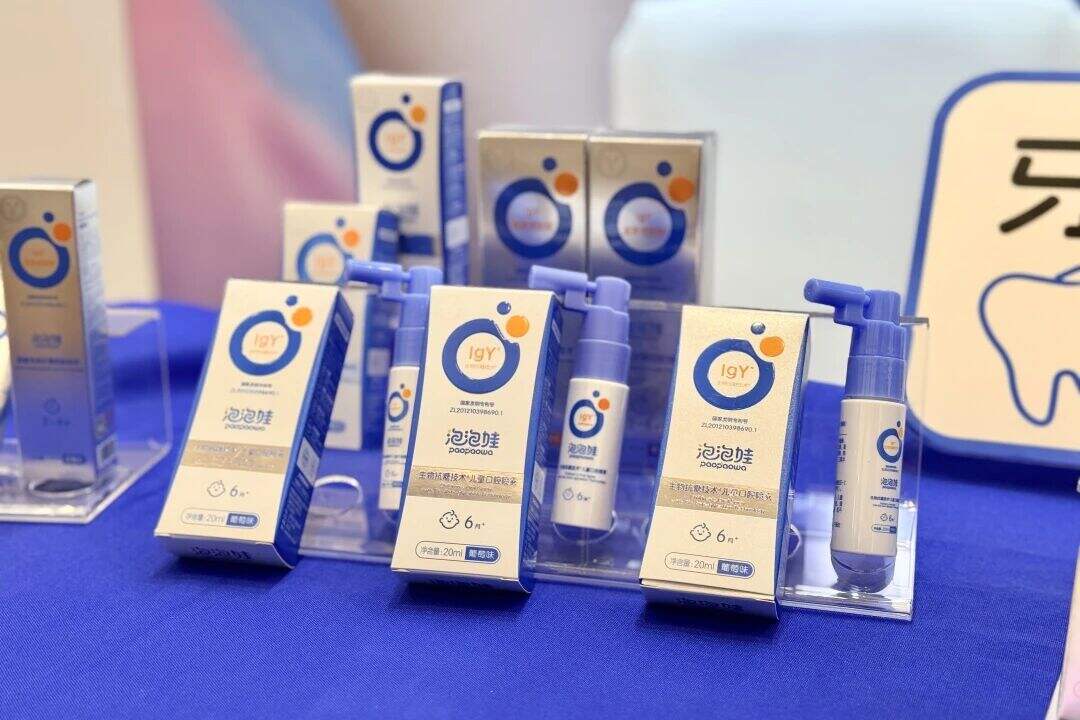
nano hydroxyapatite powder
Nano hydroxyapatite powder represents a cutting-edge biomaterial that has revolutionized multiple industries through its exceptional properties and versatile applications. This ultrafine crystalline material, with particle sizes typically ranging from 20 to 100 nanometers, shares an identical chemical composition to the mineral component found in natural bone and teeth. The nano hydroxyapatite powder exhibits a chemical formula of Ca10(PO4)6(OH)2, making it highly compatible with biological systems and exceptionally valuable across medical, dental, cosmetic, and industrial sectors. The main functions of nano hydroxyapatite powder encompass bone regeneration, remineralization of tooth enamel, drug delivery enhancement, and serving as a reinforcing agent in composite materials. Its technological features include an extraordinarily high surface area to volume ratio, superior bioactivity, excellent osteoconductive properties, and remarkable adsorption capabilities. The nanoscale structure allows for enhanced interaction with biological tissues, promoting faster integration and better performance outcomes compared to conventional hydroxyapatite materials. In medical applications, nano hydroxyapatite powder serves as a bone graft substitute, coating material for orthopedic implants, and scaffold material for tissue engineering. The dental industry utilizes this advanced material in toothpaste formulations, remineralizing treatments, and dental restorative procedures. Cosmetic manufacturers incorporate nano hydroxyapatite powder into skincare products for its gentle exfoliating properties and mineral supplementation benefits. The material's biocompatibility, non-toxicity, and ability to promote cellular attachment make it indispensable in regenerative medicine. Industrial applications extend to catalysis, water purification, and as a functional additive in various manufacturing processes. The technological advancement in producing nano hydroxyapatite powder with controlled particle size, morphology, and crystallinity has opened new possibilities for innovation across diverse sectors, establishing it as a material of significant commercial and scientific interest.
 EN
EN