 EN
EN


Jeśli kiedykolwiek zastanawiałeś się, jak pasta o barwie czarnej jak smoła może faktycznie wybielić Twoje zęby, nie jesteś sam. pasta do zębów z węglem aktywnym stała się jedną z najbardziej omawianych innowacji w zakresie pielęgnacji jamy ustnej w ostatnich latach, przyciągając uwagę zwykłych konsumentów oraz entuzjastów stomatologii. Jej efektowny wygląd naturalnie budzi pytania dotyczące zasady działania, bezpieczeństwa oraz rodzajów przebarwień, które rzeczywiście potrafi usunąć. Zrozumienie podstaw naukowych tej produktu pozwala na ustanowienie realistycznych oczekiwań i wspiera podejmowanie mądrzejszych decyzji zakupowych.

Mechanizm działania pasta do zębów z węglem aktywnym opiera się zarówno na chemii, jak i działaniu fizycznym. W przeciwieństwie do tradycyjnych past do zębów wybielających, które często opierają się na środkach wybielających lub agresywnych substancjach ścierających, pasta do zębów z węglem aktywnym przyjmuje bardziej naturalne podejście, wykorzystując węgiel aktywowany jako główny składnik czynny. Ta różnica ma znaczenie dla konsumentów, którzy woleliby formuły pozbawione syntetycznych środków wybielających. Dokładne wyjaśnienie, w jaki sposób ten składnik wiąże się ze zbarwieniami, usuwa przebarwienia i wspiera czystość jamy ustnej, pozwoli uzyskać jasne spojrzenie na rzeczywiste efekty działania tego produktu.
Nie każdy węgiel jest taki sam. Węgiel aktywowany to specjalnie przetworzona forma węgla, otrzymywana poprzez podgrzewanie materiałów bogatych w węgiel – takich jak skorupki kokosowe, drewno lub węgiel kamienny – do bardzo wysokich temperatur w obecności gazów. Proces aktywacji powoduje powstanie wysoce porowatej struktury powierzchniowej, która znacznie zwiększa powierzchnię materiału. Jeden gram węgla aktywowanego może mieć powierzchnię przekraczającą 500 metrów kwadratowych, co nadaje mu wyjątkową zdolność wiązania.
Ta porowata struktura stanowi podstawę działania pasty do zębów z węglem drzewnym w przypadku przebarwień zębów. Gdy pasta ta kontaktuje się z powierzchniami w jamie ustnej, mikroskopijne pory cząsteczek aktywowanego węgla drzewnego przyciągają i wiążą związki odpowiedzialne za przebarwienia. W rezultacie zachodzi proces fizyczny i chemiczny, który działa synergicznie, aby usuwać cząsteczki powodujące przebarwienia z powierzchni zębów, a nie wybielać ich.
Zwykły węgiel drzewny, taki jak ten stosowany do grilla, nie przechodzi tego procesu aktywacji. Nie posiada takiej samej gęstości porów ani zdolności adsorpcyjnej. Stosowanie zwykłego węgla drzewnego na zębach byłoby jedynie szorstkie, bez jakiejkolwiek istotnej korzyści związanej z wiązaniem przebarwień, dlatego rozróżnienie „aktywowany” w nazwie pasty do zębów z węglem drzewnym nie jest tylko marketingowym sformułowaniem, lecz istotną różnicą chemiczną.
Technicznym terminem opisującym działanie aktywnego węgla jest adsorpcja — pisane z literą „d”, a nie „b”. Adsorpcja odnosi się do procesu, w którym cząsteczki przyłączają się do powierzchni innego materiału, a nie są wchłaniane do jego wnętrza. W kontekście pasty do zębów z węglem aktywnym związki powodujące przebarwienia, takie jak taniny pochodzące z kawy, herbaty i czerwonego wina oraz chromogeny zawarte w różnych produktach spożywczych, wiążą się z powierzchnią cząsteczek węgla w momencie naniesienia pasty na zęby.
Gdy te cząsteczki zostaną związane z węglem, są fizycznie usuwane podczas płukania i wypluwania. Jest to zasadniczo inne podejście niż wybielanie utleniające, w którym związki nadtlenkowe chemicznie modyfikują same cząsteczki barwników. Pasta do zębów z węglem aktywnym działa poprzez podnoszenie i usuwanie przebarwień, a nie ich chemiczne rozkładanie. Ta różnica jest kluczowa dla zrozumienia zarówno zalet, jak i ograniczeń tej metody.
Ponieważ adsorpcja jest procesem zachodzącym na powierzchni, pasty do zębów zawierające węgiel drzewny są najskuteczniejsze w usuwaniu przebarwień zewnętrznych – tych, które gromadzą się na zewnętrznej powierzchni szkliwa. Są mniej skuteczne w przypadku przebarwień wewnętrznych, które powstają w strukturze zęba lub mają podłoże rozwojowe. Ustalenie realistycznych oczekiwań w tym zakresie pomaga użytkownikom w pełni wykorzystać zalety stosowania pasty do zębów z węglem drzewnym.
Najczęstsze przebarwienia, na które skierowana jest pasty do zębów z węglem drzewnym, mają charakter egzogenny. Są to osadzające się na powierzchni zęba osadzki, które gromadzą się w czasie w wyniku wyborów dietetycznych i nawyków życiowych. Kawa i herbata należą do najczęstszych sprawców takich przebarwień, ponieważ zawierają taniny – naturalnie występujące polifenole o silnej skłonności do wiązania się z szkliwem zębowym. Czerwone wino zawiera zarówno taniny, jak i chromatogeny, co czyni je podwójnie problematycznym dla barwy zębów. Używanie tytoniu, niezależnie od tego, czy jest palony, czy żuty, prowadzi do powstawania trudnych do usunięcia osadów opartych na smołach.
Pasta do zębów z węglem aktywnym jest szczególnie odpowiednia do usuwania tego typu przebarwień. Węgiel aktywny zawarty w jej składzie skutecznie wiąże cząsteczki tanin i chromatoforów, które tworzą te osadzające się na zębach zabarwienia. Przy regularnym stosowaniu wielu osób zauważa stopniowe zmniejszenie żółtawego lub brązowawego przebarwienia spowodowanego codziennymi nawykami. Efekty są zwykle bardziej widoczne u osób z umiarkowanymi przebarwieniami zewnętrznymi niż u tych z ciężkimi przebarwieniami szkliwa.
Warto również zauważyć, że pasta do zębów z węglem aktywnym może wspomagać świeżość oddechu poprzez adsorpcję lotnych związków siarki przyczyniających się do nieprzyjemnego zapachu jamy ustnej. Ta podwójna korzyść — kontrola przebarwień i zapewnienie świeżości — czyni ją kompleksowym środkiem codziennej pielęgnacji dla wielu użytkowników, którzy preferują bardziej naturalne podejście do higieny jamy ustnej.
Barwniki wewnętrzne powstają poniżej powierzchni szkliwa, w warstwie zębiny lub głębszych strukturach zęba. Mogą one wynikać z długotrwałego stosowania antybiotyków w okresie rozwoju zębów, nadmiernego narażenia na fluor w dzieciństwie lub naturalnego starzenia się, które powoduje ciemnienie zębiny wraz z upływem czasu. Ponieważ pasty do zębów z węglem drzewnym działają głównie na zewnętrznej powierzchni zęba, nie są w stanie przeniknąć przez szkliwo, aby wyeliminować te głębsze zmiany barwności.
Nie oznacza to jednak, że pasty do zębów z węglem drzewnym nie mają żadnej wartości dla osób z barwnikami wewnętrznymi. Usunięcie warstwy barwników zewnętrznych, która często gromadzi się na powierzchni barwników wewnętrznych, może nadal poprawić ogólny wygląd zębów. Należy jednak pamiętać, że profesjonalne zabiegi stomatologiczne są bardziej odpowiednie do leczenia zmian barwności pochodzących z wnętrza struktury zęba.
Szczera komunikacja na temat tych ograniczeń stanowi część tego, co czyni pastę do zębów z węglem drzewnym kategorią wiarygodnych produktów, gdy jest odpowiedzialnie promowana. Konsumentom, którzy rozumieją, że jest to naturalne rozwiązanie do usuwania przebarwień powierzchniowych – a nie zamiennik profesjonalnych zabiegów wybielających – znacznie bardziej prawdopodobne jest uzyskanie satysfakcji z doświadczenia i osiągniętych rezultatów.
Ponad adsorpcję pasta do zębów z węglem drzewnym wykorzystuje również pewien stopień łagodnego działania mechanicznego. Same cząsteczki węgla drzewnego mają drobny, ziarnisty charakter, który wspomaga usuwanie płytki nazębnej i przebarwień powierzchniowych podczas szczotkowania. To fizyczne działanie oczyszczające uzupełnia chemiczny proces adsorpcji, tworząc dwukierunkowe podejście do usuwania przebarwień, które odróżnia pastę do zębów z węglem drzewnym od czysto chemicznych alternatyw wybielających.
Ścisłość każdej pasty do zębów mierzy się za pomocą standardu zwanego względną ścisłością zębiny (RDA – Relative Dentin Abrasivity). Stomatolodzy zalecają ogólnie pasty do zębów o wartości RDA poniżej 250. Wysokiej jakości formuły past do zębów z węglem drzewnym są starannie dobrane tak, aby pozostawać w bezpiecznym zakresie ścisłości, zapewniając jednocześnie skuteczne czyszczenie. Wybór produktu od renomowanego producenta gwarantuje kontrolę rozmiaru i stężenia cząsteczek węgla drzewnego pod kątem bezpieczeństwa.
Warto zauważyć, że nadmiernie intensywna technika szczotkowania może wzmocnić działanie ścierne dowolnej pasty do zębów, w tym pasty z węglem drzewnym. Zawsze zalecane jest stosowanie miękkiej szczoteczki oraz delikatnych ruchów okrężnych w celu długotrwałej ochrony szkliwa, niezależnie od używanej pasty. Przy prawidłowym stosowaniu pasta z węglem drzewnym jest dobrze tolerowana przez większość dorosłych i zapewnia korzyści czyszczące bez uszkadzania ochronnej warstwy szkliwa.
Dobrze skonstruowana pasta do zębów z węglem aktywnym uwzględnia również zdrowie miękkich tkanek jamy ustnej. Węgiel aktywny został przebadany pod kątem jego zdolności wiązania bakterii oraz niektórych toksyn w środowisku jamy ustnej. Gdy pasta ta styka się z linią dziąseł podczas szczotkowania, właściwości adsorpcyjne węgla aktywnego mogą pomóc zmniejszyć obciążenie bakteryjne wzdłuż brzegu dziąsła, wspierając zdrowsze dziąsła jako część regularnej rutyny higieny jamy ustnej.
Niektóre pasty do zębów z węglem aktywnym zawierają dodatkowe składniki wspomagające, takie jak olej kokosowy, ekstrakty mięty lub fluor, które uzupełniają naturalne działanie węgla aktywnego. Te dodatki mogą wspierać proces remineralizacji, wykazywać właściwości przeciwbakteryjne lub poprawiać świeżość odczucia podczas szczotkowania. Przeczytanie listy składników pozwala konsumentom wybrać pastę do zębów z węglem aktywnym, która najlepiej odpowiada ich indywidualnym priorytetom zdrowia jamy ustnej.
Osoby z istniejącą nadwrażliwością dziąseł lub poddające się leczeniu stomatologicznemu powinny skonsultować się ze swoim dentystą przed wprowadzeniem pasty do zębów z węglem drzewnym do swojej codziennej rutyny. Choć większość osób dobrze toleruje ją, indywidualne czynniki, takie jak cofanie się dziąseł lub odsłonięte powierzchnie korzeni zębów, mogą wymagać bardziej spersonalizowanego podejścia do wyboru pasty do zębów. Odpowiedzialne stosowanie, a nie unikanie jej z ostrożności, jest odpowiednim wnioskiem dla większości konsumentów.
Uzyskanie najlepszych rezultatów z pasty do zębów z węglem drzewnym zależy przede wszystkim od regularności oraz prawidłowej techniki stosowania. W przeciwieństwie do niektórych zabiegów wybielających, które obiecują natychmiastowe efekty, pasta do zębów z węglem drzewnym działa stopniowo – jej działanie staje się widoczne po kilku tygodniach regularnego stosowania. Większość użytkowników zauważa widoczną poprawę połysku powierzchniowego i zmniejszenie przebarwień już po dwóch do czterech tygodniach codziennego (raz lub dwa razy dziennie) stosowania produktu.
Technika szczotkowania ma istotne znaczenie. Naniesienie ilości pasty do zębów z węglem aktywnym wielkości ziarna groszku na miękką szczoteczkę i szczotkowanie przez pełne dwie minuty zapewnia wystarczający czas kontaktu między węglem aktywnym a powierzchnią zębów. Zwrócenie szczególnej uwagi na obszary, w których przebarwienia są najbardziej skoncentrowane — zwykle na przednich powierzchniach siekaczy oraz w pobliżu brzegów dziąseł — maksymalizuje działanie formuły w kierunku usuwania przebarwień.
Niektórzy specjaliści ds. higieny jamy ustnej sugerują naprzemienne stosowanie pasty do zębów z węglem aktywnym z pasty do zębów zawierającej fluor aby uzyskać równowagę między korzyściami wybielającymi a wspomaganiem remineralizacji. Takie podejście pozwala użytkownikom zachować korzyści związane z usuwaniem przebarwień dzięki pastie z węglem aktywnym, jednocześnie zapewniając stałą ekspozycję szkliwa na fluor, co chroni je przed uszkodzeniem. Tworzenie przemyślanej rutyny stosowania pasty z węglem aktywnym, a nie przypadkowe jej używanie, jest kluczem do trwałych rezultatów.
Pasty do zębów z węglem drzewnym działają najlepiej jako część szerszej strategii opieki jamy ustnej. Picie wody po spożyciu napojów powodujących przebarwienia, takich jak kawa lub czerwone wino, znacząco zmniejsza ryzyko osadzania się tanin i chromogenów na szkliwie. Używanie słomki do chłodnych napojów powodujących przebarwienia minimalizuje bezpośredni kontakt z powierzchnią zębów, co zmniejsza tempo gromadzenia się przebarwień zewnętrznych.
Regularne nitkowanie usuwa płytkę nazębna i pozostałości pokarmowe z przestrzeni międzyzębowych, których nie można usunąć samym szczotkowaniem – dzięki temu pośrednio wspiera skuteczność pasty do zębów z węglem drzewnym, zapewniając ogólnie czystsze powierzchnie zębów. Profesjonalne czyszczenie zębów co sześć miesięcy usuwa kamień nazębny oraz głęboko zakorzenione przebarwienia, których nawet najskuteczniejsze produkty do domowej pielęgnacji nie są w stanie usunąć samodzielnie. Pasta do zębów z węglem drzewnym jest najskuteczniejsza, gdy pełni funkcję środka utrzymującego czystość w ramach tego kompleksowego podejścia.
Świadomość żywieniowa odgrywa również istotną rolę. Ograniczanie częstotliwości spożywania żywności i napojów o intensywnej barwie lub przynajmniej natychmiastowe płukanie jamy ustnej po ich spożyciu sprzyja optymalnemu działaniu pasty do zębów z węglem drzewnym. Żaden produkt stosowany miejscowo – nawet bardzo skuteczny – nie jest w stanie w pełni zrekompensować nieustannego oddziaływania barwiącego wywoływanego przez wielokrotne spożywanie dziennie ciemnej kawy lub herbaty bez jakiejkolwiek ochrony.
Większość użytkowników zauważa pierwsze widoczne poprawy jasności powierzchni zębów po dwóch do czterech tygodniach regularnego codziennego stosowania. Czas potrzebny do uzyskania efektu zależy od stopnia istniejącego przebarczenia, nawyków żywieniowych oraz indywidualnych cech szkliwa. Pasta do zębów z węglem drzewnym działa stopniowo poprzez adsorpcję, a nie natychmiastowe wybielenie, dlatego dla osiągnięcia znaczących rezultatów niezbędne są cierpliwość i regularność stosowania.
Dla większości zdrowych dorosłych węglowa pasta do zębów jest bezpieczna do codziennego stosowania, o ile jest prawidłowo stosowana przy użyciu miękkiej szczoteczki. Kluczowe jest stosowanie delikatnego nacisku podczas szczotkowania oraz zapewnienie, że poziom abrazyjności produktu mieści się w przyjętych wytycznych stomatologicznych. Osoby z nadwrażliwymi zębami, odsłoniętą zębinką lub istniejącym ubytkiem szkliwa powinny skonsultować się ze stomatologiem przed rozpoczęciem codziennego stosowania. Alternatywne stosowanie pasty z węglem aktywnym i pasty zawierającej fluor jest powszechnie zalecanym podejściem, które pozwala na uzyskanie równowagi między wybielaniem a remineralizacją.
Węglowa pasta do zębów jest najskuteczniejsza w usuwaniu przebarwień zewnętrznych – tzn. tych występujących na zewnętrznej powierzchni szkliwa i spowodowanych spożywaniem pokarmów, napojów oraz paleniem tytoniu. Ma ograniczoną skuteczność w przypadku przebarwień wewnętrznych, które powstają w strukturze zęba i wymagają profesjonalnej interwencji stomatologicznej. Bardzo stare lub silnie zakorzenione przebarwienia powierzchniowe mogą wymagać połączenia stosowania węglowej pasty do zębów z profesjonalnym czyszczeniem, aby osiągnąć widoczne poprawy.
Aktywowane cząstki węgla drzewnego mogą potencjalnie gromadzić się w mikropęknięciach lub na chropowatych powierzchniach starszych protez stomatologicznych, koron lub laminatów. Jeśli te powierzchnie nie są całkowicie gładkie, pozostałości węgla mogą pozostawić tymczasowy szarawy odcień. Większość tego osadu łatwo usunąć przez dokładne płukanie, jednak osoby z rozległą estetyczną pracą stomatologiczną powinny ostrożnie przetestować pastę do zębów z węglem drzewnym i skonsultować się ze swoim dentystą, aby upewnić się, że jest ona zgodna z ich konkretnymi protezami.

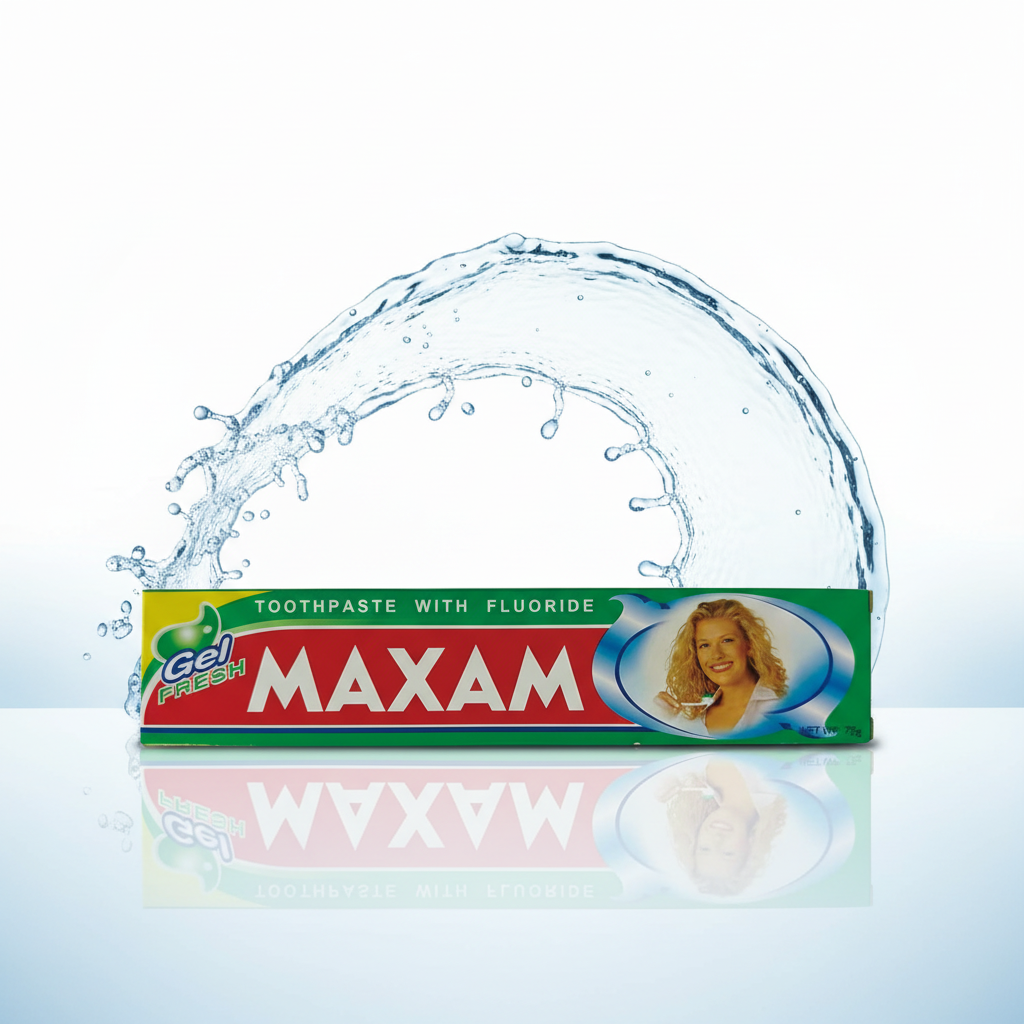
Z siedzibą w Szanghaju i ponad 30-letnim doświadczeniem w ekспорcie, MAXAM jest wiodącym chińskim producentem środków do opieki jamy ustnej, specjalizującym się w pastach do zębów o udowodnionej skuteczności w zakresie wybielania, ochrony przed próchnicą oraz łagodzenia nadwrażliwości. Certyfikowany przez GMPC, BRC oraz HALAL.
Dołącz do naszej listy e-mail, aby uzyskać porady i przydatne informacje.


