 EN


Tooth sensitivity affects millions of people worldwide, causing discomfort during eating, drinking, and daily oral hygiene routines. Selecting the right sensitive toothpaste is one of the most effective ways to manage this condition and restore comfort to your dental experience. However, not all sensitive toothpaste products are created equal, and understanding the key factors that differentiate quality formulations can help you make an informed decision that truly addresses your needs.
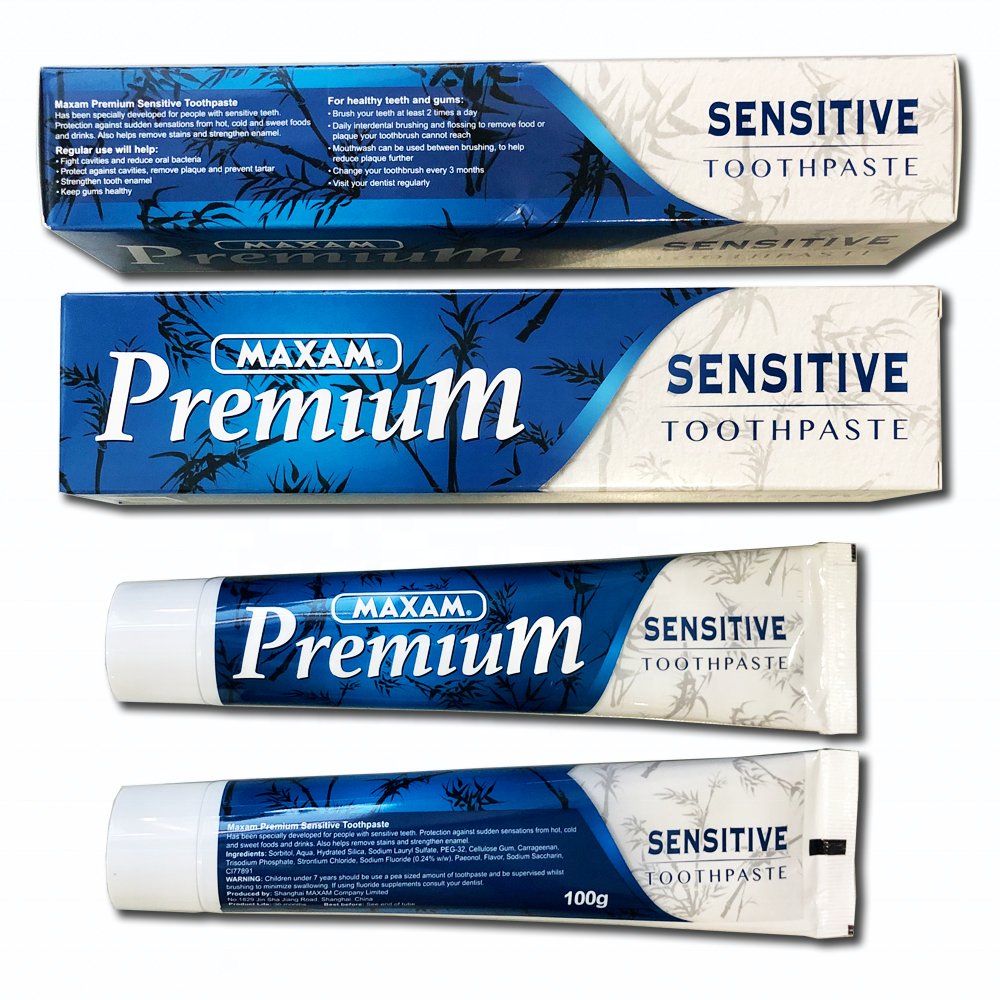
Tooth sensitivity typically develops when the protective enamel layer weakens or gum recession exposes the underlying dentin, which contains microscopic tubules leading to the nerve. A well-formulated sensitive toothpaste works by either blocking these tubules with desensitizing agents or by reducing inflammation in the gum tissue. The effectiveness of any sensitive toothpaste depends on multiple factors including its active ingredients, potassium or strontium content, fluoride concentration, and overall formulation quality. This guide explores the critical factors you should evaluate when choosing sensitive toothpaste to ensure maximum relief and long-term dental health.
Potassium nitrate is one of the most widely recognized active ingredients in sensitive toothpaste formulations. This ingredient works by blocking the transmission of sensation from the tooth surface to the nerve, providing relief from sensitivity pain. When you use sensitive toothpaste containing potassium nitrate regularly, the compound accumulates in the dentin tubules over time, creating a desensitizing effect that typically becomes noticeable after two to three weeks of consistent use. The concentration of potassium nitrate matters significantly, and effective sensitive toothpaste products typically contain between 5 and 10 percent potassium nitrate to deliver measurable results.
Some sensitive toothpaste brands utilize strontium chloride or strontium acetate as their primary desensitizing agent. This approach offers an alternative mechanism, as strontium works by forming a protective layer over the exposed dentin surfaces rather than blocking nerve signals directly. When evaluating sensitive toothpaste options, understanding whether a formula uses potassium-based or strontium-based technology helps you determine which approach may work best for your specific sensitivity pattern. Both technologies have demonstrated clinical efficacy, and your choice of sensitive toothpaste may depend on personal preference or prior experience with either ingredient type.
Fluoride concentration is a critical factor when choosing sensitive toothpaste, as it serves a dual purpose of protecting weakened enamel and supporting remineralization. Standard sensitive toothpaste products typically contain fluoride levels ranging from 1000 to 1500 parts per million, which provides adequate protection for daily use. Higher fluoride concentrations, sometimes found in prescription-strength sensitive toothpaste, may be recommended by dentists for severe sensitivity cases where over-the-counter options prove insufficient. When selecting sensitive toothpaste, verify that the fluoride content meets established dental health standards while balancing desensitizing efficacy with enamel fortification.
Premium sensitive toothpaste formulations often include additional protective minerals such as calcium, phosphate compounds, or nano-hydroxyapatite technology. These ingredients work synergistically with fluoride to strengthen enamel and create protective barriers over exposed dentin surfaces. When evaluating sensitive toothpaste products, look for formulations that combine multiple protective mechanisms rather than relying on a single active ingredient. This layered approach ensures that your sensitive toothpaste not only alleviates immediate sensitivity but also addresses underlying enamel damage and promotes long-term dental strength.
The abrasive index of sensitive toothpaste is an often-overlooked factor that significantly impacts its suitability for sensitive teeth. Products specifically formulated as sensitive toothpaste should have lower abrasiveness ratings to avoid further enamel erosion or gum irritation. The Relative Dentin Abrasivity scale measures how aggressively a toothpaste polishes tooth surfaces, and effective sensitive toothpaste typically scores between 40 and 70 on this scale. Choosing a low-abrasion sensitive toothpaste ensures that your desensitizing treatment simultaneously protects remaining enamel and prevents additional sensitivity triggers from developing.
A neutral or slightly alkaline pH is essential when selecting sensitive toothpaste, as acidic formulations can weaken enamel and exacerbate sensitivity. Professional-grade sensitive toothpaste maintains pH levels between 6.5 and 7.5 to support both tooth and gum health. Many advanced sensitive toothpaste formulations include ingredients like sodium bicarbonate or calcium compounds that help stabilize pH while enhancing the desensitizing effect. When comparing sensitive toothpaste options, products with balanced pH and gum-supporting ingredients offer superior overall oral health benefits beyond simple sensitivity relief.
The severity of your tooth sensitivity should guide your choice of sensitive toothpaste product. Mild to moderate sensitivity typically responds well to standard over-the-counter sensitive toothpaste formulations containing either potassium or strontium. For severe or persistent sensitivity, you may benefit from prescription-strength sensitive toothpaste or products specifically formulated by dental professionals. Before selecting a sensitive toothpaste, consider discussing your symptoms with your dentist to rule out underlying conditions such as decay or gum disease that may require additional treatment beyond sensitive toothpaste use.
Consistent daily use is essential for sensitive toothpaste to deliver meaningful results, as the desensitizing effect builds over time rather than providing immediate relief. Most people notice significant improvement when using quality sensitive toothpaste for at least two to three weeks as an integral part of their oral care routine. The best sensitive toothpaste for your situation combines proven desensitizing technology with complementary ingredients that support overall dental health. Maintaining consistency with your chosen sensitive toothpaste and complementing it with proper brushing technique and regular flossing maximizes the benefits you receive from your desensitizing formula.
Most quality sensitive toothpaste products require consistent use for two to three weeks before noticeable relief from tooth sensitivity becomes apparent. The desensitizing agents in sensitive toothpaste work gradually to block tubules and reduce inflammation, so patience and adherence to daily use are essential. Some individuals may experience faster results with premium sensitive toothpaste formulations, while others require longer periods to achieve full sensitivity reduction.
While sensitive toothpaste effectively manages mild to moderate sensitivity, it cannot replace professional dental care for severe cases or sensitivity caused by decay, gum disease, or other underlying conditions. Your dentist may recommend sensitive toothpaste as part of a comprehensive treatment plan that might also include professional fluoride applications, gum grafting, or other interventions. Always consult with your dental professional to determine whether sensitive toothpaste alone is appropriate for your situation or if additional treatments are necessary.
When selecting sensitive toothpaste, avoid products with high abrasiveness ratings, acidic formulations, or harsh whitening agents that can further damage enamel. Avoid sensitive toothpaste containing sodium lauryl sulfate if you have gum irritation, as this ingredient can increase inflammation. Additionally, steer clear of sensitive toothpaste with high alcohol content or artificial dyes that may irritate sensitive gum tissue, and prioritize formulations specifically designed with gentle, restorative ingredients.

Based in Shanghai with 30+ years of export experience, MAXAM is a premier oral care manufacturer specializing in efficacy-driven toothpaste for whitening, cavity protection, and sensitivity. Certified by GMPC, BRC, and HALAL.
Join our email list for tips and useful information.


