 EN


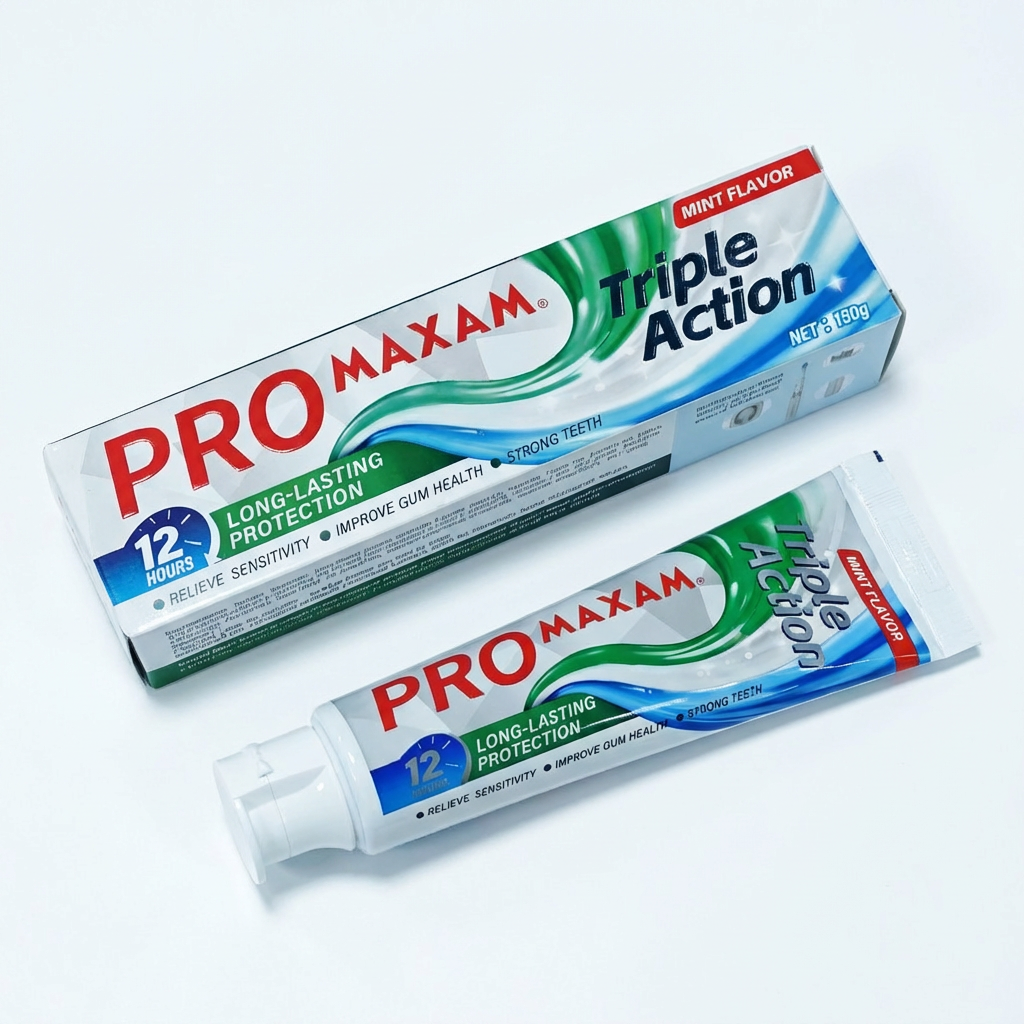
Tooth sensitivity affects millions of people worldwide, causing sharp pain when consuming hot, cold, or acidic foods and beverages. Many individuals turn to sensitive toothpaste as their first line of defense against this discomfort. Understanding the active ingredients that make sensitive toothpaste effective is essential for anyone seeking relief from dental sensitivity and maintaining long-term oral health.

Sensitive toothpaste formulations differ significantly from standard toothpastes because they target the root cause of tooth sensitivity. Unlike regular toothpastes that simply clean teeth, sensitive toothpaste contains specialized active ingredients designed to block pain signals and protect exposed dentin. This distinction makes sensitive toothpaste an effective solution for individuals experiencing tooth sensitivity triggered by temperature changes, pressure, or acidic exposure.
Potassium nitrate stands as one of the most widely used active ingredients in sensitive toothpaste formulations. This compound works by penetrating the tooth structure and blocking neural transmission pathways that carry sensitivity signals to the tooth nerve. When used consistently in sensitive toothpaste, potassium nitrate typically requires two to three weeks of regular application before delivering noticeable relief from tooth sensitivity. The effectiveness of potassium nitrate in sensitive toothpaste has been validated through numerous clinical studies demonstrating significant reduction in sensitivity pain scores among regular users.
The concentration of potassium nitrate in sensitive toothpaste products typically ranges from five to ten percent, allowing for optimal desensitization without causing irritation to soft tissues. Sensitive toothpaste containing this ingredient addresses the problem at its source by gradually desensitizing nerve endings within the tooth structure. Many professionals recommend sensitive toothpaste with potassium nitrate as a first-line treatment option for individuals experiencing mild to moderate sensitivity issues.
Strontium chloride and strontium acetate represent alternative desensitizing agents found in certain sensitive toothpaste formulations. These compounds work by forming protective barriers over exposed dentin tubules, the microscopic channels that lead directly to tooth nerves. Sensitive toothpaste containing strontium compounds provides faster relief for some individuals compared to potassium nitrate, sometimes showing effectiveness within one week of regular use. The mechanism differs slightly from potassium nitrate, making sensitive toothpaste with strontium compounds an excellent alternative for those who do not respond adequately to other desensitizing agents.
Fluoride serves as a critical protective ingredient in most sensitive toothpaste products, strengthening enamel and reducing overall tooth vulnerability. This mineral works synergistically with desensitizing agents to provide comprehensive protection against sensitivity triggers. Sensitive toothpaste containing fluoride delivers dual benefits by addressing existing sensitivity while preventing future enamel degradation. The fluoride component in sensitive toothpaste typically comprises between 1000 and 1500 parts per million, equivalent to standard fluoridated toothpastes available in dental markets.
The interaction between fluoride and desensitizing ingredients in sensitive toothpaste creates a more effective overall formula than either component alone. Regular use of sensitive toothpaste with adequate fluoride concentration strengthens the protective enamel layer and reduces the progression of enamel erosion. For individuals with moderate sensitivity caused by enamel wear, sensitive toothpaste with fluoride addresses both the immediate discomfort and the underlying structural vulnerability contributing to sensitivity.
Advanced sensitive toothpaste formulations increasingly include calcium and phosphate-based compounds that promote remineralization of damaged enamel. These ingredients work to rebuild weakened enamel surfaces where sensitivity typically originates. Sensitive toothpaste containing bioavailable calcium and phosphate compounds addresses sensitivity by restoring the tooth's natural mineral content. This remineralizing approach in sensitive toothpaste provides long-term protection by strengthening the tooth structure rather than merely masking discomfort symptoms.
Arginine, an amino acid, has emerged as an effective ingredient in premium sensitive toothpaste formulations designed to naturally occlude dentin tubules. Sensitive toothpaste containing arginine works by depositing arginine and calcium on exposed dentin surfaces, creating a protective seal. This natural approach to sensitive toothpaste formulation appeals to consumers seeking gentler alternatives without sacrificing effectiveness. Clinical evidence demonstrates that sensitive toothpaste with arginine achieves comparable or superior results to traditional potassium nitrate formulations in many sensitivity cases.
Premium sensitive toothpaste products often combine arginine with other natural ingredients to enhance overall efficacy and consumer appeal. The use of arginine in sensitive toothpaste represents a shift toward scientifically validated natural compounds that deliver measurable results. For individuals preferring naturally derived sensitive toothpaste options, arginine-based formulations provide legitimate clinical effectiveness backed by peer-reviewed research.
The abrasive composition within sensitive toothpaste requires careful balance between cleaning effectiveness and tooth protection. High-abrasive sensitive toothpaste can paradoxically worsen sensitivity by further wearing enamel, particularly for individuals with existing enamel erosion. Effective sensitive toothpaste formulations use low-abrasion materials that clean teeth without contributing to enamel degradation. The relative dentin abrasivity rating of sensitive toothpaste should ideally fall below 70 RDA units to avoid additional enamel damage during routine brushing.
Gentle formulation is essential in sensitive toothpaste products specifically marketed for damaged or compromised teeth. Sensitive toothpaste manufacturers have responded to this need by developing advanced abrasive systems that achieve superior cleaning with minimal abrasive action. Choosing sensitive toothpaste with appropriate abrasive levels ensures users gain sensitivity relief without inadvertently causing further damage through overly aggressive formulations.
Most sensitive toothpaste products show measurable improvement within two to three weeks of consistent use, though some individuals notice relief within days depending on the active ingredients and sensitivity severity. Potassium nitrate-based sensitive toothpaste typically requires longer periods for full effectiveness compared to strontium-based sensitive toothpaste. Consistent daily use of sensitive toothpaste is critical for achieving and maintaining relief from tooth sensitivity symptoms.
While sensitive toothpaste cannot restore permanently lost enamel, remineralizing formulations can strengthen existing enamel and may reverse early microscopic damage. Sensitive toothpaste with calcium and phosphate compounds helps restore mineral density in weakened enamel areas. For advanced enamel erosion, sensitive toothpaste serves as a preventive and protective measure rather than a complete reversal solution, making professional dental evaluation important for severe cases.
Yes, sensitive toothpaste is formulated for daily use and contains no ingredients that cause harm with regular application. Sensitive toothpaste products meet regulatory standards for safety and efficacy when used as directed. Most dental professionals recommend daily sensitive toothpaste use for individuals experiencing ongoing tooth sensitivity, combining it with proper brushing techniques and enamel-protective practices.

Based in Shanghai with 30+ years of export experience, MAXAM is a premier oral care manufacturer specializing in efficacy-driven toothpaste for whitening, cavity protection, and sensitivity. Certified by GMPC, BRC, and HALAL.
Join our email list for tips and useful information.


