EN
EN


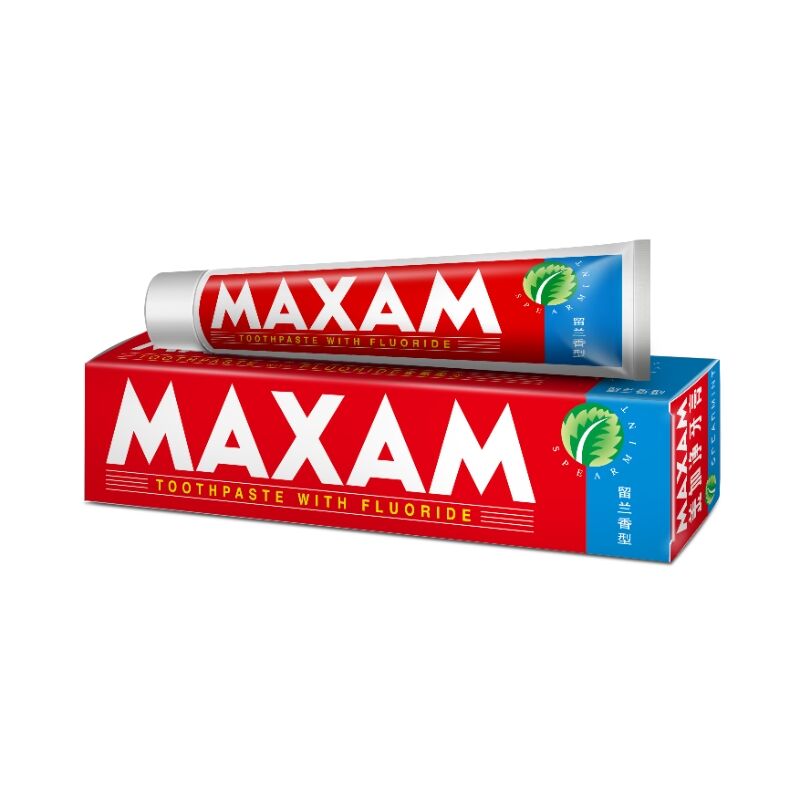
Choosing the right oral care product is more than just a matter of aesthetics; it is a commitment to long-term dental health. For many, the journey to a brighter smile begins with finding the best teeth whitening toothpaste that balances effective stain removal with enamel protection. Unlike professional clinical treatments that often involve high-intensity light and concentrated bleaching gels, daily whitening toothpastes offer a progressive, non-invasive alternative. Understanding the factors that influence these results—ranging from chemical synergy to physical abrasivity—is essential for any consumer looking to optimize their daily routine.
The most significant factor in determining the efficacy of a whitening toothpaste is its Relative Dentin Abrasivity (RDA) level. While a toothpaste must possess a degree of "grit" to physically lift extrinsic stains caused by coffee, tea, or red wine, excessive abrasiveness can lead to permanent enamel wear. The best teeth whitening products utilize high-quality polishing agents like hydrated silica or calcium carbonate. These ingredients are meticulously engineered to be fine enough to remove surface-level debris without causing micro-scratches on the tooth’s protective layer.
Enamel is the hardest substance in the human body, but once it is worn down, it cannot regenerate. A superior whitening toothpaste will therefore combine these polishing agents with remineralizing components such as fluoride or hydroxyapatite. This ensures that while the surface is being cleaned, the underlying structure is being reinforced. This balance is particularly crucial for individuals with naturally thin enamel or those who experience tooth sensitivity, as it allows for gradual brightening without the sharp "zingers" often associated with more aggressive bleaching methods.
| Factor Category | Daily Whitening Toothpaste | Professional Clinical Bleaching |
| Primary Mechanism | Mechanical Polishing & Chemical Prevention | Deep-Tissue Oxidation (Bleaching) |
| Main Ingredients | Hydrated Silica, Pyrophosphates, Fluoride | 25% - 40% Hydrogen Peroxide |
| Ideal For | Surface Stains & Maintenance | Intrinsic Yellowing & Deep Stains |
| Safety Profile | High; Designed for Twice-Daily Use | High; But requires professional monitoring |
| Result Timeline | 2 to 4 Weeks of Consistent Use | Immediate (Same-day results) |
Beyond simple mechanical scrubbing, the chemical composition of a toothpaste determines how effectively it can tackle stubborn pigments. The best teeth whitening solutions often incorporate phosphate technologies, such as sodium hexametaphosphate or pyrophosphates. These ingredients act as "stain-shielding" agents; they work by breaking the chemical bonds of existing stains and forming a transparent barrier on the enamel surface. This barrier prevents new chromogens—the colored molecules found in food—from adhering to the teeth throughout the day.
For deeper-reaching results, some advanced daily toothpastes include low concentrations of stabilized peroxide. While the percentage is much lower than what a dentist might use, the cumulative effect of brushing twice daily allows these oxygenating molecules to penetrate the porous enamel slightly. This process breaks down complex organic stains that have settled just beneath the surface. When paired with enzymes like papain or bromelain, which specifically target protein-based stains, the result is a comprehensive cleaning action that addresses both the appearance and the health of the dentition.
The effectiveness of any whitening toothpaste is ultimately governed by the consistency of the user. Unlike a one-time clinical visit, toothpaste-based whitening is a marathon, not a sprint. To achieve the best teeth whitening outcome, the toothpaste must remain in contact with the enamel for at least two minutes during each session. This "dwell time" allows the active chemical agents to react and the polishing agents to adequately disrupt the biofilm. Furthermore, lifestyle habits—such as the frequency of smoking or the consumption of highly acidic beverages—will dictate how hard the toothpaste has to work to maintain a bright shade.
Interestingly, many premium toothpastes now utilize optical brighteners to provide an immediate visual boost while the long-term chemical agents do their work. Technologies like blue covarine deposit a thin, temporary blue-tinted film over the teeth. Because blue is the complementary color to yellow on the color spectrum, this creates an instant optical illusion of whiter teeth. While this effect is temporary and washes away with eating, it provides the immediate gratification many users desire, encouraging them to stick with their whitening regimen until the more permanent results of the silica and phosphates become visible.
Can whitening toothpaste remove stains from smoking or heavy coffee drinking?
Yes, whitening toothpastes are specifically designed to target extrinsic stains caused by tobacco and dark-pigmented drinks. By using a combination of mild abrasives and chemical dissolvers like pyrophosphates, these products can effectively lift surface yellowing. However, for stains that have been present for many years, it may take several weeks of consistent use to see a significant transformation.
Is it safe to use a whitening toothpaste if I have sensitive teeth?
Most modern whitening toothpastes are formulated to be safe for daily use, but individuals with sensitivity should look for products containing potassium nitrate or stannous fluoride. These ingredients help block the pathways to the nerves, allowing you to enjoy the benefits of whitening without discomfort. It is also advisable to choose a formula with a low RDA (Relative Dentin Abrasivity) score to ensure your enamel remains thick and healthy.
Will whitening toothpaste change the color of my dental crowns or fillings?
No, whitening agents—including those in the most advanced toothpastes—only affect natural tooth enamel. Porcelain crowns, veneers, and composite resin fillings are non-porous and will not change color. However, whitening toothpaste is excellent for keeping these restorations clean and free of surface stains, which helps them blend in more seamlessly with your natural, brightened teeth.
Why does my toothpaste have a "blue" tint, and does it actually whiten?
The blue tint often comes from optical brighteners like blue covarine. This does not "whiten" the tooth in a permanent chemical sense; instead, it uses color-correction science to mask yellow tones instantly. It is a safe way to achieve a brighter look immediately while the other active ingredients in the toothpaste work on removing the actual stains over time.

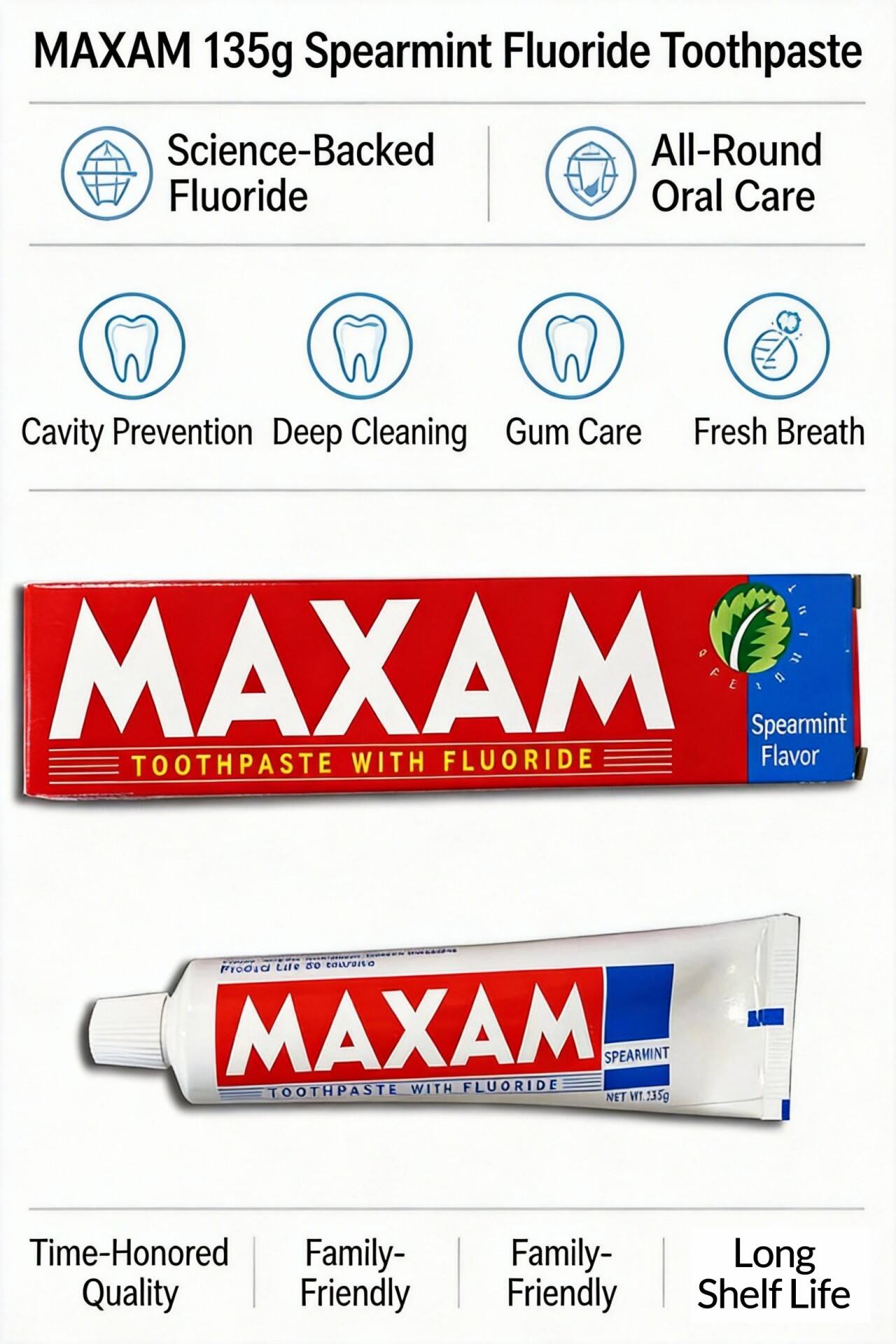
Based in Shanghai with 30+ years of export experience, MAXAM is a premier oral care manufacturer specializing in efficacy-driven toothpaste for whitening, cavity protection, and sensitivity. Certified by GMPC, BRC, and HALAL.
Join our email list for tips and useful information.