EN
EN


When considering professional or at-home dental brightening solutions, understanding what defines exceptional quality and realistic outcomes becomes essential for making informed decisions. The best teeth whitening treatments combine scientifically validated active ingredients, appropriate concentration levels, safe application protocols, and predictable results that address various types of discoloration without compromising enamel integrity or causing excessive sensitivity. Whether you're exploring clinical procedures performed by dental professionals or high-quality consumer products designed for home use, knowing the benchmarks of superior whitening treatments helps you identify options that deliver genuine value rather than empty marketing promises. This comprehensive guide explores the specific characteristics, performance standards, safety protocols, and realistic expectations associated with top-tier teeth whitening solutions across different treatment categories and application contexts.
Effective dental brightening extends beyond simply achieving whiter shades temporarily; it requires formulations that penetrate enamel safely, break down chromogenic compounds responsible for staining, maintain results over extended periods, and protect tooth structure throughout the whitening process. The best teeth whitening treatments incorporate carefully balanced active agents such as hydrogen peroxide or carbamide peroxide at concentrations proven through clinical research to optimize efficacy while minimizing adverse effects. Additionally, premium whitening solutions often include remineralizing components, desensitizing agents, and pH-balanced delivery systems that support overall oral health rather than sacrificing it for cosmetic improvement. Understanding these foundational quality markers enables consumers and dental patients to distinguish between superficial whitening products that provide minimal lasting benefit and genuinely effective treatments backed by dental science and rigorous safety testing.
The foundation of any superior whitening treatment lies in its active bleaching agent, with hydrogen peroxide and carbamide peroxide representing the two clinically validated options proven to deliver authentic color change. Hydrogen peroxide works directly as an oxidizing agent that penetrates enamel and dentin layers to break down complex stain molecules into smaller, less pigmented compounds. Professional in-office treatments typically utilize hydrogen peroxide concentrations ranging from fifteen to forty percent, applied under controlled conditions with protective barriers for surrounding soft tissues. These higher concentrations enable rapid whitening within single appointments, often producing noticeable shade improvements of several tones within sixty to ninety minutes. The best teeth whitening treatments at this professional level incorporate light-activation systems or heat catalysts that enhance peroxide activity without requiring excessive concentration increases, thereby reducing sensitivity risks while maximizing color change efficiency.
Carbamide peroxide serves as a precursor compound that breaks down into hydrogen peroxide and urea when applied to tooth surfaces, releasing active bleaching agents gradually over extended periods. This slower-release mechanism makes carbamide peroxide particularly suitable for at-home whitening systems designed for overnight or extended-wear applications. Professional take-home kits prescribed by dentists typically contain carbamide peroxide concentrations between ten and twenty-two percent, equivalent to approximately three to eight percent hydrogen peroxide once conversion occurs. Consumer-grade whitening products available without prescription generally feature lower carbamide peroxide concentrations, usually between six and ten percent, providing gentler whitening action with reduced sensitivity potential. The best teeth whitening treatments using carbamide peroxide balance concentration levels with application duration to achieve cumulative whitening effects that rival in-office procedures when used consistently over two to four weeks, while maintaining superior comfort and convenience for users with busy schedules or mild sensitivity concerns.
Beyond concentration percentages, the stability and delivery mechanism of whitening agents critically determine treatment effectiveness and safety profiles. Hydrogen peroxide naturally degrades when exposed to light, heat, and environmental contaminants, losing potency rapidly if not properly formulated and packaged. Premium whitening products incorporate stabilizing agents such as phosphoric acid or proprietary polymer matrices that preserve peroxide activity throughout shelf life and during application periods. Single-use packaging systems, light-protective containers, and individually sealed applicators represent quality indicators that ensure users receive full-strength active ingredients rather than degraded formulations with diminished whitening capacity. The best teeth whitening treatments employ pharmaceutical-grade peroxide sources with documented purity standards and batch testing protocols that verify consistent concentration levels across production runs.
Delivery system design significantly impacts how effectively whitening agents contact tooth surfaces and penetrate enamel structures. Custom-fitted trays fabricated from dental impressions provide superior contact and retention compared to one-size-fits-all boil-and-bite trays or generic strips that may leave gaps or slip during wear. Gel viscosity formulations designed to adhere to tooth surfaces without excessive flow prevent active ingredients from washing away prematurely or irritating gum tissues through uncontrolled migration. Advanced delivery systems incorporate mucoadhesive polymers that maintain gel positioning throughout treatment sessions, ensuring consistent exposure across all visible tooth surfaces. Strip-based whitening products utilize flexible polymer films engineered to conform to tooth contours while preventing saliva dilution of active ingredients, though their effectiveness remains somewhat limited compared to custom tray systems for comprehensive coverage. When evaluating whitening options, understanding these delivery mechanism differences helps identify treatments most likely to produce uniform, predictable results rather than patchy or inconsistent whitening patterns that require additional corrective treatments.
Tooth sensitivity represents the most common adverse effect associated with whitening treatments, resulting from peroxide penetration into dentin tubules that communicate with nerve structures within dental pulp. The best teeth whitening treatments incorporate multiple strategies to minimize sensitivity while maintaining whitening efficacy, beginning with appropriate concentration selection based on individual patient profiles and baseline sensitivity levels. Pre-treatment protocols often include two weeks of desensitizing toothpaste use containing potassium nitrate or stannous fluoride, which helps block dentin tubules and reduce nerve responsiveness before bleaching agents are introduced. During treatment phases, premium whitening systems may include potassium nitrate or fluoride directly within whitening gel formulations, providing simultaneous desensitization during the bleaching process rather than requiring separate preparatory steps.
Application timing modifications offer additional sensitivity control without sacrificing whitening outcomes. Rather than continuous overnight wear, many dental professionals recommend shorter initial application periods of thirty to sixty minutes, gradually increasing duration as tolerance develops. Alternating treatment days instead of consecutive daily applications allows dentin tubules to recover between whitening sessions, reducing cumulative sensitivity buildup while still achieving desired shade improvements over slightly extended timeframes. For patients with persistent sensitivity concerns, lower-concentration formulations applied over longer total treatment periods often produce equivalent final results compared to higher-concentration rapid protocols, simply redistributing the same total peroxide exposure across more sessions with reduced intensity per application. The best teeth whitening treatments provide flexible protocols adaptable to individual tolerance levels rather than rigid one-size-fits-all regimens that may prove uncomfortable for sensitivity-prone patients.
Maintaining enamel structure throughout whitening treatments represents a critical quality marker distinguishing superior products from those that prioritize rapid color change at the expense of long-term dental health. While properly formulated peroxide-based whitening does not permanently damage enamel, temporary surface changes including increased porosity and reduced microhardness can occur during active treatment phases. Premium whitening systems address these transient effects through inclusion of remineralizing agents such as calcium phosphate compounds, fluoride ions, or amorphous calcium phosphate complexes that promote enamel repair and strengthen tooth surfaces during and after whitening procedures. These protective ingredients help restore mineral density in enamel crystal structures that may experience temporary demineralization from peroxide exposure, ensuring teeth emerge from whitening treatments with maintained or even enhanced structural integrity.
pH buffering systems represent another crucial safety feature in high-quality whitening formulations, as acidic environments accelerate enamel erosion and increase sensitivity risks. The best teeth whitening products maintain near-neutral pH levels between six and eight, utilizing buffering agents that prevent acidic conditions from developing as peroxide breaks down. Some advanced formulations incorporate hydroxyapatite nanoparticles that biomimetically repair microscopic enamel defects while whitening proceeds, effectively combining cosmetic improvement with protective therapy. Post-treatment protocols recommended by dental professionals typically include fluoride varnish applications or high-concentration fluoride gel use to further strengthen enamel and reduce sensitivity following whitening completion. Comprehensive treatment plans that integrate these protective measures demonstrate commitment to patient safety and long-term oral health rather than focusing solely on immediate aesthetic results, distinguishing truly superior whitening approaches from minimal-quality alternatives.
Understanding realistic whitening outcomes helps set appropriate expectations and select treatments aligned with individual aesthetic goals. Professional in-office whitening procedures typically produce the most dramatic results within the shortest timeframes, with average shade improvements ranging from two to eight shades on standardized dental color scales when measured immediately post-treatment. These rapid results reflect high-concentration peroxide application under controlled clinical conditions, though final stabilized shade typically settles approximately one to two shades darker than immediate post-treatment appearance once teeth rehydrate over the following forty-eight hours. The best teeth whitening treatments at professional in-office level achieve consistent results across diverse patient populations while minimizing the common rebound darkening effect through proper hydration management and post-treatment care protocols that support color stability during the critical first week following treatment.
Professional take-home whitening systems prescribed by dentists generally produce comparable total shade improvement to in-office treatments but distribute the whitening process over two to four weeks of nightly applications. Cumulative results typically range from four to six shades lighter after completing recommended treatment cycles, with more gradual color change reducing sensitivity risks and allowing patients to control final shade by discontinuing treatment once desired brightness is achieved. Over-the-counter whitening products available without prescription produce more modest improvements, generally ranging from one to three shades lighter after completing manufacturer-recommended treatment periods of seven to fourteen days. While less dramatic than professional options, these consumer products provide accessible whitening solutions for individuals with mild discoloration or those seeking subtle enhancement rather than transformation. Realistic expectation setting based on treatment category prevents disappointment and helps users select appropriate products matched to their specific whitening goals and baseline tooth color characteristics.
Not all tooth discoloration responds equally to bleaching treatments, making stain type assessment crucial for predicting whitening outcomes. Extrinsic stains caused by dietary chromogens from coffee, tea, red wine, and tobacco accumulate on enamel surfaces and within acquired pellicle layers, responding extremely well to both professional cleaning and whitening treatments. These surface-level discolorations typically show rapid improvement within initial treatment sessions, often producing noticeable brightness enhancement after just one or two applications. Intrinsic discoloration originating within dentin structures from factors including tetracycline medication exposure, fluorosis, or age-related yellowing presents greater whitening challenges, requiring extended treatment periods and potentially showing more limited final improvement. The best teeth whitening treatments demonstrate effectiveness against both extrinsic and mild to moderate intrinsic staining, though severely discolored teeth from systemic causes may require alternative cosmetic solutions including veneers or bonding for optimal aesthetic correction.
Gray-toned discoloration resulting from tetracycline staining or dental trauma typically responds less predictably to whitening than yellow-brown staining patterns, sometimes requiring multiple treatment courses or combination approaches integrating both bleaching and restorative procedures. Individual biological variation in enamel thickness, density, and translucency also affects whitening responsiveness, with thinner enamel allowing more underlying dentin color to show through and potentially limiting achievable brightness regardless of treatment quality. Genetic factors influencing baseline tooth color mean that some individuals naturally possess whiter dental structures requiring minimal intervention to achieve attractive smiles, while others with inherently darker dentin may never achieve the same absolute shade level despite aggressive whitening efforts. Realistic treatment planning by dental professionals includes baseline assessment of discoloration type, severity, and likely responsiveness, allowing customized protocol selection that optimizes outcomes within biological constraints rather than pursuing unrealistic aesthetic targets that exceed whitening treatment capabilities.
Whitening treatment longevity varies significantly based on individual lifestyle factors, dietary habits, and oral hygiene practices, though general duration patterns provide useful planning guidance. Professional whitening results typically maintain peak brightness for approximately six months to two years before noticeable fade occurs, with most patients experiencing gradual color regression rather than sudden reversion to pre-treatment shades. This slow fade pattern reflects ongoing accumulation of new extrinsic staining from dietary sources and intrinsic yellowing from continued aging processes within dentin structures. The best teeth whitening treatments produce results that fade gracefully and gradually, allowing patients extended periods of satisfaction before requiring touch-up procedures rather than experiencing rapid color loss that necessitates frequent retreatment. Individual variation in result longevity depends heavily on exposure to staining agents, with heavy coffee or tobacco users typically seeing faster fade compared to individuals who limit chromogenic substance consumption.
Maintenance whitening protocols extend initial treatment results significantly when implemented consistently as part of ongoing oral care routines. Many dental professionals recommend periodic touch-up sessions using the same professional take-home system that produced initial results, typically applying whitening gel for one or two nights every three to six months. These brief maintenance applications refresh tooth brightness before significant discoloration accumulates, requiring far less intensive treatment than initial whitening courses while maintaining relatively stable shade appearance. Some patients successfully maintain results through exclusive use of whitening toothpaste containing low-concentration peroxide or abrasive polishing agents, though these daily-use products provide only superficial extrinsic stain removal rather than true bleaching effects. Realistic maintenance expectations recognize that whitening treatments produce temporary rather than permanent color changes, requiring ongoing commitment to preservation protocols for sustained aesthetic benefits rather than one-time solutions that produce lifelong results without additional intervention.
Dietary and behavioral modifications significantly impact whitening result longevity, with simple habit adjustments extending brightness duration substantially. Limiting consumption of heavily pigmented beverages including coffee, tea, red wine, and dark sodas reduces chromogen exposure that drives extrinsic stain formation, while consuming these drinks through straws further minimizes tooth surface contact. Rinsing thoroughly with water immediately after consuming staining foods or beverages helps wash away chromogenic compounds before they bind to enamel surfaces, providing simple stain prevention that requires no additional products or procedures. Tobacco cessation produces dramatic improvements in whitening result preservation, as tar and nicotine compounds generate particularly stubborn brown discoloration that rapidly negates bleaching treatment benefits.
Proper oral hygiene practices including twice-daily brushing and daily flossing remove surface debris and bacterial biofilms that contribute to staining and discoloration development. Using whitening toothpaste as part of regular hygiene routines provides gentle abrasive action that polishes away surface stains before they penetrate deeply into enamel structures, though these products should not replace periodic professional cleanings that remove calcified deposits and embedded pigmentation beyond home care capabilities. The best teeth whitening results occur when patients commit to comprehensive oral care approaches that integrate professional treatments with consistent home maintenance and lifestyle modifications that minimize re-staining factors. Dental professionals providing whitening services should counsel patients on these preservation strategies to optimize return on treatment investment and maintain satisfaction with aesthetic outcomes over extended periods rather than focusing exclusively on initial application procedures without addressing long-term maintenance requirements.
Not all individuals represent ideal candidates for teeth whitening treatments, making proper screening essential for safety and outcome satisfaction. Patients with healthy teeth and gums, realistic aesthetic expectations, and primarily extrinsic or mild intrinsic staining typically achieve excellent results with standard whitening protocols. Those with untreated dental decay, gum disease, exposed root surfaces, or significant enamel erosion require restorative treatment completion before initiating whitening procedures, as peroxide exposure to compromised dental structures can cause severe sensitivity, pulpal inflammation, or accelerated deterioration. Pregnant or nursing women should postpone elective whitening treatments until after breastfeeding completion, as insufficient safety data exists regarding peroxide exposure effects on fetal or infant development despite minimal systemic absorption from topical dental application.
Individuals with extensive restorative work including crowns, veneers, or tooth-colored fillings on visible tooth surfaces should understand that whitening treatments affect only natural tooth structure, potentially creating shade mismatches between bleached natural teeth and unaffected restorations. These patients may require restoration replacement following whitening completion to achieve uniform color appearance across their entire smile, adding significant cost and complexity beyond whitening treatment itself. The best teeth whitening candidates receive comprehensive dental examinations before treatment initiation, allowing identification of contraindications, discussion of realistic expectations, and development of customized protocols addressing individual clinical situations rather than applying standardized approaches without considering patient-specific factors that influence appropriateness, safety, and likely satisfaction with treatment outcomes.
Choosing between professional dental whitening services and consumer products requires careful consideration of multiple factors including budget constraints, desired result magnitude, timeline flexibility, and individual risk tolerance. Professional in-office treatments provide maximum shade improvement within minimal time, making them ideal for individuals seeking dramatic results before important events or those preferring dentist-supervised application for safety assurance. The significantly higher cost compared to consumer products reflects professional expertise, clinical-grade materials, protective protocols, and liability coverage included with dental office services. Professional take-home systems offer intermediate solutions combining dentist supervision with home-use convenience, providing custom-fitted trays and professional-strength whitening gels at lower cost than in-office procedures while delivering comparable results over slightly longer treatment periods.
Over-the-counter whitening products serve cost-conscious consumers with mild discoloration seeking modest improvement through convenient at-home application. While these products utilize similar active ingredients as professional options, lower concentrations and generic delivery systems typically produce more limited results requiring longer treatment periods for noticeable change. Quality variation among consumer products necessitates careful selection based on ingredient transparency, concentration disclosure, and third-party testing verification rather than marketing claims alone. The best teeth whitening approach for any individual depends on carefully weighing these considerations against personal priorities, dental health status, and realistic assessment of desired outcomes rather than automatically selecting the most aggressive or most affordable option without considering appropriateness for specific circumstances and goals. Consultation with dental professionals provides valuable guidance for making informed treatment selections that balance efficacy, safety, cost, and convenience factors according to individual priorities and clinical suitability profiles.
Professional in-office whitening treatments produce immediately visible results within sixty to ninety minutes, with final shade stabilizing over forty-eight hours as teeth rehydrate. Professional take-home systems typically require two to four weeks of nightly applications before achieving maximum whitening effect, with gradual improvement becoming noticeable after the first week of consistent use. The speed of visible change depends on baseline tooth color, staining severity, chosen treatment protocol, and individual biological response to bleaching agents.
Properly formulated whitening treatments using appropriate peroxide concentrations and application protocols do not cause permanent enamel damage when used according to professional recommendations. Temporary changes including increased porosity and slight surface softening may occur during active treatment but resolve completely within days to weeks following treatment completion. Overuse of whitening products, application of excessively high concentrations without professional supervision, or use on compromised teeth with existing enamel defects can potentially cause harm, emphasizing the importance of following manufacturer guidelines and seeking professional consultation before initiating whitening treatments.
Whitening response variability results from differences in stain type, enamel thickness, dentin translucency, and genetic tooth color characteristics. Yellow-toned discoloration from dietary staining responds most predictably to bleaching, while gray discoloration from tetracycline or trauma shows less consistent improvement. Thicker enamel provides more whitening potential as it contains greater chromophore concentration accessible to peroxide agents, while thin enamel reveals more underlying dentin color that limits achievable brightness regardless of treatment intensity. Individual genetic factors establish baseline tooth shade that determines maximum whitening potential, with some people naturally possessing whiter dental structures than others can achieve through any treatment approach.
Most patients require touch-up whitening applications every six to twelve months to maintain optimal brightness, though individual maintenance frequency varies based on dietary habits, oral hygiene practices, and natural aging processes. Patients who limit staining substance consumption and maintain excellent oral hygiene may extend touch-up intervals to every eighteen to twenty-four months, while heavy coffee drinkers or tobacco users may need more frequent maintenance every three to six months. Brief touch-up sessions using the original professional take-home system typically require only one or two nights of application rather than complete treatment course repetition, making maintenance relatively convenient and cost-effective compared to initial whitening procedures.

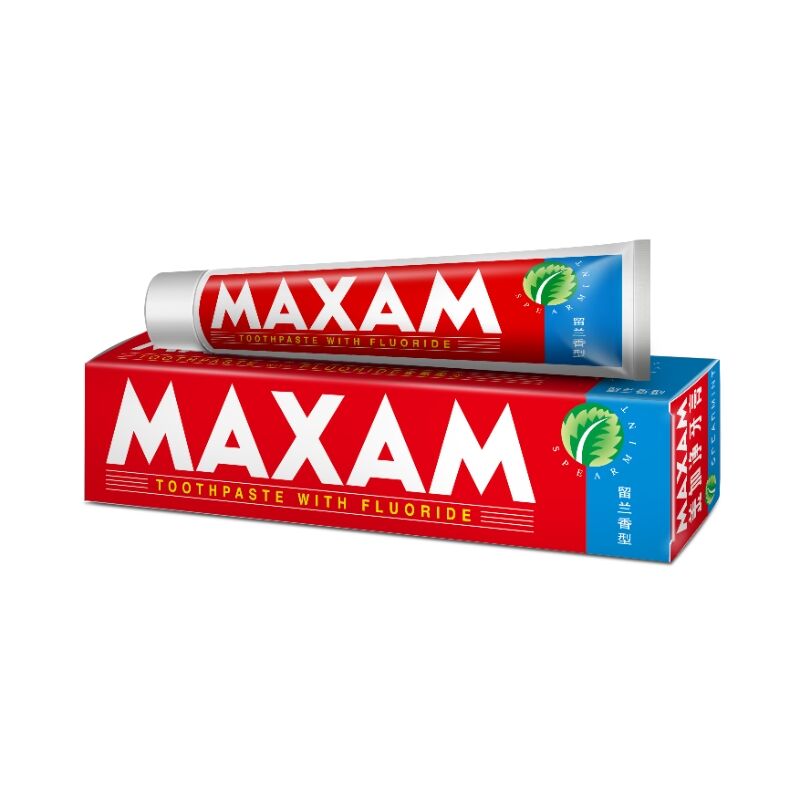
Based in Shanghai with 30+ years of export experience, MAXAM is a premier oral care manufacturer specializing in efficacy-driven toothpaste for whitening, cavity protection, and sensitivity. Certified by GMPC, BRC, and HALAL.
Join our email list for tips and useful information.