 EN
EN


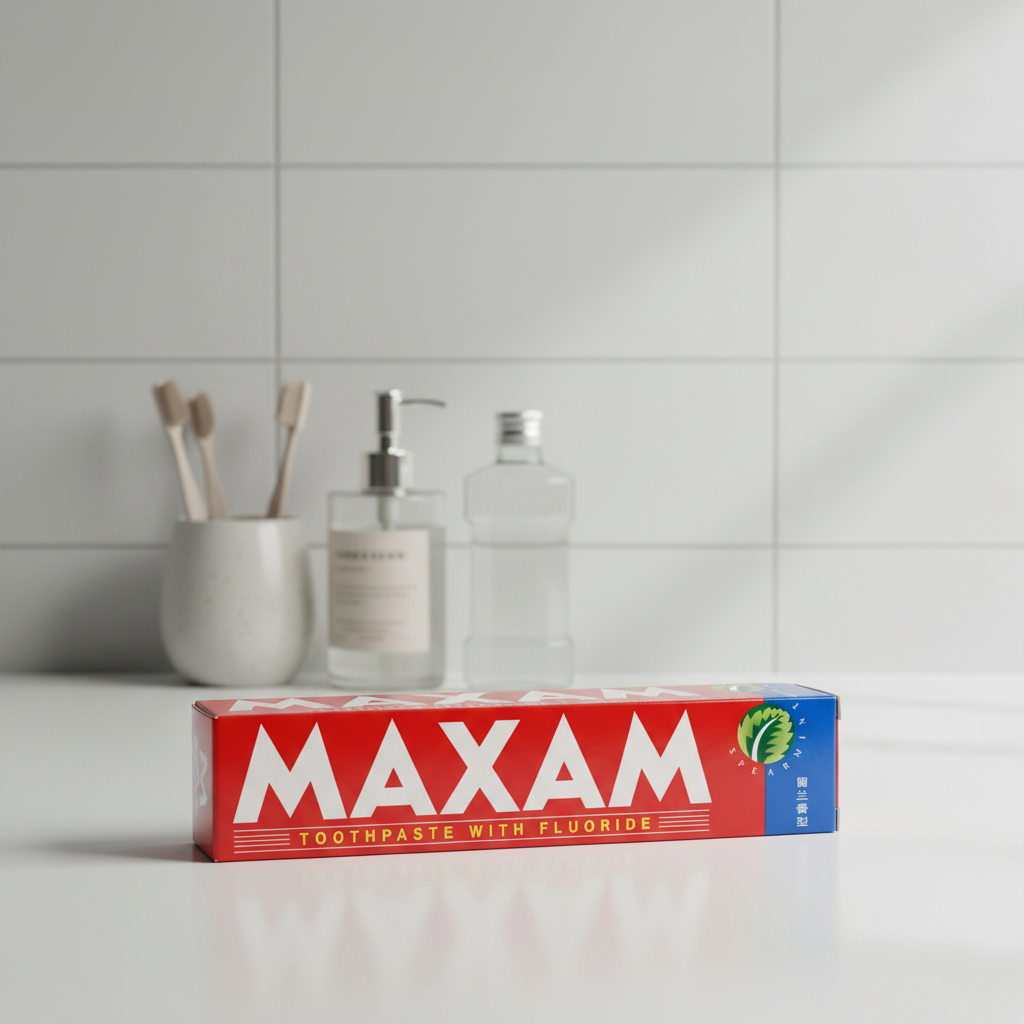
Deciding when to incorporate charcoal toothpaste into your oral care routine is not always straightforward. With so many dental products on the market, understanding the right timing, context, and conditions for using activated charcoal-based formulas can make a meaningful difference in your results. Whether you are dealing with surface staining, transitioning away from heavily pigmented foods, or simply exploring alternatives to conventional whitening products, knowing when this type of toothpaste is most appropriate helps you get the most out of it without unnecessary risk.

Charcoal toothpaste has gained significant traction in the oral care sector over the last several years, and for good reason. Activated charcoal is known for its adsorptive properties, meaning it can bind to certain compounds on the tooth surface and help lift them away. But like any specialized dental product, charcoal toothpaste performs best under specific conditions and is not ideally suited for every person or every daily routine. Understanding those conditions is the key to using it wisely and effectively.
One of the most practical moments to reach for charcoal toothpaste is after consuming foods and beverages known to stain teeth. Coffee, red wine, tea, berries, and dark sauces are among the most common culprits behind extrinsic tooth discoloration. When used shortly after these types of meals or drinks, charcoal toothpaste can help prevent surface stains from setting into the enamel over time.
This targeted use approach means you do not necessarily need to replace your regular toothpaste entirely. Instead, you can treat charcoal toothpaste as a strategic tool — something you rotate in at specific moments rather than every single brushing session. This kind of selective timing can reduce the risk of overuse while still delivering visible stain-fighting benefits.
It is worth noting that the timing window matters. Using charcoal toothpaste within an hour or two after staining consumption is generally more effective than waiting until the end of the day. Once pigments have had time to bond with the enamel surface, they become progressively harder to remove through mechanical brushing alone.
Many oral care users find that charcoal toothpaste works well as part of a short-term whitening phase rather than an ongoing daily habit. For example, if you have an upcoming event, a professional meeting, or simply want to refresh your smile after a period of heavy coffee or tea consumption, a dedicated two-to-four-week window of regular charcoal toothpaste use can produce noticeable improvements in surface brightness.
During this phase, it is advisable to monitor how your teeth and gums are responding. Charcoal toothpaste, when used thoughtfully and in moderation, should not cause sensitivity or visible enamel wear. However, extending the intensive use phase beyond what is necessary does not necessarily yield better results and may increase the likelihood of discomfort for individuals with naturally sensitive teeth.
After completing the short-term phase, transitioning back to a fluoride-rich everyday toothpaste while using charcoal toothpaste periodically for maintenance is a widely recommended approach among oral care professionals.
Charcoal toothpaste is most beneficial for people dealing with extrinsic staining — that is, discoloration that sits on the outer surface of the tooth rather than within the enamel structure itself. If your teeth have yellowed or grayed due to lifestyle factors like regular coffee drinking, smoking, or consumption of highly pigmented foods, charcoal toothpaste can be a sensible addition to your oral care toolkit.
In contrast, intrinsic discoloration — which originates from inside the tooth structure due to factors like medication use, trauma, or developmental conditions — does not typically respond to charcoal toothpaste. For these cases, professional dental treatment is usually more appropriate. Understanding the source of your discoloration is therefore an important first step before deciding whether charcoal toothpaste is the right product for your needs.
If you are unsure about the nature of your tooth discoloration, consulting with a dental professional before beginning a charcoal toothpaste regimen is always a reasonable precaution. This step ensures that you are choosing the right product for the right problem.
A growing segment of oral care consumers is drawn to charcoal toothpaste not purely for whitening purposes but for the perception of a more natural or minimally processed product. Activated charcoal is derived from materials like coconut shells or wood and is processed through heat activation rather than heavy chemical synthesis, which appeals to consumers who prefer ingredient transparency.
For adults who have moved away from heavily synthetic dental products and are looking for an alternative that still delivers on cleansing performance, charcoal toothpaste can serve as a satisfying middle ground. It provides the tactile experience of thorough cleaning while aligning with a preference for ingredients that feel more aligned with a natural wellness philosophy.
That said, the 'natural' framing should not be taken as a signal that charcoal toothpaste is free from all considerations. Any active ingredient, natural or otherwise, should be used according to its intended purpose and within recommended frequency guidelines.
If you are currently experiencing elevated tooth sensitivity — perhaps following a dental procedure, during the early stages of gum recession, or after prolonged exposure to acidic foods — charcoal toothpaste may not be the most suitable choice at that moment. The mild abrasive quality that makes charcoal toothpaste effective at removing surface stains can also be a source of discomfort for teeth that are already sensitized.
During these periods, pausing your charcoal toothpaste use and switching to a sensitivity-formulated product is the more supportive choice for your dental health. Once sensitivity has resolved and your enamel and gum condition has stabilized, you can consider reintroducing charcoal toothpaste in moderation.
Paying attention to how your teeth feel during and after brushing is one of the simplest self-assessment tools you have. If you notice an increase in sensitivity or discomfort coinciding with charcoal toothpaste use, treat that as a signal to reduce frequency or pause use temporarily.
Not all charcoal toothpaste formulations include fluoride, which is one of the most well-established minerals for protecting enamel against acid erosion and cavity formation. If your primary oral health concern is cavity prevention rather than stain removal, you should confirm whether your chosen charcoal toothpaste contains fluoride before making it your sole daily toothpaste.
For individuals in high-risk categories for tooth decay — including those with dry mouth, a history of frequent cavities, or dietary habits high in fermentable sugars — ensuring consistent fluoride intake through toothpaste is particularly important. In these cases, charcoal toothpaste is best used as a supplement rather than a full replacement for fluoride-containing products.
Reading the ingredient list carefully and, where necessary, consulting with your dentist about the fluoride content in your charcoal toothpaste is a small but important step that many users overlook. Getting this detail right can help you enjoy the benefits of charcoal toothpaste without compromising your broader enamel protection strategy.
The question of how often to use charcoal toothpaste is closely linked to the question of when to use it. For most adults without specific sensitivity concerns, using charcoal toothpaste two to three times per week is generally considered a balanced approach. This frequency allows the product to address surface stains progressively while limiting cumulative abrasive exposure to the enamel.
Daily use of charcoal toothpaste is not universally recommended, particularly for extended periods. While some premium charcoal toothpaste formulations are designed with gentler abrasivity levels that may support more frequent use, it is still advisable to alternate with a standard fluoride toothpaste on non-charcoal days. This alternating approach gives your enamel consistent mineral replenishment while still benefiting from the stain-removing properties of charcoal toothpaste.
Always follow the usage guidance provided on the specific charcoal toothpaste product you choose, as formulations can vary significantly in their abrasivity ratings and ingredient concentrations. A well-formulated product used at the right frequency will consistently outperform an excellent product used incorrectly.
Some oral care users find it helpful to think about charcoal toothpaste in terms of seasonal or situational cycles. For instance, during the summer months when social events, outdoor dining, and beverage consumption tend to increase, incorporating charcoal toothpaste more regularly can help manage the additional staining exposure that comes with an active lifestyle.
Similarly, after periods of illness during which dental hygiene routines may have been disrupted, or following a holiday season with heavier food and drink consumption, a brief concentrated phase of charcoal toothpaste use can help reset your smile and restore surface brightness before returning to a standard routine.
This situational mindset transforms charcoal toothpaste from a product you feel obligated to use daily into a proactive tool that you deploy with intention based on your lifestyle, schedule, and oral health goals. That kind of intentional use is ultimately what makes charcoal toothpaste most effective and most sustainable over the long term.
Daily use of charcoal toothpaste is not typically recommended for most people. While some specially formulated versions have lower abrasivity levels, using charcoal toothpaste every day over an extended period can potentially wear down enamel, especially for those with sensitive teeth or thin enamel. A rotation of two to three times per week is generally considered safer and still effective for surface stain management.
Not entirely. Many charcoal toothpaste products do not contain fluoride, which is essential for protecting teeth against decay and acid erosion. If your charcoal toothpaste does not include fluoride, it should be used alongside a fluoride-containing toothpaste rather than as a complete replacement. Always check the ingredient list of the specific product you are using.
Charcoal toothpaste is not the right choice when the source of discoloration is intrinsic rather than surface-level, when you are experiencing significant tooth sensitivity, or when cavity prevention is your primary concern and your product lacks fluoride. In these scenarios, consulting a dental professional and choosing a more appropriate product is the better path forward.
Results from charcoal toothpaste vary depending on the degree of staining, the frequency of use, and the specific formulation. Most users with mild to moderate surface staining begin to notice visible improvements within two to four weeks of consistent use at the recommended frequency. For more stubborn staining, a longer period or a combination approach with professional dental cleaning may be needed.

Based in Shanghai with 30+ years of export experience, MAXAM is a premier oral care manufacturer specializing in efficacy-driven toothpaste for whitening, cavity protection, and sensitivity. Certified by GMPC, BRC, and HALAL.
Join our email list for tips and useful information.


