 EN
EN


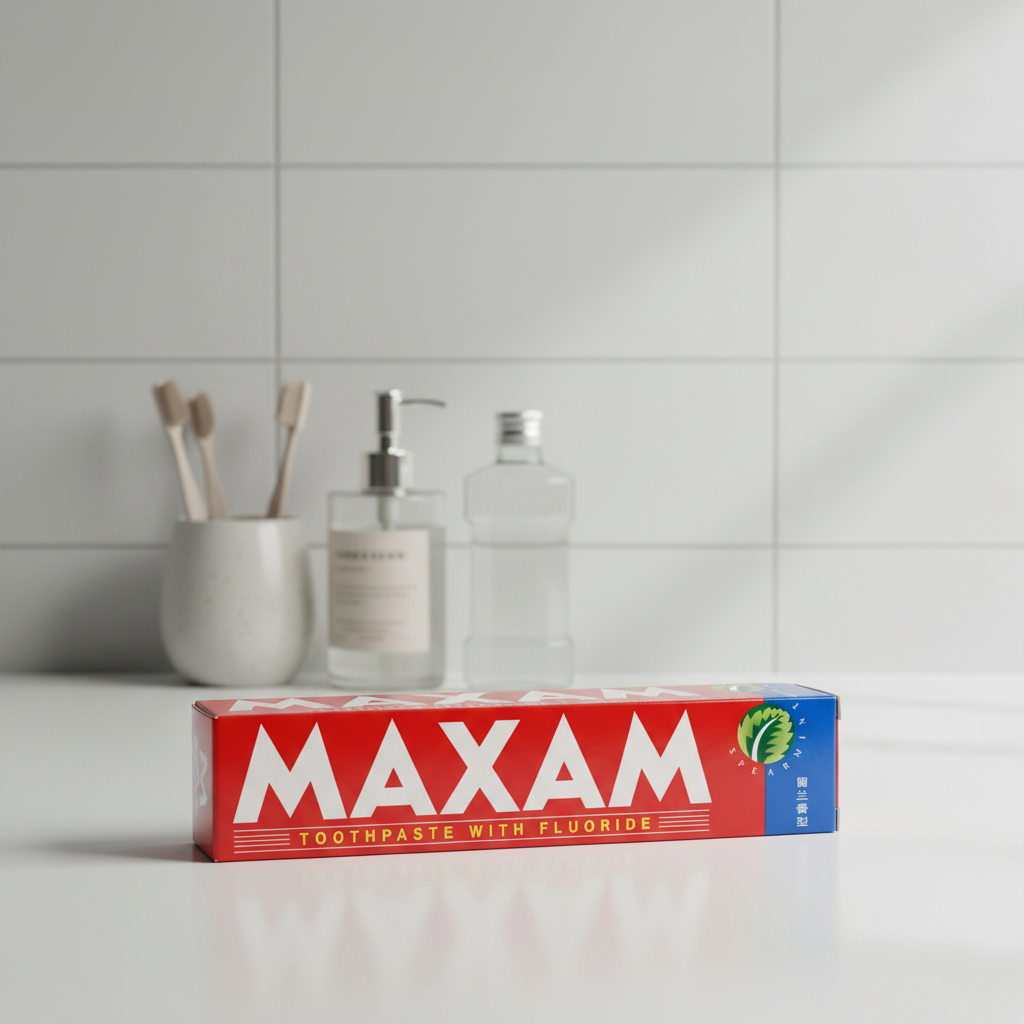
If you have been considering adding charcoal toothpaste to your daily oral care routine, you are not alone. Charcoal toothpaste has become one of the most discussed dental products in recent years, appearing on store shelves and social media feeds alike. Before you make a decision, it helps to understand exactly what charcoal toothpaste is, what it can and cannot do, and what precautions make sense for your teeth and gums.
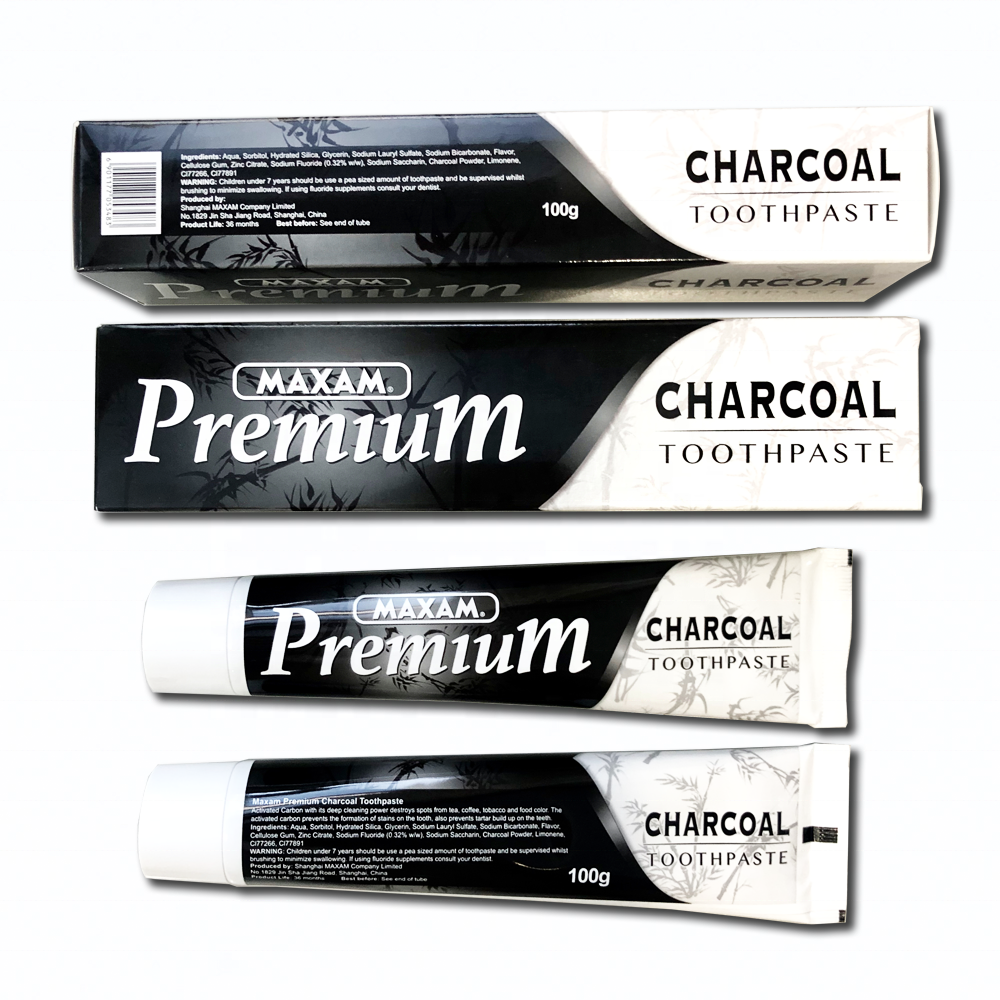
Charcoal toothpaste typically contains activated charcoal, a fine black powder derived from carbon-rich materials such as coconut shells, wood, or coal that have been treated at high temperatures. This activation process creates a highly porous structure that gives the charcoal its well-known adsorptive properties. When used in charcoal toothpaste, this ingredient is intended to help bind surface stains and impurities on tooth enamel, which is why charcoal toothpaste is often marketed as a natural whitening solution. Understanding both the science and the practical limits of charcoal toothpaste is the first step toward using it wisely.
Charcoal toothpaste works primarily through adsorption rather than chemical bleaching. When you brush with charcoal toothpaste, the activated charcoal particles attract and bind to organic compounds on the tooth surface, including pigments from coffee, tea, wine, and tobacco. This mechanism is different from peroxide-based whitening treatments, which penetrate the enamel to break down deeper stains from within. Charcoal toothpaste targets extrinsic stains, meaning those that sit on the outer surface of your teeth rather than those embedded in the enamel or dentin layer.
Because charcoal toothpaste acts on surface-level deposits, results are most noticeable for people who regularly consume staining foods and beverages. For intrinsic discoloration caused by aging, medication, or dental trauma, charcoal toothpaste is unlikely to deliver the same level of improvement. Setting realistic expectations before you start using charcoal toothpaste prevents disappointment and helps you evaluate whether your oral care goals align with what this product realistically offers.
One of the most important factors to understand about charcoal toothpaste is its abrasiveness level. Activated charcoal particles are physically harder than the paste matrix in conventional toothpaste, and if a charcoal toothpaste formula is too abrasive, it can gradually wear down tooth enamel with repeated use. Enamel is the protective outer layer of your tooth, and once it erodes, it does not regenerate. Choosing a charcoal toothpaste that is formulated with a low Relative Dentin Abrasivity score, or using charcoal toothpaste in moderation, reduces the risk of enamel damage over time.
Not all charcoal toothpaste products carry the same abrasiveness level. Some manufacturers of charcoal toothpaste use finer particle sizes and combine the activated charcoal with protective ingredients such as fluoride or hydroxyapatite to help offset potential abrasion effects. Reading the product label and looking for any dental association endorsements on your chosen charcoal toothpaste is always a sound practice before committing to regular use.
Charcoal toothpaste can provide a visible improvement in surface stain removal for many users, particularly those maintaining otherwise healthy oral hygiene habits. The adsorptive quality of charcoal toothpaste also means that it may help neutralize certain odor-causing compounds in the mouth, contributing to fresher breath. Some formulations of charcoal toothpaste include antibacterial botanicals or mineral ingredients that support gum health alongside the activated charcoal component.
Regular brushing with charcoal toothpaste as part of a complete oral care routine that includes flossing and professional cleanings can yield noticeably cleaner-looking teeth over several weeks. The visual effect of charcoal toothpaste is most pronounced when extrinsic staining is the primary concern. Many users report that switching to charcoal toothpaste as an occasional supplement to their regular fluoride toothpaste offers a good balance between whitening benefit and enamel protection.
Charcoal toothpaste is not a replacement for professional dental treatment, and it cannot address structural issues such as cavities, gum disease, or deep intrinsic staining. Most forms of charcoal toothpaste do not contain fluoride, which means that relying solely on charcoal toothpaste without any fluoride source may increase vulnerability to tooth decay over time. If your charcoal toothpaste does not include fluoride, dental professionals generally recommend alternating it with a fluoride toothpaste rather than using charcoal toothpaste exclusively.
Charcoal toothpaste may also temporarily stain older dental restorations, crowns, or veneers that have micro-porous surfaces due to age or wear. Before switching to charcoal toothpaste, consulting with your dentist is particularly advisable if you have existing dental work or sensitive teeth. Transparency about these limitations is a sign of a trustworthy charcoal toothpaste product and a responsible approach to consumer guidance.
Using charcoal toothpaste two to three times per week rather than twice daily is a practical approach for most adults. This frequency allows charcoal toothpaste to deliver its stain-lifting benefits without subjecting enamel to excessive abrasion from daily use over the long term. Applying charcoal toothpaste with a soft-bristled toothbrush and using gentle circular motions rather than aggressive scrubbing further minimizes any abrasive impact on tooth surfaces.
It is also worth noting that rinsing thoroughly after brushing with charcoal toothpaste is essential. Activated charcoal particles can settle into the gumline and interdental spaces if not rinsed away properly, which could irritate sensitive gum tissue. Following up charcoal toothpaste use with a water rinse and then flossing ensures that no residue is left behind in areas that are harder to reach with a toothbrush.
Not every charcoal toothpaste on the market is formulated with the same quality standards. When evaluating a charcoal toothpaste, look for products that list their ingredients transparently, specify the source and grade of activated charcoal used, and include complementary ingredients that support overall oral health. A quality charcoal toothpaste should feel smooth and creamy rather than gritty when applied, and it should rinse cleanly without leaving an unpleasant coating on the mouth.
Charcoal toothpaste designed for daily or near-daily use should carry a low abrasivity rating, ideally confirmed by independent testing. Brands that openly publish or discuss the abrasivity data for their charcoal toothpaste demonstrate a commitment to user safety that is worth prioritizing. A thoughtfully formulated charcoal toothpaste balances effective stain removal with protective properties that maintain the integrity of your enamel over consistent use.
Daily use of charcoal toothpaste is generally not recommended unless the specific charcoal toothpaste formula has been verified to have a very low abrasivity rating. Most dental professionals suggest using charcoal toothpaste a few times per week and alternating with a fluoride toothpaste to maintain enamel strength and decay protection.
Charcoal toothpaste is most effective for removing surface or extrinsic stains caused by food and beverages. It is not designed to treat intrinsic stains that originate inside the tooth structure. For deeper discoloration, professional whitening treatments prescribed or performed by a dentist are the more appropriate option alongside charcoal toothpaste for maintenance.
Many charcoal toothpaste products do not contain fluoride, though some formulations do include it. If your charcoal toothpaste is fluoride-free, dental professionals typically advise using it alongside a fluoride toothpaste in your routine to ensure your teeth receive adequate protection against cavities and enamel demineralization.

Based in Shanghai with 30+ years of export experience, MAXAM is a premier oral care manufacturer specializing in efficacy-driven toothpaste for whitening, cavity protection, and sensitivity. Certified by GMPC, BRC, and HALAL.
Join our email list for tips and useful information.


