 EN
EN


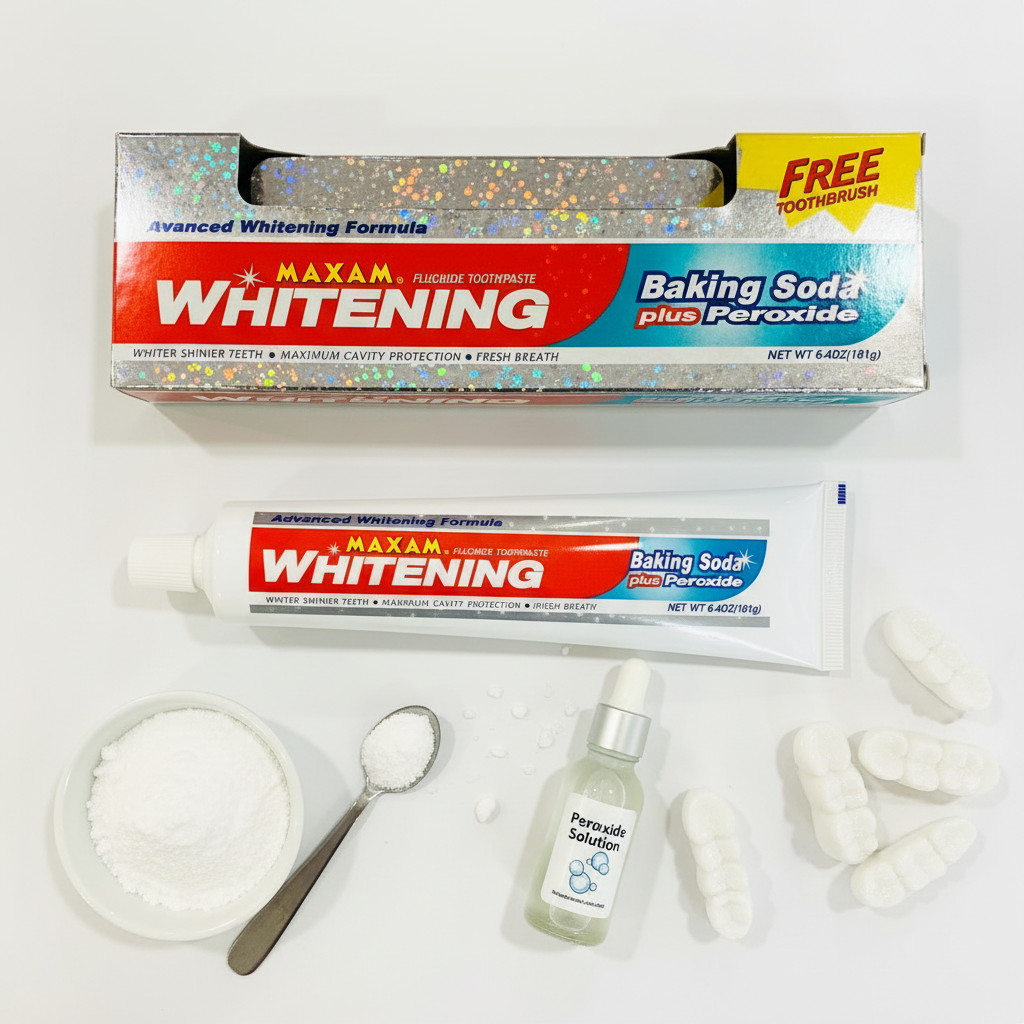
Selecting the right whitening toothpaste involves more than just grabbing the first product you see at the store. With countless options available on the market, understanding what makes one whitening toothpaste different from another is essential for achieving the bright smile you want while maintaining your dental health. This guide walks you through the critical factors that should influence your purchasing decision and helps you navigate the crowded whitening toothpaste category with confidence.
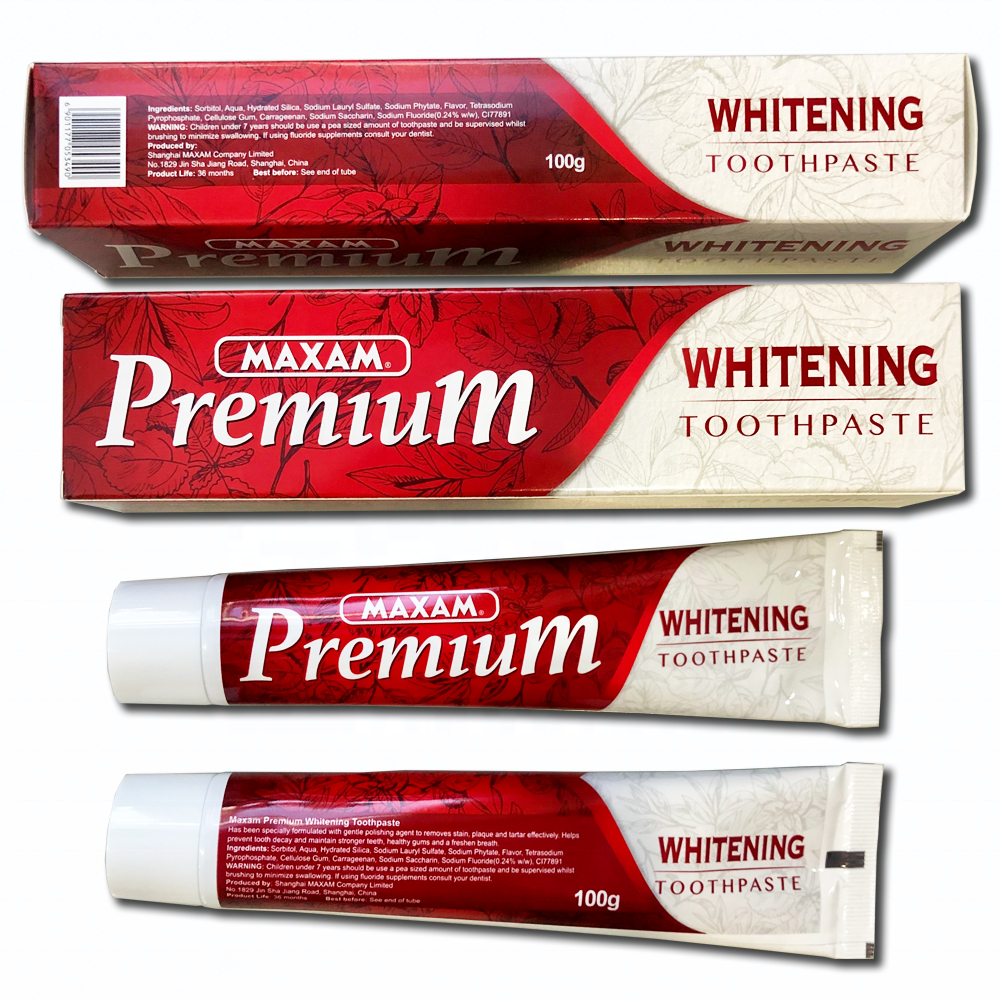
Finding the ideal whitening toothpaste depends on understanding your specific dental needs, preferences, and expectations. Whether you are looking to remove surface stains, address deeper discoloration, or simply maintain your current shade, different whitening toothpaste formulations offer varying levels of effectiveness. The key is knowing what to evaluate before making your purchase to ensure you invest in a product that delivers real results without compromising your tooth and gum health.
The most important factor when evaluating whitening toothpaste is understanding what active ingredients are responsible for the whitening effect. Most whitening toothpaste products contain one or more of several established whitening agents, including hydrogen peroxide, carbamide peroxide, or polishing abrasives designed to remove surface stains. Hydrogen peroxide is one of the most common and effective whitening agents used in whitening toothpaste formulations, working by breaking down organic compounds that cause discoloration on the tooth surface. When comparing different whitening toothpaste options, look for clear labeling of these active ingredients and their concentrations, as higher concentrations typically provide more noticeable whitening results.
Whitening toothpaste products fall into two main categories: those that use chemical agents to lighten tooth color, and those that rely on polishing abrasives to remove surface stains. Chemical whitening toothpaste works at the molecular level to break down stain compounds, while polishing-based whitening toothpaste removes external discoloration through mechanical action. The most effective whitening toothpaste often combines both approaches, offering immediate visual improvements from polishing while chemical agents work to address deeper stains over time. Understanding whether you need surface stain removal or deeper whitening helps you choose the right whitening toothpaste for your specific situation. Chemical whitening toothpaste tends to deliver more dramatic results for stubborn stains, while polishing formulas work well for maintenance and regular cleaning.
Many people experience tooth sensitivity when using whitening toothpaste, particularly if their teeth are already prone to sensitivity or if their enamel is compromised. When shopping for whitening toothpaste, check whether the product includes desensitizing ingredients such as potassium nitrate or sodium fluoride, which help reduce pain and discomfort during and after use. Whitening toothpaste formulated specifically for sensitive teeth contains lower concentrations of whitening agents and added protective compounds that buffer the effects of active ingredients. If you have a history of sensitivity, prioritizing whitening toothpaste with built-in desensitizing features prevents painful reactions while still allowing you to achieve whitening results. Some whitening toothpaste products are explicitly labeled as 'gentle' or 'for sensitive teeth,' making the selection process easier for those with dental concerns.
Your tooth enamel is irreplaceable, making enamel protection a critical factor when choosing whitening toothpaste. High-abrasion whitening toothpaste can gradually wear away enamel with repeated use, leading to increased sensitivity and aesthetic problems over time. The American Dental Association recommends looking for whitening toothpaste with an abrasivity rating that indicates safe use for regular brushing, typically marked as RDA (Relative Dentin Abrasivity) values below 150. Whitening toothpaste containing fluoride provides additional enamel strengthening and protection, helping offset some of the effects of whitening agents. Before selecting a whitening toothpaste, verify that it has been tested for safety and carries endorsements from dental health organizations, ensuring your long-term smile remains healthy alongside achieving cosmetic improvements.
Understanding how quickly whitening toothpaste delivers results helps you set appropriate expectations and avoid disappointment with your purchase. Most people notice visible improvements from whitening toothpaste within one to two weeks of regular use, though more dramatic results typically emerge after four to six weeks of consistent application. Whitening toothpaste works gradually compared to professional whitening treatments, which is both a benefit and a limitation—the slower pace reduces sensitivity risk while requiring patience and commitment. The concentration of active ingredients in whitening toothpaste directly influences how quickly you see results, with stronger formulations generally delivering faster whitening but potentially carrying higher sensitivity risks. Be cautious of whitening toothpaste products making unrealistic promises of instant whitening, as these claims typically indicate marketing exaggeration rather than scientific reality.
Once you have achieved your desired level of whiteness using whitening toothpaste, maintaining those results requires ongoing use and proper habits. Whitening toothpaste effectively maintains brightness achieved through professional treatments or previous whitening efforts, preventing stain reaccumulation from daily activities like drinking coffee, tea, or red wine. Switching between regular whitening toothpaste and standard fluoride toothpaste allows you to maintain whiteness while giving your teeth recovery time between intensive whitening cycles. The longevity of whitening toothpaste results depends on your lifestyle habits, dietary choices, and smoking status, with some people maintaining results for several months while others require more frequent application. Establishing a sustainable whitening toothpaste routine that balances aesthetic goals with dental health concerns ensures you enjoy lasting benefits without damaging your teeth or gums.
Many consumers now prioritize whitening toothpaste formulated with natural or organic ingredients, reflecting broader health consciousness and environmental concerns. Whitening toothpaste featuring natural whitening agents like charcoal, baking soda, or peroxide alternatives appeals to those seeking gentler options, though scientific evidence supporting these alternatives remains mixed. Understanding whether your preferred whitening toothpaste contains artificial colors, flavors, or potentially harmful chemicals helps align your purchase with personal values. Some whitening toothpaste brands emphasize sustainability and ethical sourcing, factors that increasingly influence purchasing decisions for environmentally conscious consumers. Evaluating the full ingredient list of whitening toothpaste ensures you know exactly what you are putting in your mouth and whether any components might trigger allergies or sensitivities.
While whitening efficacy remains paramount, the overall user experience significantly influences whether you will consistently use your whitening toothpaste as directed. Whitening toothpaste comes in various flavors ranging from traditional mint to more adventurous options, and selecting a taste you enjoy encourages regular use. The texture and consistency of whitening toothpaste affect how pleasant it is to use twice daily, with some people preferring gel formulations while others favor paste consistency. Price point is another practical consideration when buying whitening toothpaste, as products range dramatically in cost without always correlating to superior results. Balancing all these factors—effectiveness, sensitivity management, ingredients, results timeline, and personal preferences—ensures your whitening toothpaste purchase aligns with both your dental goals and lifestyle needs.
Most people notice visible whitening from whitening toothpaste within one to two weeks of regular use, with more significant results typically appearing after four to six weeks. The timeline depends on the concentration of active ingredients, your starting tooth color, and the severity of existing stains. Whitening toothpaste works gradually, making it ideal for maintenance but less dramatic than professional whitening treatments.
Yes, whitening toothpaste designed specifically for sensitive teeth includes desensitizing ingredients like potassium nitrate and lower concentrations of whitening agents. These formulations reduce discomfort while still providing whitening benefits. If you have sensitive teeth, always choose whitening toothpaste labeled for sensitivity rather than standard whitening formulas to prevent painful reactions.
High-abrasion whitening toothpaste used excessively can gradually wear enamel over time, so selecting whitening toothpaste with a safe abrasivity rating and fluoride content is important. Look for products with RDA values below 150 and choose whitening toothpaste from reputable brands endorsed by dental health organizations to minimize enamel damage while achieving your whitening goals.

Based in Shanghai with 30+ years of export experience, MAXAM is a premier oral care manufacturer specializing in efficacy-driven toothpaste for whitening, cavity protection, and sensitivity. Certified by GMPC, BRC, and HALAL.
Join our email list for tips and useful information.


