 EN
EN


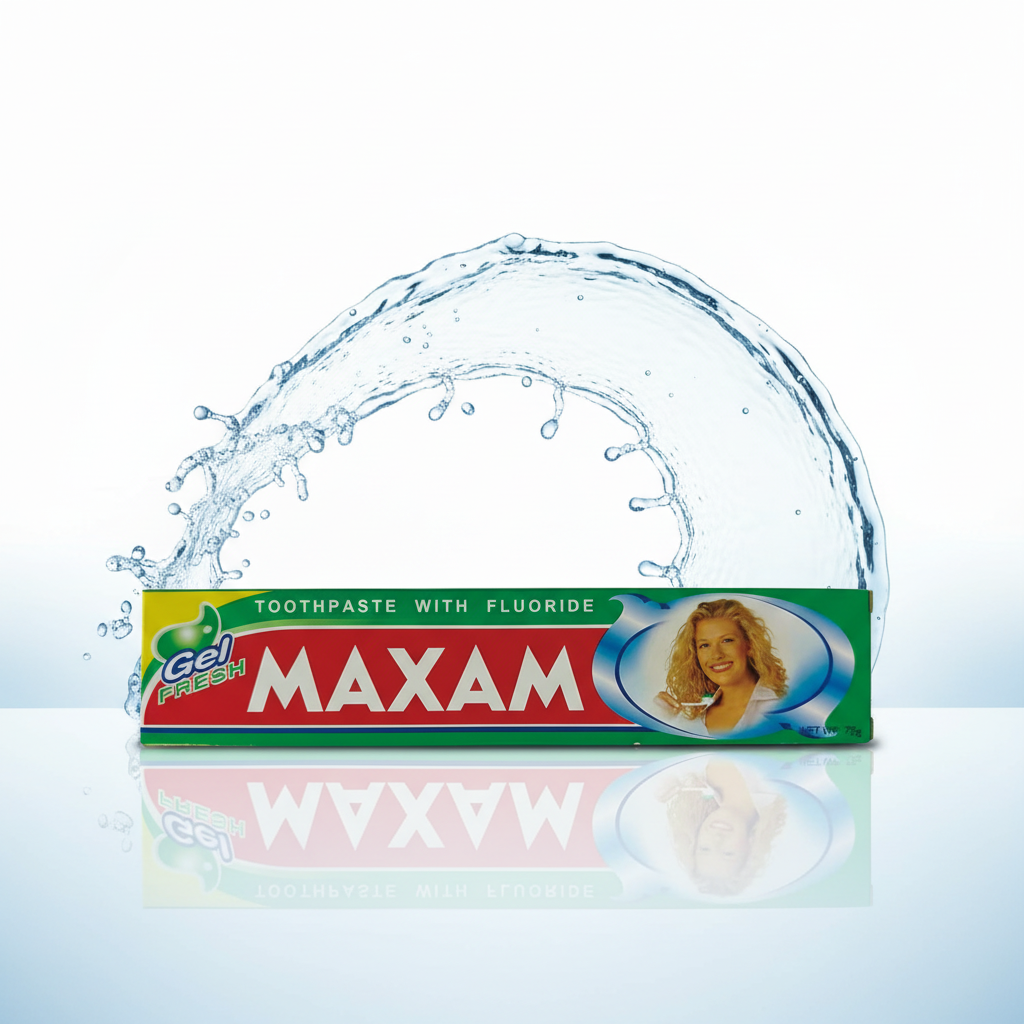
Establishing the right brushing frequency with maxam toothpaste is fundamental to maintaining strong teeth and healthy gums throughout your life. Many people wonder whether twice daily brushing is sufficient or if they need additional applications to achieve optimal oral health results. The answer depends on several factors, including your personal oral health status, dietary habits, and susceptibility to dental issues. Understanding proper maxam toothpaste usage ensures you maximize its benefits while avoiding potential over-brushing complications that can damage your enamel and gum tissue.
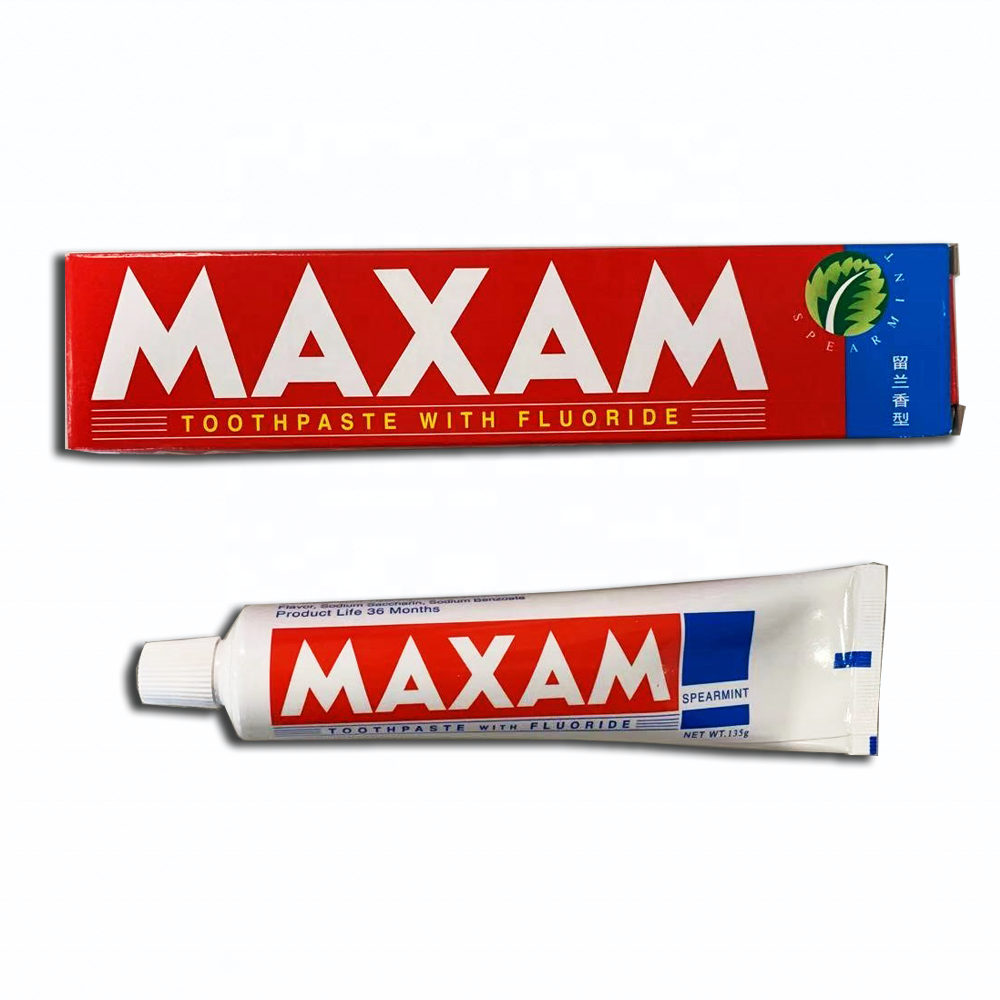
The recommended frequency for using maxam toothpaste aligns with established dental guidelines that prioritize consistency and technique over excessive application. Most dental professionals recommend using maxam toothpaste twice daily—once in the morning and once before bed—as the standard baseline for maintaining oral health. This schedule allows maxam toothpaste to provide continuous protection against plaque buildup, cavity formation, and bacterial growth throughout the day and overnight. However, individual circumstances may warrant adjustments to this baseline frequency, making it important to understand both general recommendations and personal factors that influence optimal usage patterns.
The morning brushing with maxam toothpaste removes bacteria and plaque that accumulated overnight while your saliva production decreased. This application freshens your breath, protects your teeth throughout the day, and prepares your mouth for food and beverages that may contain acids or sugars. Evening brushing with maxam toothpaste eliminates food debris and bacteria accumulated during the day before you sleep. Since saliva flow naturally decreases during sleep, the protective layer left by maxam toothpaste becomes especially valuable for preventing cavity development and maintaining enamel integrity throughout the night.
Using maxam toothpaste for two minutes during each brushing session ensures thorough cleaning of all tooth surfaces, including those difficult-to-reach areas where plaque typically accumulates. The timing of your maxam toothpaste application matters significantly—brushing too soon after consuming acidic foods or drinks can damage enamel, so waiting 30 to 60 minutes is advisable. Many people benefit from setting reminders or establishing routines that naturally incorporate maxam toothpaste usage into their morning and evening schedules. Consistency with maxam toothpaste application proves more important than occasional aggressive brushing, as regular use builds cumulative protective benefits.
Individuals with a history of cavities, gum disease, or other dental conditions may benefit from using maxam toothpaste more than twice daily under professional guidance. People who consume frequent sugary snacks, acidic beverages, or tobacco products often need supplementary maxam toothpaste applications to combat increased bacterial activity and acid exposure. Orthodontic patients wearing braces may require additional maxam toothpaste usage to address food trapping and plaque accumulation in hard-to-clean areas around brackets and wires. Athletes or individuals with dry mouth conditions may also benefit from extra maxam toothpaste applications, as reduced saliva production compromises natural oral defense mechanisms.
While immediate brushing after meals isn't always recommended due to acid softening effects on enamel, using maxam toothpaste approximately 30 minutes after consuming acidic foods provides significant protective benefits. Professional guidance becomes essential when determining whether your specific situation warrants three or more daily applications of maxam toothpaste. Some people find that a quick rinse with water followed by a brief maxam toothpaste application after lunch maintains their preferred level of oral hygiene without overdoing abrasive brushing. The key consideration involves balancing the protective benefits of using maxam toothpaste against the potential risks of excessive mechanical abrasion on tooth enamel and gum tissue.
Using maxam toothpaste effectively requires gentle circular motions rather than aggressive scrubbing, which can irritate gums and wear away enamel prematurely. A pea-sized amount of maxam toothpaste provides sufficient fluoride and active ingredients without waste or excessive concentration that might cause sensitivity or irritation. Proper angle and methodical coverage ensure that maxam toothpaste reaches all tooth surfaces, including the gum line where plaque most commonly initiates decay. Teenagers and children need appropriate amounts of maxam toothpaste adjusted for their age and size, as excessive fluoride ingestion during tooth development can cause fluorosis in developing permanent teeth.
Excessive use of maxam toothpaste or over-aggressive brushing can cause gum recession, increased tooth sensitivity, and enamel thinning that compromises long-term tooth structure and appearance. Red, swollen, or bleeding gums indicate that current maxam toothpaste usage frequency or brushing technique needs adjustment to prevent further damage. Transparent areas on teeth near the gum line suggest enamel erosion from excessive mechanical abrasion, signaling the need to reduce brushing frequency or soften technique when using maxam toothpaste. If you experience persistent sensitivity or gum problems despite using maxam toothpaste regularly, consulting your dentist helps identify whether frequency adjustment or technique modification will resolve the issue.
While twice daily brushing with maxam toothpaste represents the standard recommendation for most people, individual oral health needs vary based on cavity risk, gum health, dietary habits, and existing dental conditions. Those with healthy teeth and no cavity history typically find twice daily maxam toothpaste application adequate, whereas individuals with gum disease or high cavity risk may need professional guidance regarding supplementary applications. Your dentist can assess your specific situation and recommend the ideal frequency of maxam toothpaste use tailored to your personal oral health profile.
Excessive brushing with maxam toothpaste, particularly with harsh technique, can damage gum tissue and wear enamel, causing increased sensitivity and cosmetic concerns. The risk depends not only on frequency but also on brushing pressure, technique, and toothbrush bristle firmness when applying maxam toothpaste. Most dentists recommend that any frequency beyond twice daily with maxam toothpaste should be approached cautiously, with gentle technique and possibly using a softer-bristled brush to minimize abrasive effects.
The optimal timing for maxam toothpaste application includes morning brushing to address overnight bacterial accumulation and evening brushing before sleep when saliva production naturally decreases. Using maxam toothpaste at least 30 minutes after consuming acidic foods protects enamel from damage caused by acid-softened dentin exposure. Your specific daily routine should dictate maxam toothpaste timing, provided you maintain consistency and allow adequate spacing between applications to prevent excessive mechanical stress on teeth and gums.

Based in Shanghai with 30+ years of export experience, MAXAM is a premier oral care manufacturer specializing in efficacy-driven toothpaste for whitening, cavity protection, and sensitivity. Certified by GMPC, BRC, and HALAL.
Join our email list for tips and useful information.


