 EN
EN


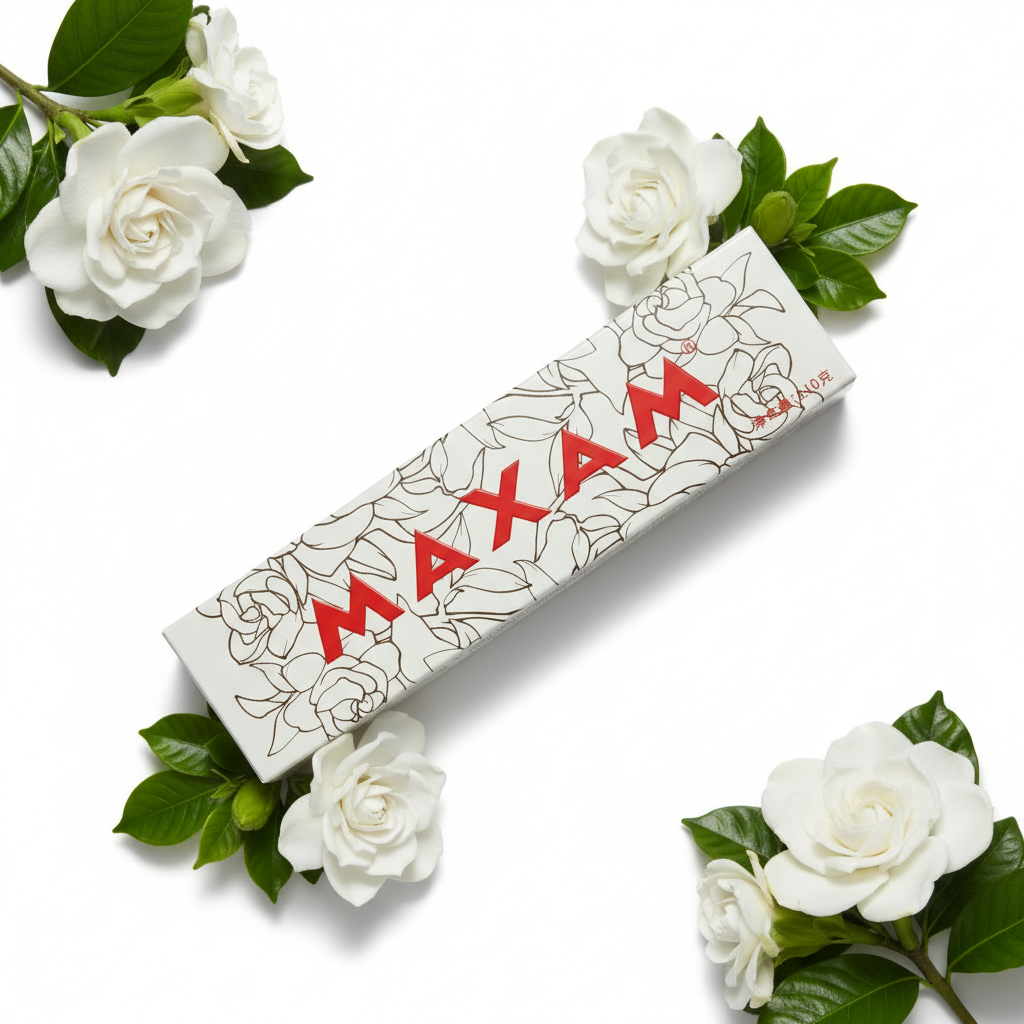
Whitening toothpaste has become one of the most popular at-home solutions for brightening teeth and removing surface stains. Unlike professional whitening treatments, whitening toothpaste works through gentler chemical and mechanical processes to gradually lighten tooth color over weeks of regular use. Understanding what whitening toothpaste actually is and how it functions can help you make informed decisions about your oral care routine and set realistic expectations for results.
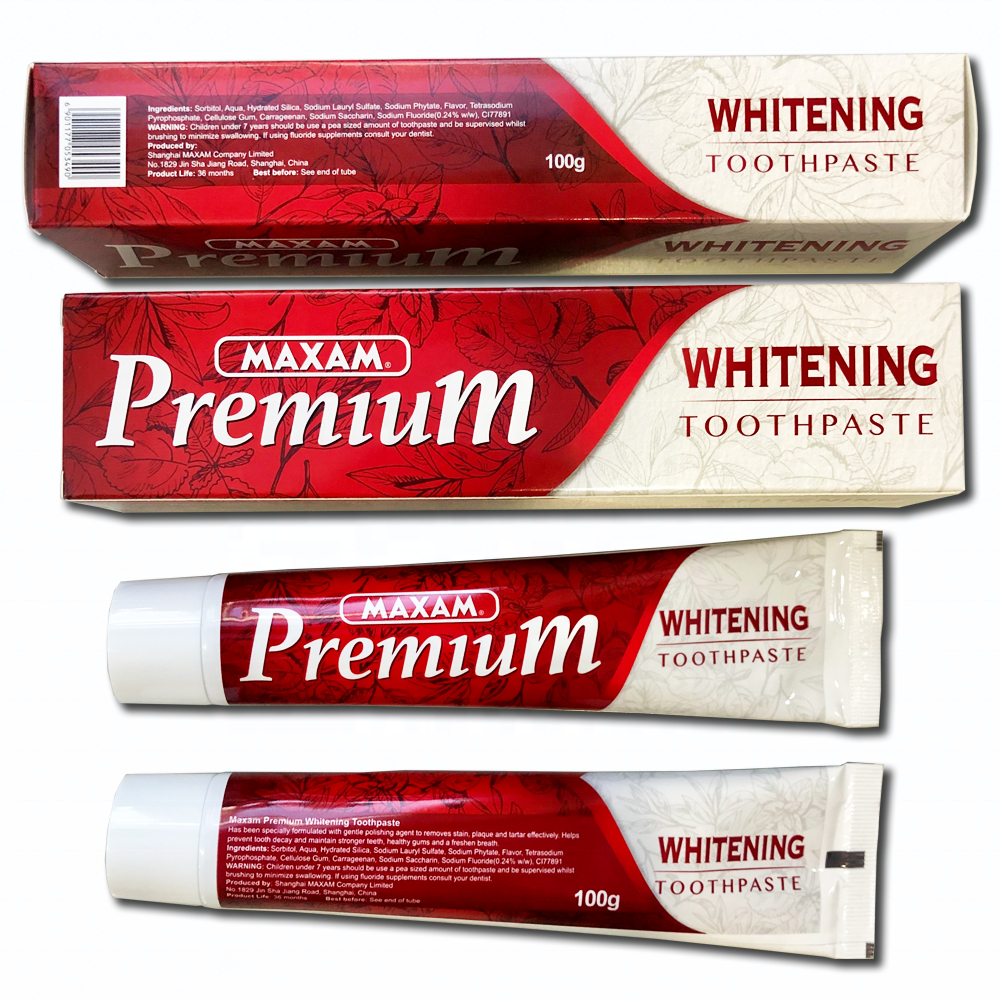
Whitening toothpaste differs fundamentally from standard dental products because it contains specialized compounds designed to address tooth discoloration at the surface level. These formulations combine abrasive particles, chemical whitening agents, and polishing components to lift stains from tooth enamel without requiring professional application or trays. The effectiveness of whitening toothpaste depends on consistent use, the specific ingredients included, and the nature of the stains being targeted.
The core of any effective whitening toothpaste lies in its active ingredients, which work to break down and remove stains from tooth surfaces. Hydrogen peroxide and carbamide peroxide are the most common chemical agents found in whitening toothpaste formulations. These peroxides penetrate the outer layer of tooth enamel and oxidize the chromogenic molecules responsible for tooth discoloration, effectively bleaching stains from within. Another ingredient commonly used in whitening toothpaste is pyrophosphate, which helps prevent new stain formation by inhibiting calcium and magnesium deposits on tooth surfaces.
Whitening toothpaste relies heavily on mechanical action through abrasive particles and polishing compounds. Silica, calcium carbonate, and aluminum oxide serve as gentle abrasives in whitening toothpaste formulations, working to physically remove surface stains and debris from teeth. These materials are carefully calibrated to be effective at stain removal without causing excessive enamel wear, making whitening toothpaste safer than using harsh homemade abrasives. The polishing action of whitening toothpaste complements its chemical components, creating a dual mechanism that addresses both surface discoloration and embedded stains.
Whitening toothpaste operates through two simultaneous processes that work together to brighten teeth. The chemical component of whitening toothpaste introduces mild oxidizing agents that penetrate tooth enamel and break down stain molecules at a molecular level. Meanwhile, the mechanical action of brushing combined with the abrasive particles in whitening toothpaste physically scrubs away external stains and discoloration. This combined approach makes whitening toothpaste effective for addressing both extrinsic stains caused by coffee, tea, and red wine, as well as minor intrinsic discoloration.
Results from whitening toothpaste develop gradually because the active ingredients in whitening toothpaste work at a slower rate than professional whitening systems. Using whitening toothpaste twice daily typically produces visible results within two to three weeks of consistent application. The whitening toothpaste formulation is designed to be used regularly as part of your daily oral hygiene routine, making it a convenient option for maintaining brighter teeth over time. Because whitening toothpaste contains lower concentrations of bleaching agents compared to professional treatments, safety risks are minimized while still delivering measurable whitening benefits.
Whitening toothpaste works best on surface-level stains and can lighten teeth by one to two shades with consistent use over several weeks. The effectiveness of whitening toothpaste depends largely on the type and severity of staining you are targeting. External stains from lifestyle habits respond particularly well to whitening toothpaste treatment, while deeper discoloration may require professional intervention. Using a quality whitening toothpaste as part of a comprehensive oral care routine can help maintain results from professional whitening treatments and prevent new stains from accumulating on tooth surfaces.
Several variables influence how well whitening toothpaste delivers results in your specific situation. The concentration and type of active ingredients determine the potency of the whitening toothpaste you choose. Natural tooth color and the baseline shade of your enamel affect how noticeable the whitening effect will be when using whitening toothpaste regularly. Individual brushing technique, frequency of use, and diet all impact the overall performance of whitening toothpaste. For maximum benefit, use your whitening toothpaste with a soft-bristled toothbrush and brush for the recommended two minutes, twice daily.
Yes, whitening toothpaste is generally safe for daily use when formulated properly and approved by dental authorities. The abrasive levels in most whitening toothpaste products are carefully controlled to avoid enamel damage, and the chemical whitening agents in whitening toothpaste are at concentrations that pose minimal risk to tooth health. However, if you experience sensitivity or gum irritation, consult your dentist before continuing to use whitening toothpaste daily.
Most people notice visible whitening from whitening toothpaste within two to three weeks of consistent twice-daily use. The timeline for results varies depending on the starting shade of your teeth and the specific formulation of your whitening toothpaste. For best results, maintain a regular brushing routine with your whitening toothpaste and avoid staining foods and beverages during the whitening process to maximize the effectiveness.
Whitening toothpaste works most effectively on extrinsic stains caused by external factors like coffee, tea, and smoking. Intrinsic stains caused by medications, aging, or trauma may not respond as well to whitening toothpaste alone and might require professional whitening treatments. Using whitening toothpaste as a maintenance tool alongside professional treatments often produces the best overall results for comprehensive tooth brightening.

Based in Shanghai with 30+ years of export experience, MAXAM is a premier oral care manufacturer specializing in efficacy-driven toothpaste for whitening, cavity protection, and sensitivity. Certified by GMPC, BRC, and HALAL.
Join our email list for tips and useful information.


