 EN
EN


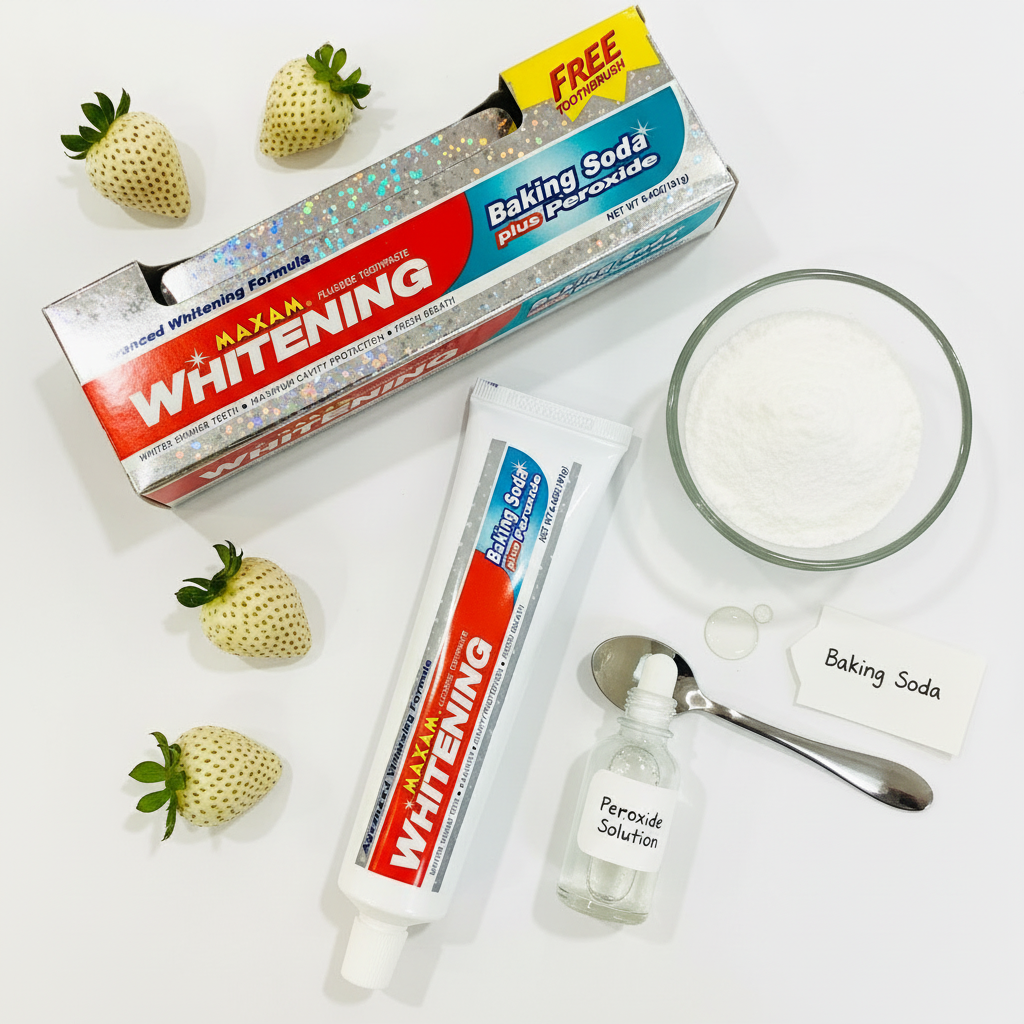
Surface stains on teeth represent one of the most common cosmetic concerns affecting millions of people worldwide. Whether caused by coffee, tea, wine, or tobacco, these discolorations sit on the outer layer of tooth enamel and can significantly impact your smile's appearance. Understanding how whitening toothpaste removes surface stains is essential for anyone seeking an effective, affordable, and convenient whitening solution. Whitening toothpaste works through a combination of mechanical abrasion and chemical whitening agents that target these stubborn stains without requiring professional treatments.
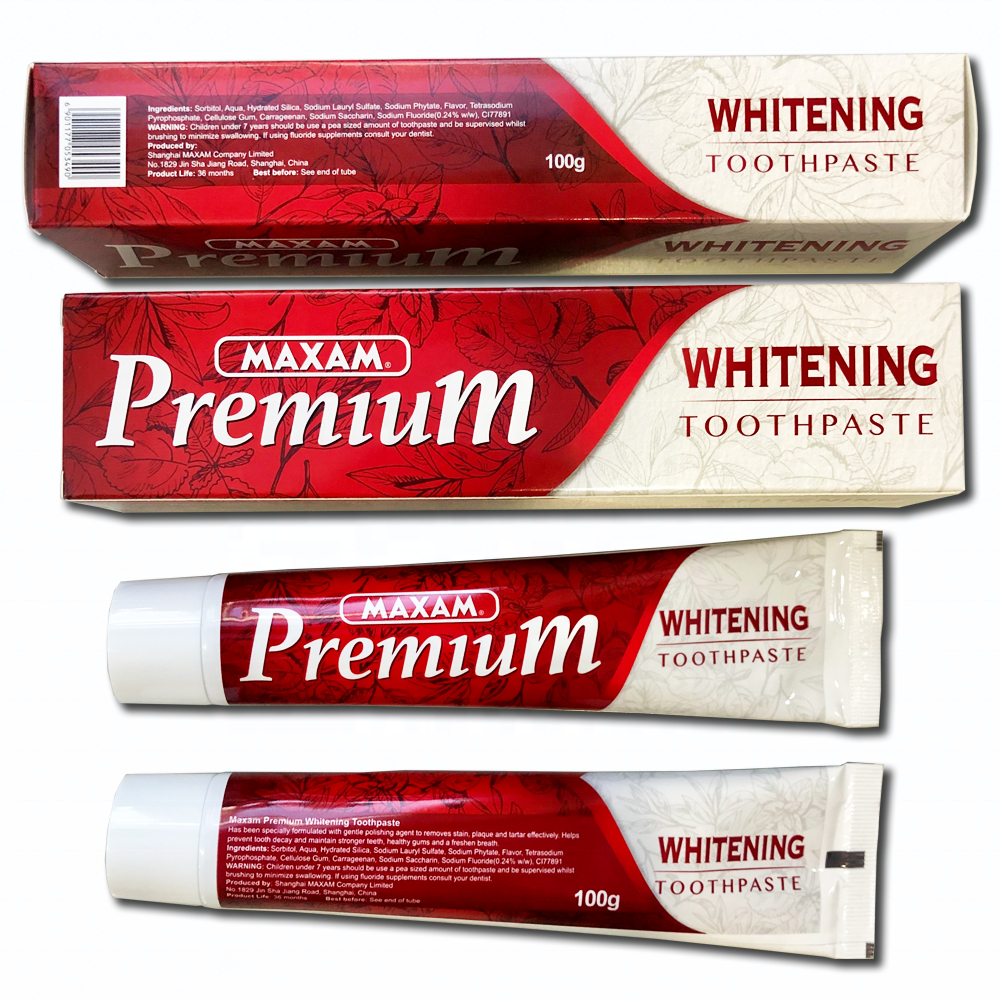
The effectiveness of whitening toothpaste depends on understanding its dual-action formula. Unlike traditional toothpastes that primarily focus on cavity prevention and plaque removal, whitening toothpaste combines gentle abrasive particles with active whitening compounds. This synergistic approach allows whitening toothpaste to lift discoloration from the tooth surface progressively over time, delivering noticeable results without the harshness of professional bleaching treatments.
The foundation of how whitening toothpaste removes surface stains begins with mechanical abrasion. Whitening toothpaste contains fine abrasive particles such as silica, calcium carbonate, or hydrated aluminum oxide. These particles work by gently polishing the tooth surface, physically scrubbing away stain particles that have accumulated on the enamel. When you brush with whitening toothpaste, these microscopic abrasives interact with stain molecules, breaking their bond with the tooth structure and lifting them away. The polishing action is similar to using fine sandpaper on a wooden surface, except formulated to be safe for dental enamel.
While abrasives are crucial to how whitening toothpaste removes surface stains, manufacturers carefully control particle size and hardness to prevent enamel damage. The relative dentin abrasivity (RDA) rating on whitening toothpaste typically ranges from 70 to 200 RDA units, which professional guidelines deem safe for regular use. This balance ensures that whitening toothpaste can effectively remove stains while maintaining the integrity of your tooth enamel. Using whitening toothpaste twice daily within recommended guidelines poses minimal risk of over-abrasion, making it a sustainable option for long-term stain management.
Beyond mechanical action, whitening toothpaste relies on chemical whitening agents to address stains at a deeper level. Common active ingredients include hydrogen peroxide, carbamide peroxide derivatives, or oxygen-based compounds. These chemical agents work by penetrating the surface layer of the tooth and breaking down chromogenic molecules responsible for discoloration. When you use whitening toothpaste containing these agents, the chemical reaction oxidizes stain pigments, transforming them into colorless or less visible compounds. This chemical component of whitening toothpaste is what distinguishes it from standard toothpastes and enables visible whitening results.
The most effective whitening toothpaste formulations combine abrasive particles with chemical agents for maximum stain-removal efficiency. The abrasives first physically remove surface stain layers, exposing fresh enamel beneath. Simultaneously, the chemical whitening agents oxidize any remaining pigmented molecules on the exposed surface. This two-pronged approach ensures that whitening toothpaste can tackle both external stains and slight discoloration within the immediate subsurface layers of enamel. When you brush with quality whitening toothpaste, you benefit from both mechanisms working in concert, producing faster and more noticeable results than either mechanism alone could achieve.
Users often ask how long before whitening toothpaste delivers noticeable results. Most people begin seeing subtle improvements within one to two weeks of consistent use, though the pace depends on the severity of existing stains. Whitening toothpaste works gradually through daily brushing, making it ideal for individuals with mild to moderate surface staining. Heavy stains from years of coffee or tobacco use may require four to six weeks of regular whitening toothpaste application before becoming noticeably lighter. Patience and consistency are essential, as whitening toothpaste operates through cumulative daily action rather than dramatic overnight transformation.
Whitening toothpaste proves most effective on extrinsic stains, which are discolorations on the tooth surface caused by external factors like food, beverages, and smoking. These surface-level stains respond quickly to the abrasive and chemical mechanisms within whitening toothpaste. Intrinsic stains, which occur inside the tooth structure due to aging, medication, or developmental factors, do not respond as effectively to whitening toothpaste because they exist below the surface where mechanical and topical chemical action cannot easily reach. Understanding whether your stains are extrinsic or intrinsic helps set realistic expectations for what whitening toothpaste can accomplish for your smile.
When used as directed, whitening toothpaste formulated with appropriate RDA ratings does not damage healthy tooth enamel. The abrasive particles in whitening toothpaste are carefully calibrated to remove stains without causing significant wear. However, aggressive brushing or using whitening toothpaste more frequently than recommended could potentially contribute to enamel erosion, especially in individuals with already weakened enamel. If you have enamel sensitivity or concerns about enamel health, consult your dentist before using whitening toothpaste regularly.
Whitening toothpaste offers gradual, gentle whitening suitable for maintenance and mild stains, while professional treatments deliver faster, more dramatic results for stubborn discoloration. Professional whitening uses higher concentrations of peroxide compounds that penetrate deeper into the tooth structure. Many people use whitening toothpaste for ongoing maintenance after professional treatments to sustain results. For significant whitening goals, professional treatment followed by whitening toothpaste maintenance often yields the best outcome.
Yes, whitening toothpaste designed for daily use is safe when applied according to manufacturer instructions, typically twice daily. These formulations balance efficacy with safety to prevent enamel damage with regular use. However, individuals with sensitive teeth, gum disease, or existing enamel issues should consult their dentist before starting a whitening toothpaste regimen. Discontinuing use temporarily and consulting a dental professional is advisable if you experience increased sensitivity or gum irritation.

Based in Shanghai with 30+ years of export experience, MAXAM is a premier oral care manufacturer specializing in efficacy-driven toothpaste for whitening, cavity protection, and sensitivity. Certified by GMPC, BRC, and HALAL.
Join our email list for tips and useful information.


