EN
EN


Herbal toothpaste represents a significant evolution in oral care, blending traditional botanical wisdom with modern dental science to create formulations that clean teeth while leveraging the natural therapeutic properties of plant extracts. Unlike conventional toothpastes that rely primarily on synthetic chemicals and abrasives, herbal toothpaste incorporates ingredients like neem, clove, mint, tea tree oil, and various medicinal herbs that have been used for centuries in Ayurvedic and traditional medicine systems. This category of oral care products has gained substantial traction among consumers seeking natural alternatives that minimize exposure to artificial additives while delivering effective plaque removal, gum protection, and fresh breath. Understanding what constitutes herbal toothpaste and the mechanisms through which these botanical formulations work is essential for anyone considering a transition to plant-based oral care or evaluating whether these products align with their dental health goals.
The growing demand for herbal toothpaste reflects broader consumer trends toward clean beauty, wellness-focused products, and sustainable manufacturing practices that prioritize environmental responsibility alongside personal health. These formulations typically exclude fluoride, sodium lauryl sulfate, triclosan, artificial colors, and synthetic preservatives that some users prefer to avoid due to sensitivity concerns or philosophical preferences for natural ingredients. The functional effectiveness of herbal toothpaste depends on carefully selected botanical extracts that possess inherent antimicrobial, anti-inflammatory, astringent, and remineralizing properties that work synergistically to maintain oral hygiene. From a scientific perspective, the active compounds within these herbs interact with oral bacteria, tooth enamel, and gum tissue through multiple biological pathways that differ somewhat from conventional chemical approaches yet achieve comparable results in daily plaque control and cavity prevention when used consistently as part of a comprehensive dental care routine.
Herbal toothpaste is fundamentally defined by its reliance on plant-derived active ingredients rather than purely synthetic compounds to achieve oral cleaning and therapeutic effects. The formulation philosophy centers on harnessing bioactive molecules naturally present in herbs, roots, bark, leaves, and essential oils that have documented antimicrobial, anti-inflammatory, or healing properties relevant to dental health. Common botanical ingredients include neem extract, which contains azadirachtin and nimbidin compounds known for antibacterial activity against Streptococcus mutans and other cariogenic bacteria. Clove oil delivers eugenol, a natural analgesic and antiseptic that has been used traditionally to relieve toothache and reduce oral pathogens. Mint varieties such as peppermint and spearmint contribute menthol for fresh breath and mild antimicrobial effects. Tea tree oil provides terpinen-4-ol, a powerful antimicrobial agent effective against a broad spectrum of oral bacteria and fungi. Many herbal toothpaste formulations also incorporate traditional Ayurvedic herbs like babul, miswak, tulsi, and triphala, each contributing specific therapeutic benefits to gum health, plaque reduction, and overall oral ecosystem balance.
The base structure of herbal toothpaste typically includes natural abrasives such as calcium carbonate, silica, or baking soda to mechanically remove plaque and surface stains without excessive enamel wear. Binding agents derived from natural sources like carrageenan, xanthan gum, or cellulose derivatives provide the paste consistency and stability. Humectants such as glycerin or sorbitol maintain moisture content and prevent the product from drying out. Natural sweeteners like stevia or xylitol may be added to improve taste while xylitol additionally offers cavity-fighting benefits by inhibiting bacterial metabolism. The absence of synthetic foaming agents means herbal toothpaste typically produces less foam than conventional products, which some users initially find unfamiliar but does not indicate reduced cleaning effectiveness since foam generation is cosmetic rather than functional in nature.
What sets herbal toothpaste apart from mainstream commercial formulations involves both ingredient exclusions and inclusions that reflect different approaches to oral care. Conventional toothpastes generally contain fluoride as the primary active ingredient for remineralization and cavity prevention, along with synthetic detergents like sodium lauryl sulfate for foaming action, artificial sweeteners such as saccharin, synthetic preservatives like parabens, and chemical whitening agents. In contrast, herbal toothpaste formulations deliberately omit these synthetic components, instead relying on natural preservatives like essential oils or grapefruit seed extract, plant-based cleaning agents, and botanical compounds that support oral health through antimicrobial action and tissue-strengthening effects rather than chemical intervention alone. This distinction appeals particularly to consumers concerned about potential side effects from long-term exposure to synthetic additives or those following natural health philosophies that prioritize plant-based solutions.
The effectiveness profile of herbal toothpaste differs somewhat from fluoride-based products in mechanism but can achieve comparable results in daily use contexts. While fluoride works by chemically strengthening enamel through fluorapatite formation and inhibiting bacterial acid production, herbal toothpaste addresses oral health through multiple botanical pathways including direct antimicrobial effects that reduce bacterial populations, anti-inflammatory actions that support gum tissue health, astringent properties that tighten gum tissues and reduce bleeding, and gentle abrasive cleaning that removes plaque mechanically. Clinical studies have demonstrated that herbal toothpaste formulations containing neem, clove, and other traditional ingredients can achieve plaque reduction and gingivitis improvement comparable to conventional products when used consistently over time. The key difference lies in the approach rather than the ultimate outcome, with herbal products working through biological activity of plant compounds rather than synthetic chemical intervention, making them suitable alternatives for individuals seeking natural oral care options without compromising dental hygiene standards.
The primary way herbal toothpaste works to maintain oral health involves the antimicrobial properties inherent in specific plant compounds that actively inhibit or eliminate pathogenic bacteria responsible for dental caries and periodontal disease. Neem extract, one of the most extensively studied herbal dental ingredients, contains multiple bioactive compounds including azadirachtin, nimbin, and nimbidin that demonstrate broad-spectrum antibacterial activity against Streptococcus mutans, Porphyromonas gingivalis, and Aggregatibacter actinomycetemcomitans, which are primary causative agents in tooth decay and gum disease. These compounds disrupt bacterial cell membrane integrity, interfere with bacterial enzyme systems, and inhibit bacterial adhesion to tooth surfaces, thereby reducing plaque formation at its source. Clinical research has shown that regular use of neem-based herbal toothpaste can significantly reduce plaque index scores and salivary bacterial counts comparable to chlorhexidine-containing products but without the side effects of staining or taste alteration associated with chemical antiseptics.
Clove oil, another cornerstone ingredient in many herbal toothpaste formulations, works through its primary active component eugenol, which possesses potent antimicrobial and anesthetic properties. Eugenol damages bacterial cell walls and disrupts cellular processes, effectively reducing oral bacterial populations while simultaneously providing mild numbing effects that can soothe minor gum irritation. Tea tree oil contributes terpinen-4-ol, which demonstrates effectiveness against both aerobic and anaerobic oral bacteria as well as Candida species that can cause oral thrush. The antimicrobial mechanisms of these botanical compounds differ from synthetic antibiotics or chemical preservatives in that they typically involve multiple modes of action simultaneously, which reduces the likelihood of bacterial resistance development compared to single-mechanism synthetic agents. This multi-targeted approach makes herbal toothpaste particularly effective for maintaining a balanced oral microbiome rather than creating selective pressure that might favor resistant bacterial strains over time with prolonged use.
Beyond antimicrobial activity, herbal toothpaste works through mechanical cleaning processes facilitated by natural abrasives and the physical action of brushing itself. The abrasive particles in herbal toothpaste, typically derived from calcium carbonate, hydrated silica, or finely ground herbal powders, work by creating friction against tooth surfaces during brushing that physically dislodges and removes plaque biofilm, food particles, and surface stains. The abrasiveness level, measured as Relative Dentin Abrasivity or RDA value, is carefully formulated to be effective for cleaning while remaining gentle enough to avoid excessive enamel wear with regular use. Quality herbal toothpaste products maintain RDA values within safe ranges generally between 70 and 150, providing adequate cleaning power without causing long-term enamel erosion that could lead to sensitivity or structural tooth damage.
The cleaning effectiveness of herbal toothpaste also depends on formulation viscosity and consistency that allows even distribution across tooth surfaces and maintains contact time between active botanical ingredients and oral tissues. Natural binding agents create a stable paste that adheres to the toothbrush bristles and spreads smoothly across dental surfaces during brushing movements. This physical distribution ensures that antimicrobial plant compounds reach interdental spaces, gum margins, and other areas where bacteria accumulate and plaque forms. The mechanical action of brushing with herbal toothpaste disrupts the organized structure of plaque biofilm, breaking down the polysaccharide matrix that bacteria produce to adhere to tooth surfaces. When combined with proper brushing technique including adequate duration, appropriate pressure, and systematic coverage of all tooth surfaces, herbal toothpaste delivers thorough cleaning that prevents plaque accumulation and the subsequent development of calculus, cavities, and periodontal inflammation that result from inadequate oral hygiene maintenance.
A distinctive aspect of how herbal toothpaste works involves the anti-inflammatory and tissue-supportive properties of botanical ingredients that go beyond simple cleaning to actively promote gum health and oral tissue integrity. Many herbs traditionally used in oral care possess compounds that modulate inflammatory responses in gum tissues, reducing swelling, bleeding, and discomfort associated with gingivitis and early periodontal disease. Chamomile extract contains bisabolol and matricin, which inhibit inflammatory mediators and promote tissue healing. Calendula provides flavonoids and triterpenoids that reduce inflammation while supporting epithelial regeneration. Aloe vera contributes polysaccharides and glycoproteins that demonstrate anti-inflammatory effects and accelerate wound healing in oral mucosa. These botanical compounds work by modulating cytokine production, reducing oxidative stress in gum tissues, and supporting collagen synthesis necessary for maintaining healthy periodontal attachment and gum architecture.
The tissue-strengthening effects of herbal toothpaste ingredients extend to astringent properties found in herbs like oak bark, sage, and rhatany root, which contain tannins that cause mild protein precipitation in surface tissues. This astringent action temporarily tightens gum tissues, reduces capillary permeability that causes bleeding, and creates an environment less favorable for bacterial colonization. Regular use of herbal toothpaste with these astringent botanicals can noticeably reduce gum bleeding episodes and improve overall gingival tone and appearance. Additionally, some herbal ingredients provide antioxidant compounds that protect oral tissues from oxidative damage caused by bacterial metabolites and environmental factors. Green tea extract, for example, delivers catechins with powerful antioxidant properties that neutralize free radicals and may help prevent cellular damage that contributes to periodontal deterioration. This multifaceted approach to gum health distinguishes herbal toothpaste from products focused solely on mechanical cleaning or chemical antimicrobial action, offering comprehensive support for maintaining healthy oral tissues alongside effective plaque control.
The effectiveness of herbal toothpaste depends critically on how botanical ingredients are processed to preserve their therapeutic compounds while achieving stable incorporation into the paste formulation. Different extraction methods yield varying concentrations and profiles of bioactive molecules from plant materials. Cold-pressed extraction preserves heat-sensitive compounds by mechanically extracting oils without temperature elevation, maintaining the full spectrum of volatile and non-volatile active ingredients. Supercritical CO2 extraction provides highly pure extracts free from solvent residues while selectively capturing desired compound classes through pressure and temperature adjustments. Traditional methods like decoction and maceration in suitable solvents extract water-soluble and lipid-soluble compounds respectively, though these may require additional concentration steps to achieve therapeutic potency in final formulations. Quality herbal toothpaste manufacturers employ appropriate extraction techniques matched to specific botanical ingredients to ensure maximum retention of antimicrobial, anti-inflammatory, and other therapeutic compounds that define product effectiveness.
Formulation stability represents another critical consideration in herbal toothpaste development, as natural ingredients can be susceptible to degradation from light exposure, temperature fluctuation, microbial contamination, and oxidation over time. Manufacturers address these challenges through careful selection of natural preservative systems that prevent microbial growth without introducing synthetic chemicals. Essential oils themselves often provide preservative effects due to their antimicrobial properties, supplemented by natural antioxidants like vitamin E or rosemary extract that prevent oxidation of oils and other susceptible ingredients. Packaging choices including opaque tubes, airless dispensers, or UV-protective materials help preserve light-sensitive botanical compounds. The pH balance of herbal toothpaste formulations typically ranges between 6.5 and 8.0, slightly alkaline to neutral, which supports antimicrobial stability while remaining compatible with oral tissues and enamel. This careful attention to formulation science ensures that herbal toothpaste maintains its therapeutic potency throughout its shelf life, delivering consistent benefits from first use to product completion.
Advanced herbal toothpaste formulations leverage synergistic relationships between different botanical ingredients to achieve enhanced effectiveness beyond what individual herbs provide in isolation. Synergy occurs when the combined effect of multiple plant compounds exceeds the sum of their individual contributions, often through complementary mechanisms of action or enhanced bioavailability of active molecules. For example, combining neem extract with clove oil creates a dual antimicrobial system where neem targets gram-negative periodontal pathogens while clove effectively addresses gram-positive streptococci, providing broader spectrum coverage than either ingredient alone. The addition of peppermint or spearmint oil to this combination contributes additional antimicrobial activity while masking any bitter taste from neem and providing the fresh sensation consumers expect from toothpaste. Research into traditional herbal formulations has identified numerous synergistic combinations used historically that modern science can now validate and optimize for contemporary products.
Formulation scientists working with herbal toothpaste also consider ingredient interactions that enhance delivery or absorption of active compounds into oral tissues. Certain plant oils can act as carriers that improve penetration of other bioactive molecules through gum tissues, extending therapeutic contact time beyond the brief brushing period. The inclusion of xylitol in herbal toothpaste formulations provides synergistic cavity prevention by inhibiting Streptococcus mutans metabolism and acid production while the botanical antimicrobials reduce overall bacterial populations through different mechanisms. Natural surfactants derived from coconut oil or other plant sources improve ingredient dispersion and coverage across tooth surfaces, ensuring that antimicrobial botanical compounds reach all areas during brushing. These carefully designed synergistic formulations distinguish premium herbal toothpaste products that demonstrate clinical effectiveness from simple mixtures of herbal extracts that may lack proper balancing and optimization. Understanding these formulation principles helps consumers evaluate herbal toothpaste quality and select products developed with rigorous attention to both traditional wisdom and modern dental science.
The scientific foundation supporting herbal toothpaste effectiveness has expanded considerably over the past two decades as researchers have conducted controlled clinical trials comparing botanical formulations to conventional products. Multiple studies have evaluated neem-based herbal toothpaste, with findings generally showing comparable or superior plaque reduction and gingivitis improvement compared to standard fluoride toothpastes over study periods ranging from two weeks to six months. A systematic review examining herbal and ayurvedic oral care products concluded that formulations containing neem, miswak, clove, and other traditional ingredients demonstrated statistically significant reductions in plaque index scores, gingival index measurements, and bacterial colony counts in participants using these products consistently. Research specifically investigating antimicrobial efficacy has confirmed that extracts commonly used in herbal toothpaste exhibit minimum inhibitory concentrations against major oral pathogens comparable to chlorhexidine and other chemical antiseptics used in dental products.
Clinical evidence also addresses the safety profile of herbal toothpaste, with studies consistently reporting minimal adverse effects from regular use of properly formulated botanical products. Unlike some synthetic ingredients that can cause mucosal irritation, allergic reactions, or disruption of beneficial oral flora, herbal toothpaste ingredients generally demonstrate good tissue compatibility and low sensitization potential when used as directed. Long-term studies tracking herbal toothpaste users over extended periods have not identified significant safety concerns or cumulative adverse effects from daily exposure to botanical compounds at the concentrations present in commercial formulations. However, individuals with known allergies to specific plants should review ingredient lists carefully and may benefit from patch testing before adopting new herbal oral care products. The accumulating clinical evidence supports herbal toothpaste as a viable alternative to conventional products for maintaining oral hygiene, with effectiveness dependent on consistent proper use as part of a comprehensive dental care routine rather than any inherent limitation of botanical approaches to oral health.
While controlled clinical trials provide valuable efficacy data, the real-world performance of herbal toothpaste depends on multiple practical factors that influence outcomes in daily use contexts. Brushing technique remains paramount regardless of product type, with proper method involving systematic coverage of all tooth surfaces, appropriate brush angle against the gumline, adequate brushing duration of at least two minutes, and suitable pressure that cleans effectively without causing gum recession or enamel abrasion. Even the most advanced herbal toothpaste cannot compensate for inadequate brushing habits, emphasizing that product selection should complement rather than substitute for proper technique. Frequency of use also impacts effectiveness, with twice-daily brushing representing the minimum recommendation for maintaining oral health, though individuals with higher cavity risk or periodontal concerns may benefit from more frequent application of herbal toothpaste throughout the day.
Individual variation in oral microbiome composition, saliva chemistry, dietary habits, and genetic factors influences how effectively any toothpaste works for a particular user. Some individuals naturally harbor more aggressive bacterial strains or produce saliva with lower buffering capacity, requiring more intensive oral care interventions regardless of whether they choose herbal or conventional products. Dietary factors including sugar consumption frequency, acidic beverage intake, and overall nutrition status significantly impact oral health outcomes independent of toothpaste choice. Herbal toothpaste users should maintain realistic expectations, understanding that while botanical formulations provide effective daily maintenance and prevention, they function as one component within a comprehensive oral health strategy that should also include regular professional dental cleanings, appropriate interdental cleaning with floss or interdental brushes, dietary management, and prompt attention to any emerging dental concerns. The effectiveness of herbal toothpaste is maximized when integrated thoughtfully into a complete oral care regimen rather than viewed as a standalone solution to dental health challenges.
Consumers seeking effective herbal toothpaste benefit from understanding quality indicators that distinguish well-formulated products from inferior alternatives in an increasingly crowded marketplace. Ingredient transparency represents a fundamental quality marker, with reputable manufacturers providing complete ingredient lists that specify botanical extracts by their scientific names and indicate extraction methods or standardization to particular active compounds. Vague terms like proprietary herbal blend without detailed composition should raise questions about formulation rigor and ingredient quality. Certification marks from organic certifying bodies, natural product standards organizations, or quality manufacturing compliance indicators suggest that products meet established criteria for ingredient purity, manufacturing practices, and label accuracy. Clinical testing documentation or references to published research supporting formulation effectiveness provide additional quality assurance beyond marketing claims alone.
Sensory characteristics offer practical quality assessment opportunities even before purchase through examination of product samples or careful attention during initial use. Quality herbal toothpaste should have a smooth, consistent texture without grittiness from poorly processed abrasives or separation indicating formulation instability. The taste profile should be pleasant or at least tolerable, with any herbal bitterness balanced by natural sweeteners or mint flavoring rather than overwhelming the user experience. Color should appear uniform and consistent with natural pigments from botanical ingredients rather than from artificial dyes. Excessive foam generation may paradoxically indicate lower quality if synthetic foaming agents have been added despite herbal product positioning. Conversely, minimal foam is expected and normal for authentic herbal formulations relying on natural surfactants. Post-brushing sensations including mouth feel, lasting freshness, and any tissue reactions provide feedback about formulation appropriateness, with quality products leaving teeth feeling clean and smooth without residual grittiness, excessive dryness, or mucosal irritation that might indicate inappropriate ingredient concentrations or individual sensitivity requiring product adjustment.
Maximizing the benefits of herbal toothpaste requires attention to usage practices that ensure adequate contact time between botanical active ingredients and oral tissues. Applying an appropriate amount, typically a pea-sized quantity for adults, provides sufficient product for thorough cleaning without waste or excessive residue. Some practitioners of traditional oral care suggest applying herbal toothpaste to the toothbrush and allowing it to sit briefly before beginning to brush, permitting initial dissolution of active compounds, though this step is optional rather than necessary for effectiveness. During brushing, focusing on systematic coverage and ensuring that the paste reaches all tooth surfaces, interproximal spaces, and the gumline maximizes therapeutic contact with areas where plaque accumulates and bacterial populations concentrate. Gentle circular or short back-and-forth strokes at a forty-five-degree angle to the gumline effectively remove plaque while allowing botanical ingredients to interact with gum tissues.
The question of rinsing after brushing with herbal toothpaste warrants consideration, as different approaches may influence efficacy depending on formulation characteristics and individual preferences. Thorough rinsing immediately after brushing removes all residual product, which some users prefer for eliminating any lingering herbal taste. However, minimal rinsing or spitting without water allows a thin film of herbal compounds to remain on tooth surfaces and gum tissues, potentially extending antimicrobial and therapeutic effects beyond the brushing period itself. This approach mirrors the recommendation often given for fluoride toothpaste to maximize fluoride uptake by enamel. Individual experimentation can determine which approach feels most comfortable while delivering satisfactory results, though users should avoid swallowing significant amounts of any toothpaste during use. Complementing herbal toothpaste with appropriate interdental cleaning tools, antimicrobial mouth rinses if desired, and regular professional dental care creates a comprehensive oral health maintenance system that leverages the benefits of botanical ingredients within a complete preventive strategy tailored to individual needs and risk factors.
Most herbal toothpaste formulations do not contain fluoride, as they are designed to provide natural alternatives to conventional toothpastes and appeal to consumers who prefer to avoid synthetic additives. Instead, herbal toothpaste relies on antimicrobial botanical compounds like neem, clove, and tea tree oil to reduce cavity-causing bacteria, along with xylitol in some formulations which inhibits bacterial metabolism and acid production. While fluoride remains the gold standard for remineralization and cavity prevention in conventional dentistry, herbal toothpaste can effectively maintain oral health through consistent plaque control and bacterial reduction when used properly as part of a comprehensive oral care routine. Individuals at high risk for cavities may want to discuss their specific needs with a dental professional to determine whether fluoride supplementation through other means might be advisable when using fluoride-free herbal toothpaste.
Herbal toothpaste demonstrates both preventive and therapeutic effects for gum health, with clinical studies showing that botanical ingredients can reduce existing gingivitis symptoms including bleeding, swelling, and inflammation when used consistently over several weeks. The antimicrobial properties of herbs like neem and clove actively reduce pathogenic bacterial populations contributing to gum disease, while anti-inflammatory compounds in chamomile, calendula, and other botanicals help resolve tissue inflammation. However, herbal toothpaste should be viewed as supportive rather than curative for advanced periodontal disease, which requires professional intervention including scaling, root planing, or other treatments to address deep pocket infections and attachment loss. For mild to moderate gingivitis, regular use of quality herbal toothpaste combined with proper brushing and flossing can produce noticeable improvement and may prevent progression to more serious periodontal conditions. Anyone experiencing persistent gum bleeding, recession, or other concerning symptoms should seek professional evaluation regardless of their toothpaste choice.
Properly formulated herbal toothpaste generally demonstrates an excellent safety profile with minimal adverse effects reported in clinical studies and long-term users. The most common concern involves potential allergic reactions in individuals sensitive to specific botanical ingredients, which is why reviewing ingredient lists and conducting patch tests may be advisable for those with known plant allergies. Some essential oils used in herbal toothpaste can cause mild mucosal irritation if present at excessive concentrations, though reputable manufacturers formulate products within safe usage ranges. Unlike certain synthetic antimicrobials that can disrupt beneficial oral flora with prolonged use, botanical compounds in herbal toothpaste typically exhibit selective antimicrobial activity that maintains better microbiome balance. Pregnant women should consult healthcare providers before using products containing certain herbs, though most commercial herbal toothpaste formulations use botanical ingredients considered safe during pregnancy. The absence of fluoride in most herbal toothpastes means users should ensure adequate fluoride intake through other sources like drinking water or discuss supplementation needs with dental professionals, particularly for children in fluoride-deficient areas.
The timeframe for noticing benefits from herbal toothpaste varies depending on individual oral health status and the specific outcomes being evaluated. Fresh breath and immediate cleanliness sensations occur with the first use, as the antimicrobial essential oils and cleaning action provide instant effects. Improvements in gum health including reduced bleeding and decreased inflammation typically become noticeable within two to four weeks of consistent twice-daily use, as botanical anti-inflammatory compounds reduce tissue swelling and antimicrobial ingredients decrease bacterial populations causing gingivitis. Plaque reduction and improvements in overall oral hygiene measures generally show statistically significant changes in clinical studies after four to six weeks of regular use with proper brushing technique. More substantial changes in periodontal health or reversal of longstanding issues may require several months of consistent use combined with professional dental care. Users transitioning from conventional to herbal toothpaste should maintain realistic expectations and continue regular dental checkups to monitor oral health status, understanding that herbal products work effectively but through natural mechanisms that may require patience and consistency to deliver full benefits comparable to conventional approaches.

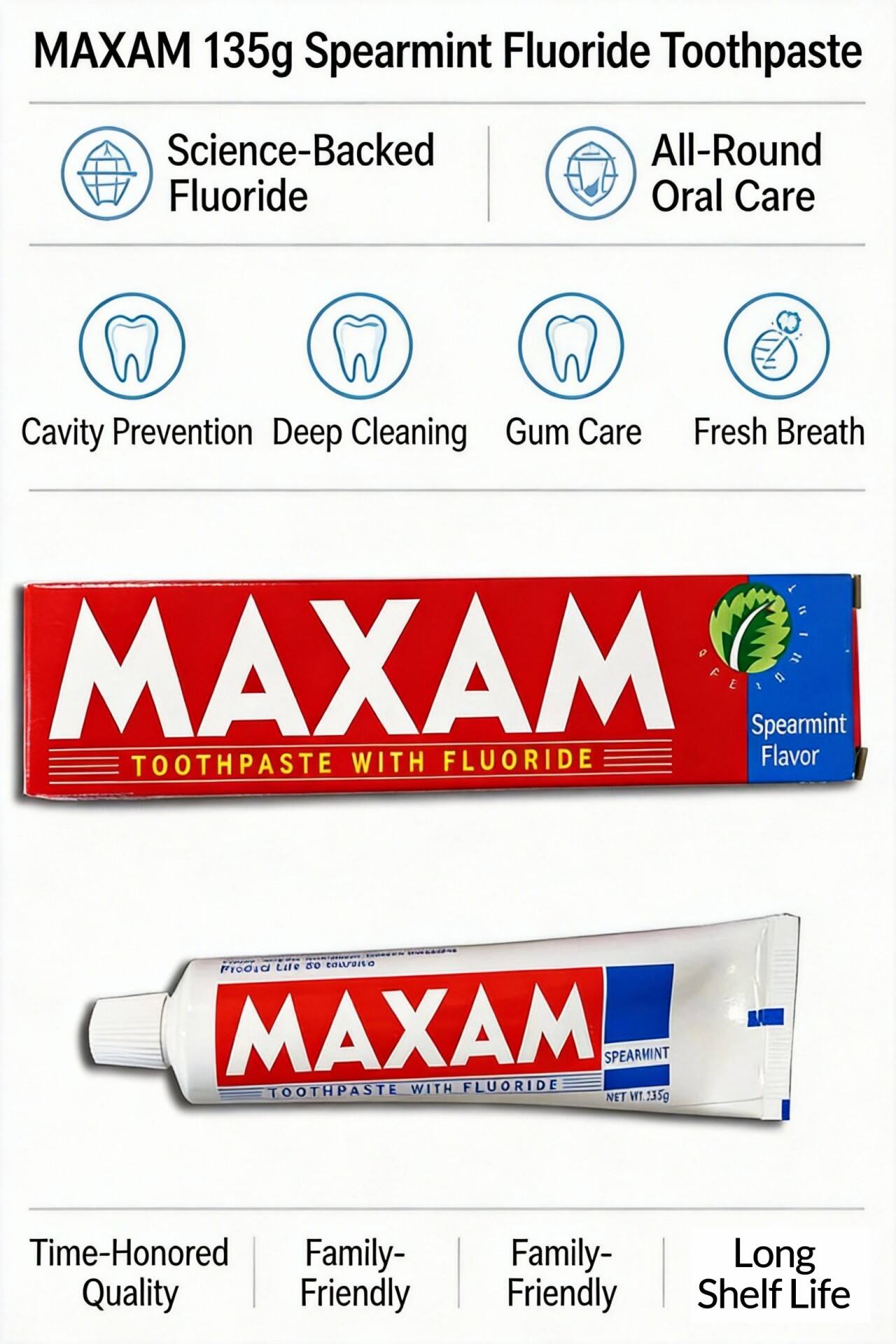
Based in Shanghai with 30+ years of export experience, MAXAM is a premier oral care manufacturer specializing in efficacy-driven toothpaste for whitening, cavity protection, and sensitivity. Certified by GMPC, BRC, and HALAL.
Join our email list for tips and useful information.