EN
EN


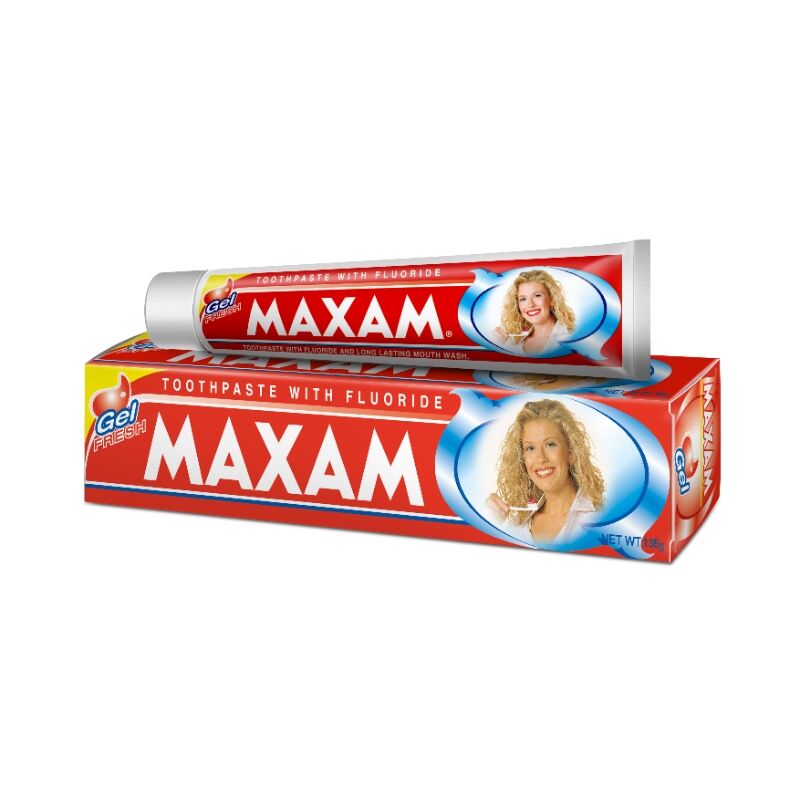
Achieving a radiant smile has evolved from expensive clinical procedures to daily oral care routines. When searching for the best teeth whitening solution that fits into a busy lifestyle, most consumers are now turning toward advanced whitening toothpastes. Unlike professional bleaching that often requires hours in a dental chair, the right toothpaste offers a sustainable, non-invasive way to lift stains and maintain brilliance. However, not all whitening pastes are created equal, and understanding the scientific criteria behind a superior formula is essential for both safety and visible results.
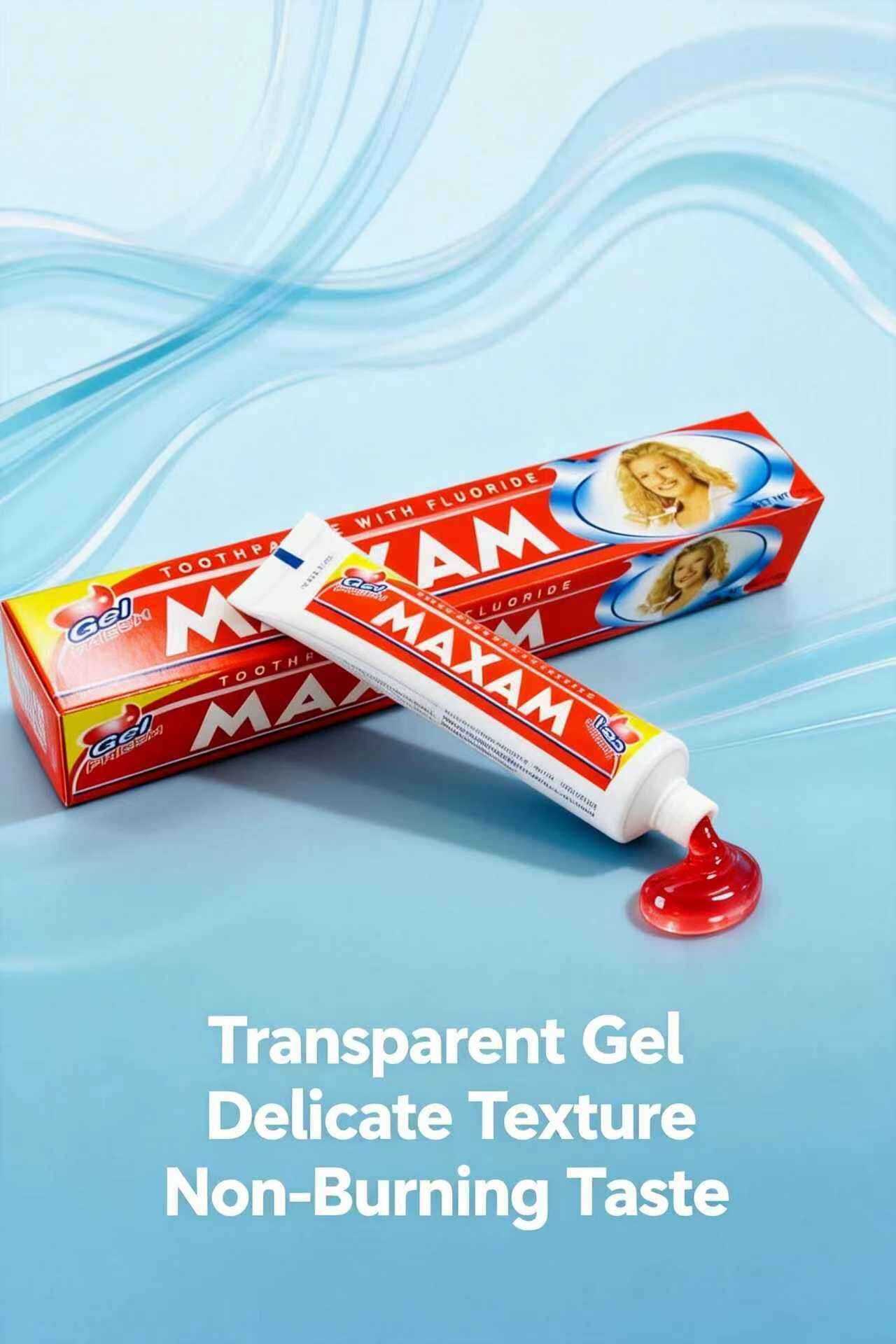
The first and most critical criterion for the best teeth whitening toothpaste is its Relative Dentin Abrasivity (RDA) score. Traditional whitening toothpastes often relied on heavy gritty particles to physically scrub away surface stains. While effective in the short term, high-abrasivity formulas can lead to permanent enamel erosion and increased tooth sensitivity. A premium whitening solution must find the "sweet spot"—using specialized polishing agents like hydrated silica or calcium carbonate that are fine enough to remove extrinsic stains from coffee, tea, and tobacco without scratching the protective enamel layer.
Beyond physical scrubbing, modern formulations incorporate chemical stain dissolvers. Ingredients such as sodium hexametaphosphate act as a shield, preventing new stains from bonding to the tooth surface. This dual-action approach—gentle mechanical polishing combined with chemical prevention—ensures that the teeth become whiter over time while remaining structurally sound. For students or professionals who consume multiple cups of coffee daily, this preventative layer is what distinguishes a standard toothpaste from a truly elite whitening product.
| Component Type | Function in Whitening | Impact on Oral Health |
| Micro-Polishing Agents | Gently lifts surface-level debris and extrinsic yellowing | Low RDA scores preserve enamel thickness |
| Enamel Remineralizers | Strengthens the tooth surface with Fluoride or Hydroxyapatite | Reduces sensitivity caused by whitening |
| Stain-Shield Polymers | Creates a transparent barrier against food pigments | Prevents "re-staining" after meals |
| Optical Brighteners | Uses blue-covalin technology to mask yellow tones instantly | Provides an immediate, temporary visual boost |
While surface stains are the most common concern, the best teeth whitening experience also addresses deeper discoloration through oxygenation or targeted enzyme action. Some top-tier whitening toothpastes now include low concentrations of stabilized hydrogen peroxide or carbamide peroxide. These active ingredients release oxygen molecules that penetrate the porous enamel to break down complex pigment chains that have settled deeper within the tooth structure. This is particularly effective for those dealing with age-related yellowing or deep-set stains that regular brushing cannot reach.
Another hallmark of a high-quality whitening toothpaste is its ability to maintain a healthy oral microbiome. Many aggressive whitening products use harsh detergents like Sodium Lauryl Sulfate (SLS) which can cause canker sores or dry mouth. A superior solution utilizes milder surfactants that create a rich foam to carry whitening agents into the interdental spaces (the gaps between teeth) without irritating the soft tissues of the gums. By ensuring the chemical agents are distributed evenly across all surfaces of the dentition, the user achieves a uniform white shade rather than patchy results.
A significant barrier to consistent teeth whitening is post-treatment sensitivity. Many users abandon their whitening journey because of the sharp "zingers" associated with peroxide-based products. Therefore, a defining criterion for a top-rated toothpaste is the inclusion of desensitizing minerals. Potassium nitrate is a gold-standard ingredient that works by calming the nerves inside the teeth, allowing users to brush twice daily without discomfort. This makes the product viable for long-term use, which is necessary since toothpaste-based whitening is a gradual process rather than an overnight transformation.
Consistency is the ultimate driver of success in oral aesthetics. The best teeth whitening toothpaste is one that the user enjoys using every day. This involves sensory factors such as a refreshing flavor profile and a smooth texture. If a toothpaste leaves a chalky residue or has a medicinal aftertaste, compliance will drop. Premium brands focus on a high-quality mint or botanical flavor experience that leaves the mouth feeling clean and the breath fresh, effectively replacing a standard toothpaste entirely. When a whitening solution doubles as a comprehensive cavity-fighting and breath-freshening tool, it becomes an indispensable part of a daily health regimen.
How long does it take to see results with a whitening toothpaste?
Visible results typically appear within two to four weeks of consistent twice-daily brushing. Unlike professional chemical bleaches that work in one hour, toothpaste focuses on gradual extrinsic stain removal and cumulative brightening. For the best outcome, it is recommended to brush for a full two minutes to allow the active ingredients sufficient contact time with the enamel.
Can whitening toothpaste replace professional dental cleanings?
No, whitening toothpaste is designed to remove surface stains and prevent new ones from forming, but it cannot remove tartar (calculus) which has hardened on the teeth. You should still visit a dentist every six months for a professional scaling. However, using a high-quality whitening toothpaste between visits will make your professional cleanings easier and keep your smile brighter for longer.
Is it safe to use whitening toothpaste every day?
Yes, provided the toothpaste is formulated with a safe RDA (Relative Dentin Abrasivity) level and contains fluoride for cavity protection. Modern whitening toothpastes are designed to be used as your primary daily toothpaste. If you have extremely thin enamel or pre-existing sensitivity, look for "sensitive whitening" variants that prioritize remineralization alongside stain removal.
Does whitening toothpaste work on dental implants or veneers?
Whitening toothpastes are formulated to work on natural tooth enamel. They will not change the intrinsic color of porcelain or composite materials used in crowns, veneers, or implants. However, they are excellent for removing surface stains that accumulate on these restorations, helping them maintain their original shade and blending in with your natural teeth.
What is the difference between "optical" whitening and "peroxide" whitening?
Optical whitening uses blue-tinted pigments that deposit on the teeth to offset yellow tones, creating an immediate illusion of whiteness that lasts for a few hours. Peroxide whitening actually breaks down the stains via oxidation for a lasting change. The most effective daily toothpastes often combine both: optical brighteners for an instant glow and mechanical/chemical agents for long-term stain removal.

Based in Shanghai with 30+ years of export experience, MAXAM is a premier oral care manufacturer specializing in efficacy-driven toothpaste for whitening, cavity protection, and sensitivity. Certified by GMPC, BRC, and HALAL.
Join our email list for tips and useful information.