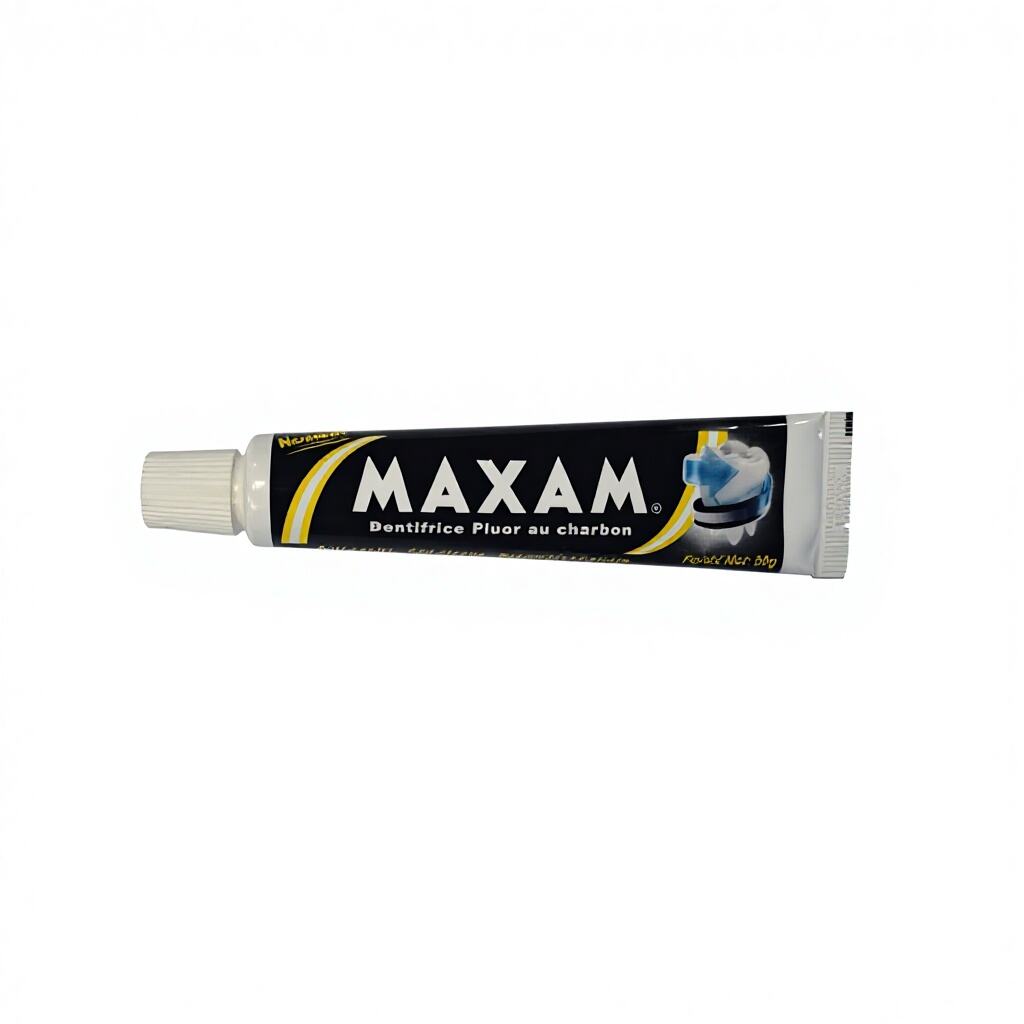
Comprehensiva Orae Sanitas Protectio Ultra Albicantiam et Sensibilitatem
Dentifricium dealbans sensibile praebet praestantem utilitatem per suam multifunctionalem compositionem, quae protectionem longe ultra praecipuos eius effectus — dealbationem et lenitionem sensibilitatis — extendit, ingredientibus comprehensivis ad sanitatem oralem, quae praeventioni cariorum, morbis gingivarum, fortificationi smalti et halitui fresco inserviunt. Contentum fluoridi, ut in pluribus casibus stannosum fluoridum vel natrii fluoridum ad concentrationes a societatibus dentalibus recommendatas, probatam praebet protectionem contra carios, promovendo remineralizationem locorum incipientis cariosis et faciendo smaltum magis resistentem ad attactus acidos ex metabolismo bacteriarum et fontibus cibariis. Hic processus remineralizationis vere microscopica damna reparat antequam progrediantur ad carios quae professionalem interventum postulant, ut sic utentes a futuris impensis dentalibus et molestiis liberentur. Multae compositiones includunt agentia antibacteriana, ut citratum zinci aut derivationes triclosani, quae minuunt populationes bacteriarum responsabiles pro inflammatione gingivarum, formatione placcae et halitu foedo, ita ut sanitas periodontalis simul cum emendatione cosmética iuvetur. Importantiā sanitatis gingivarum non potest satis magni pendere, quoniam morbus periodontalis est causa principalis amissionis dentium apud adultos et coniunctus est cum affectionibus systematicis, inter quas morbi cardiovasculares et complicatio diabetae. Composita calcii et phosphati in compositionibus provectis processus naturales reparationis smalti dentium sublevare, quasi dentes tuos mineralibus alant quibus opus est ad tenendam vim et resistendum attritioni. Aliqua dentifricia dealbantia sensibilia argininum includunt, acidum amino quod pH placcae augens ambientes minus acidos creat, ita ut tum risicum carios tum sensibilitas minuantur, simulque bacteriis oris salutaribus faventur. Componentes halitum refrescantes ultra simplicem aromatizationem procedunt, revera enim compounding sulfuris volatilium, quae a bacteriis producuntur, neutralizant, non modo odores transitorie obtegunt. Pro clientibus potentiis qui decisionem emptionis suae aestimant, haec protectio comprehensiva in simplificationem rituum curae orales, in minorationem necessitatis plurium productorum specialium, et in conservationem pecuniae tam in emptionibus productorum quam in futuris curis dentalibus convertitur, quae per cotidianam curam protectricem praeveniuntur. Ratio utilitatis non solum beneficia cosmética et commoditatis immediate complectitur, sed etiam conservationem sanitatis dentalis longi temporis, qua dentes tui naturales decenniis integri, functionales et speciosi manent. Haec universalis ratio modernam scientiam reflectit, secundum quam sanitas oris pluribus factoribus interconectitur, et simul eorum tractatio per sapientem compositionem praestantiores exitus efficit quam producta unius finis, quae complexum aequilibrii oris ignorare.
 EN
EN