EN
EN


Achieving and maintaining a brighter smile requires consistent daily care rather than relying solely on periodic professional treatments. The best teeth whitening method for daily care combines gentle yet effective products with proper oral hygiene practices that gradually lift surface stains while protecting enamel integrity. Understanding which whitening approaches work safely for everyday use helps you build a routine that delivers visible results without causing sensitivity or damaging tooth structure. Daily whitening care focuses on preventive maintenance and gradual enhancement rather than dramatic overnight transformations, making it ideal for long-term oral health and aesthetic goals.
When evaluating the best teeth whitening options for daily use, the primary considerations include safety for enamel, effectiveness against common staining agents, convenience of application, and compatibility with existing oral care routines. Professional-grade whitening treatments offer dramatic results but cannot be used daily due to their concentrated formulations, while certain at-home methods provide gentle continuous action suitable for everyday application. The ideal daily whitening method balances efficacy with safety, ensuring that regular use enhances tooth brightness without compromising dental health or causing uncomfortable side effects that would discourage consistent application.
Daily whitening methods differ fundamentally from intensive treatments in their active ingredient concentrations and intended usage frequency. Professional whitening procedures typically employ hydrogen peroxide or carbamide peroxide in concentrations ranging from 15% to 40%, designed for single-session or limited-use application under controlled conditions. In contrast, daily whitening products contain significantly lower concentrations, usually between 0.1% and 3% hydrogen peroxide equivalent, allowing safe repeated use without damaging enamel or causing prolonged sensitivity. This concentration difference means that daily methods work through cumulative effect rather than immediate transformation.
The mechanism of action remains similar across whitening methods, with peroxide-based agents penetrating enamel to oxidize chromophore molecules responsible for tooth discoloration. However, daily whitening products are formulated with additional protective agents such as fluoride, potassium nitrate, and remineralizing compounds that offset potential sensitivity while strengthening tooth structure. The best teeth whitening approach for daily care incorporates these protective elements, ensuring that regular use maintains oral health rather than compromising it. This balanced formulation allows users to whiten teeth gradually while simultaneously benefiting from cavity protection and enamel fortification.
Daily whitening methods prove particularly effective against extrinsic stains caused by dietary factors such as coffee, tea, red wine, and tobacco use. These surface-level discolorations accumulate gradually and respond well to consistent low-concentration whitening agents combined with mechanical cleaning action. The best teeth whitening products for daily care target these common staining sources through dual-action formulations that both prevent new stain formation and gradually lift existing discoloration. For individuals who regularly consume staining beverages or foods, daily whitening maintenance becomes essential for preserving tooth brightness between more intensive treatments.
Intrinsic staining caused by factors such as medication use, fluorosis, or age-related dentin changes requires more concentrated treatments and typically does not respond as effectively to daily whitening methods alone. However, even for intrinsic discoloration, daily whitening care plays a supportive role by maintaining the results achieved through professional treatments and preventing additional extrinsic staining from obscuring improvements. Understanding this distinction helps set realistic expectations for what daily whitening can accomplish and when supplementary professional intervention might be necessary for optimal aesthetic outcomes.
Whitening toothpastes represent the most accessible and widely used form of daily teeth whitening, incorporating multiple active ingredients that work synergistically to remove surface stains and prevent new discoloration. The primary whitening agents in these formulations include mild abrasives such as hydrated silica or calcium carbonate that mechanically polish away surface stains, combined with chemical agents like hydrogen peroxide or carbamide peroxide that oxidize stain molecules. Some advanced formulations also contain blue covarine pigments that create an immediate optical brightening effect by depositing on tooth surfaces and counteracting yellow tones through color theory principles.
The effectiveness of whitening toothpaste depends significantly on formulation quality, with professional-grade products achieving superior results compared to basic consumer varieties. The best teeth whitening toothpastes balance abrasive action with enamel protection, ensuring that stain removal does not compromise tooth structure through excessive wear. Quality formulations incorporate remineralizing agents such as calcium phosphate compounds or nano-hydroxyapatite that repair microscopic enamel defects while whitening occurs, creating a dual benefit that enhances both appearance and structural integrity of tooth surfaces over time.
Achieving optimal results from whitening toothpaste requires proper brushing technique and adequate contact time between the product and tooth surfaces. Most dental professionals recommend brushing for a minimum of two minutes, twice daily, using gentle circular motions that thoroughly cover all tooth surfaces without applying excessive pressure that could damage enamel or irritate gum tissue. For enhanced whitening effect, some users extend brushing time to three minutes or perform an additional midday brushing session, though care must be taken to avoid over-brushing that could lead to enamel erosion or gum recession.
The best teeth whitening results from daily toothpaste use emerge when the product is allowed sufficient time to interact with tooth enamel before rinsing. Some whitening toothpastes are specifically designed for extended contact, with users instructed to leave a small amount on teeth for 30 seconds after brushing before final rinsing. This technique maximizes the exposure time for whitening agents while minimizing product waste. Consistency proves more important than intensity in daily whitening routines, with regular twice-daily application yielding better long-term results than sporadic use of higher-concentration products.
Whitening mouth rinses provide an additional layer of stain prevention and gradual whitening that complements toothpaste use in comprehensive daily care routines. These liquid formulations typically contain hydrogen peroxide in concentrations between 1.5% and 2%, along with antibacterial agents and flavoring compounds that freshen breath while delivering whitening benefits. The primary advantage of whitening rinses lies in their ability to reach interdental spaces and other areas that brushing may not adequately clean, providing more complete coverage for stain prevention and removal across all tooth surfaces.
For maximum effectiveness, whitening mouth rinses should be used according to manufacturer instructions, typically involving swishing the product for 60 seconds once or twice daily after brushing. The best teeth whitening mouth rinses avoid alcohol-based formulations that can cause dryness and irritation, instead utilizing alcohol-free bases that maintain comfortable oral environment while delivering active ingredients. Some users report increased tooth sensitivity when combining whitening toothpaste with whitening rinse, particularly during initial usage, suggesting a gradual introduction approach where products are added sequentially to allow adaptation rather than implementing multiple new products simultaneously.
Daily whitening care extends beyond product application to include dietary awareness and behavioral modifications that minimize stain accumulation. The most problematic staining agents include dark-colored beverages such as coffee, black tea, red wine, and cola, along with intensely pigmented foods like berries, curry, and tomato-based sauces. While complete avoidance of these items proves impractical for most people, simple strategies such as using straws for beverages, rinsing with water immediately after consumption, and scheduling consumption of staining foods before regular brushing sessions significantly reduces their impact on tooth color.
Certain foods actually support natural teeth whitening through their texture and composition, making them valuable additions to a whitening-focused diet. Crunchy vegetables like celery, carrots, and apples provide mechanical cleaning action that helps remove surface debris and stimulate saliva production, which naturally cleanses and remineralizes teeth. Dairy products rich in calcium and phosphates support enamel strength and may help maintain natural tooth brightness. The best teeth whitening approach for daily care integrates these dietary considerations with topical products, creating a comprehensive strategy that both actively whitens and passively prevents new staining from undermining progress.
Recent technological developments have introduced LED light-activated whitening systems designed for daily home use, representing an evolution from professional in-office light-accelerated treatments. These consumer devices typically pair a blue LED light source with lower-concentration whitening gel applied via a mouth tray, with manufacturers claiming that light exposure enhances the oxidation process and accelerates whitening results. The devices range from simple mouthpiece designs with integrated lights to smartphone-connected systems that provide treatment timing and progress tracking through dedicated applications.
Scientific evidence regarding the efficacy enhancement provided by LED activation in home whitening systems remains mixed, with some studies showing minimal additional benefit compared to gel application alone, while others demonstrate modest improvements in whitening speed. The best teeth whitening LED systems for daily use focus on safety features such as automatic shutoff timers, temperature monitoring to prevent tissue damage, and comfortable tray designs that ensure proper gel-tooth contact without causing jaw fatigue during treatment sessions. For users committed to daily whitening routines, these devices offer convenience and may provide psychological motivation through their technological appeal, even if the light component contributes minimally to actual whitening effectiveness.
Thin flexible strips coated with whitening gel represent another popular option for daily whitening care, offering precise application and controlled dosing of active ingredients. These products adhere directly to tooth surfaces, maintaining contact with enamel for extended periods, typically 30 minutes to one hour, allowing deeper penetration of whitening agents compared to brief toothpaste contact. Most whitening strips contain hydrogen peroxide in concentrations between 5% and 10%, positioning them between toothpaste and professional treatments in terms of strength, though daily-use formulations generally employ lower concentrations to permit frequent application.
The effectiveness of whitening strips depends significantly on proper application technique and ensuring complete contact between the strip and tooth surfaces, particularly in areas with irregular tooth alignment or spacing. The best teeth whitening strips feature flexible materials that conform to tooth contours and remain securely in place throughout treatment duration without slipping or requiring constant adjustment. Some users experience gum irritation if the gel-coated portion contacts soft tissue, making careful placement essential for comfortable daily use. For individuals seeking more intensive daily whitening than toothpaste alone provides but preferring to avoid the commitment and cost of professional treatments, quality whitening strips offer an effective middle-ground solution.
The primary safety concern with any whitening method involves potential enamel damage through either chemical erosion from acidic formulations or mechanical abrasion from overly aggressive cleaning agents. Quality daily whitening products maintain neutral or slightly alkaline pH levels and incorporate enamel-strengthening ingredients such as fluoride, calcium sodium phosphosilicate, or hydroxyapatite that actively repair microscopic surface defects while whitening occurs. This protective approach ensures that regular use enhances rather than compromises tooth structure, distinguishing professional-grade formulations from cheaper alternatives that prioritize immediate whitening effect over long-term dental health.
The best teeth whitening products for daily use undergo rigorous testing to measure abrasivity using standardized scales such as Relative Dentin Abrasivity (RDA) values, with scores below 250 generally considered safe for regular use and values between 70 and 100 regarded as optimal for effective cleaning without excessive wear. Consumers should seek products that clearly state their abrasivity ratings and avoid formulations containing harsh abrasives like baking soda in high concentrations or undisclosed abrasive agents. Regular dental examinations complement daily whitening routines by monitoring enamel condition and identifying any adverse effects before they progress to significant structural damage.
Tooth sensitivity represents the most common side effect of whitening treatments, occurring when peroxide agents temporarily increase enamel permeability and allow stimuli to reach nerve endings within dentin. For daily whitening care, managing sensitivity involves selecting products with desensitizing ingredients such as potassium nitrate or strontium chloride that block neural transmission and reduce discomfort during and after treatment. Many whitening toothpastes now incorporate these agents as standard components, allowing users to whiten and desensitize simultaneously rather than requiring separate products to address sensitivity issues.
If sensitivity develops during a daily whitening routine, several strategies can help restore comfort while maintaining whitening progress. Temporarily reducing application frequency from twice daily to once daily or every other day allows enamel to recover while still providing gradual whitening benefits. Using a dedicated desensitizing toothpaste on alternate days or before whitening product application creates a protective barrier that reduces peroxide penetration to sensitive areas. The best teeth whitening approach prioritizes sustainable long-term use over rapid results, recognizing that gradual whitening with minimal sensitivity proves more successful than aggressive treatment that causes discomfort and leads to routine abandonment.
Visible results from daily whitening methods typically emerge within two to four weeks of consistent use, with gradual improvements continuing over several months. The timeline depends on factors including initial tooth color, staining severity, product concentration, and individual biological response to whitening agents. Users with primarily extrinsic staining from dietary sources generally notice faster improvement compared to those with intrinsic discoloration. Patience and consistency prove essential, as daily whitening works through cumulative effect rather than immediate transformation.
Quality daily whitening products formulated with appropriate concentrations and protective ingredients do not damage enamel when used as directed over extended periods. The key lies in selecting products with balanced formulations that include remineralizing agents and maintain safe abrasivity levels. Overuse of any whitening product or selection of poorly formulated alternatives can potentially compromise enamel, making it essential to choose reputable brands and follow usage instructions. Regular dental checkups provide professional monitoring to ensure whitening routines maintain rather than harm dental health.
Combining multiple whitening products can enhance results but also increases the risk of sensitivity and should be approached cautiously. A common effective combination involves using whitening toothpaste twice daily supplemented with whitening mouth rinse once daily. Adding whitening strips or LED systems requires careful monitoring for sensitivity and may benefit from alternating-day schedules rather than daily application. The best approach involves introducing products gradually, allowing adaptation periods between additions, and adjusting the routine based on individual tolerance and results rather than assuming more products automatically produce better outcomes.
Professional whitening treatments provide more dramatic and rapid results than daily methods alone, making them valuable for significant discoloration or desired rapid improvement. However, for individuals with mild to moderate staining who prioritize gradual enhancement and preventive maintenance, consistent daily whitening care may sufficiently meet aesthetic goals without professional intervention. Many people successfully combine approaches, using professional treatments periodically for major improvement and maintaining results through daily whitening routines between professional sessions. The decision depends on individual goals, budget, and initial tooth condition.

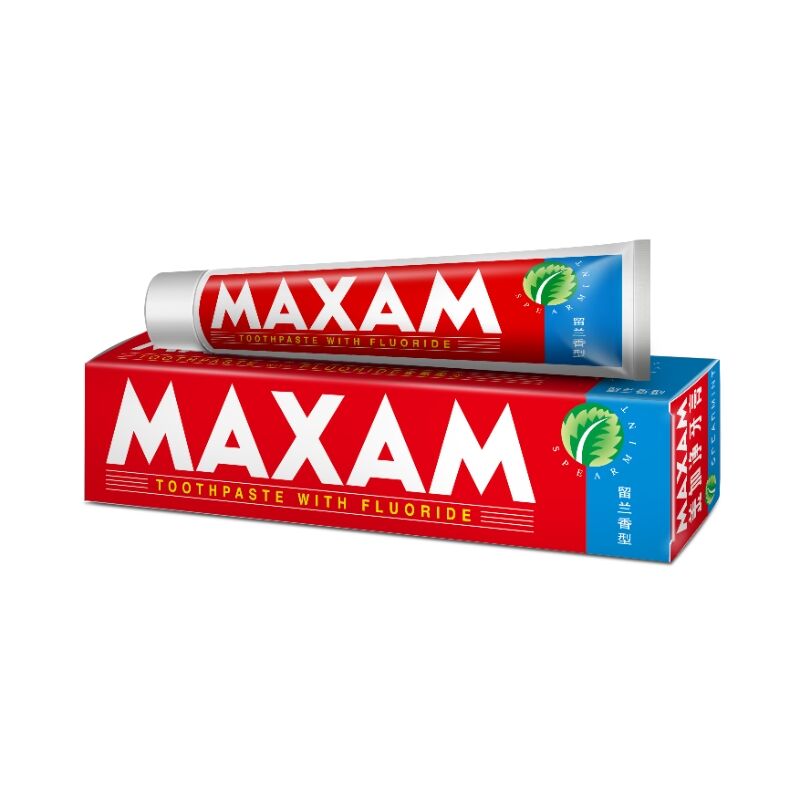
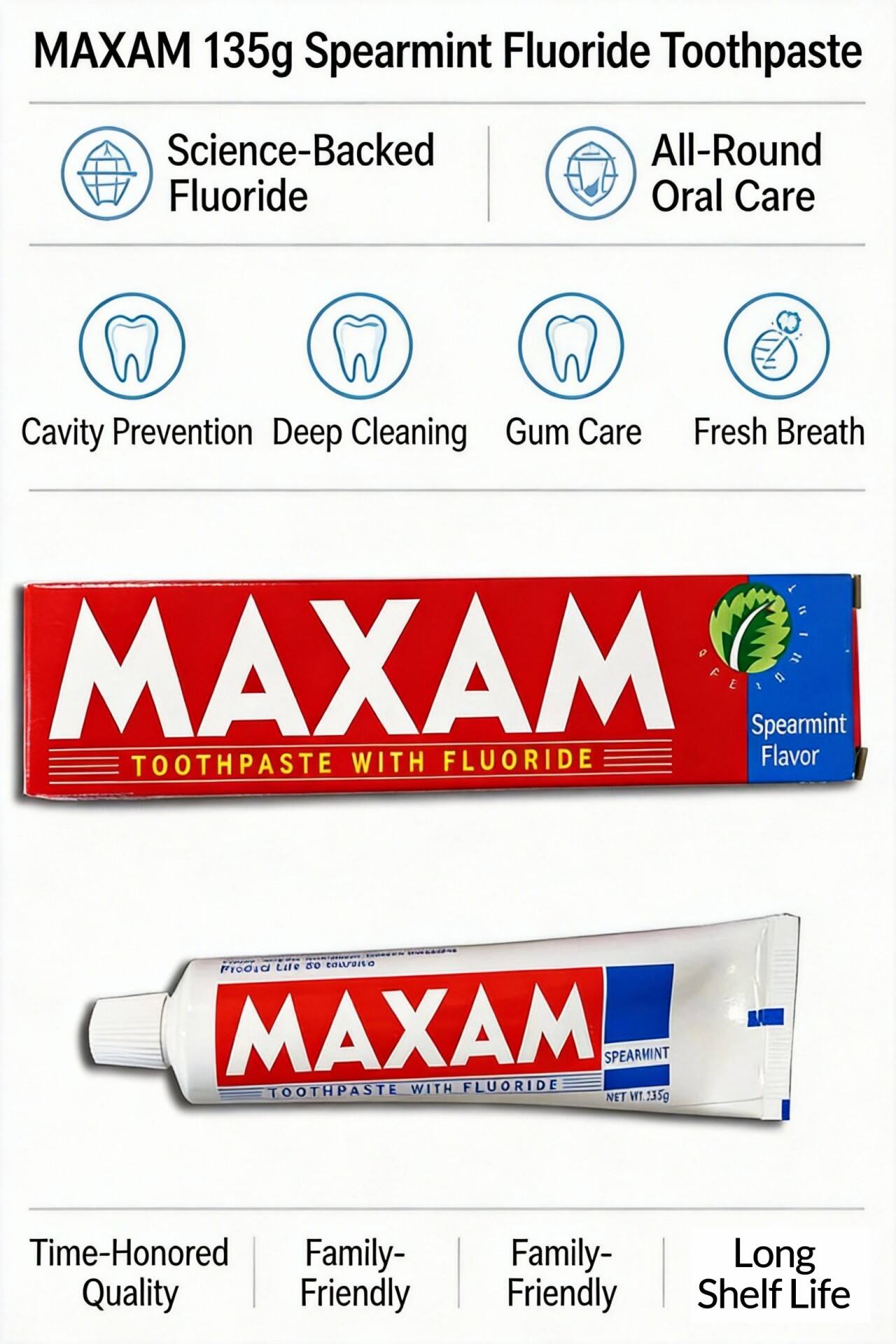
Based in Shanghai with 30+ years of export experience, MAXAM is a premier oral care manufacturer specializing in efficacy-driven toothpaste for whitening, cavity protection, and sensitivity. Certified by GMPC, BRC, and HALAL.
Join our email list for tips and useful information.