 EN
EN


If you have browsed the oral care aisle recently, you have likely noticed dark-colored tubes claiming to brighten your smile. charcoal toothpaste has become one of the most talked-about dental products in recent years, drawing attention from consumers who want whiter teeth without harsh chemical bleaches. But what exactly is charcoal toothpaste, and how does it actually work inside your mouth? Understanding both the composition and the mechanism behind charcoal toothpaste helps buyers make smarter, better-informed purchasing decisions.
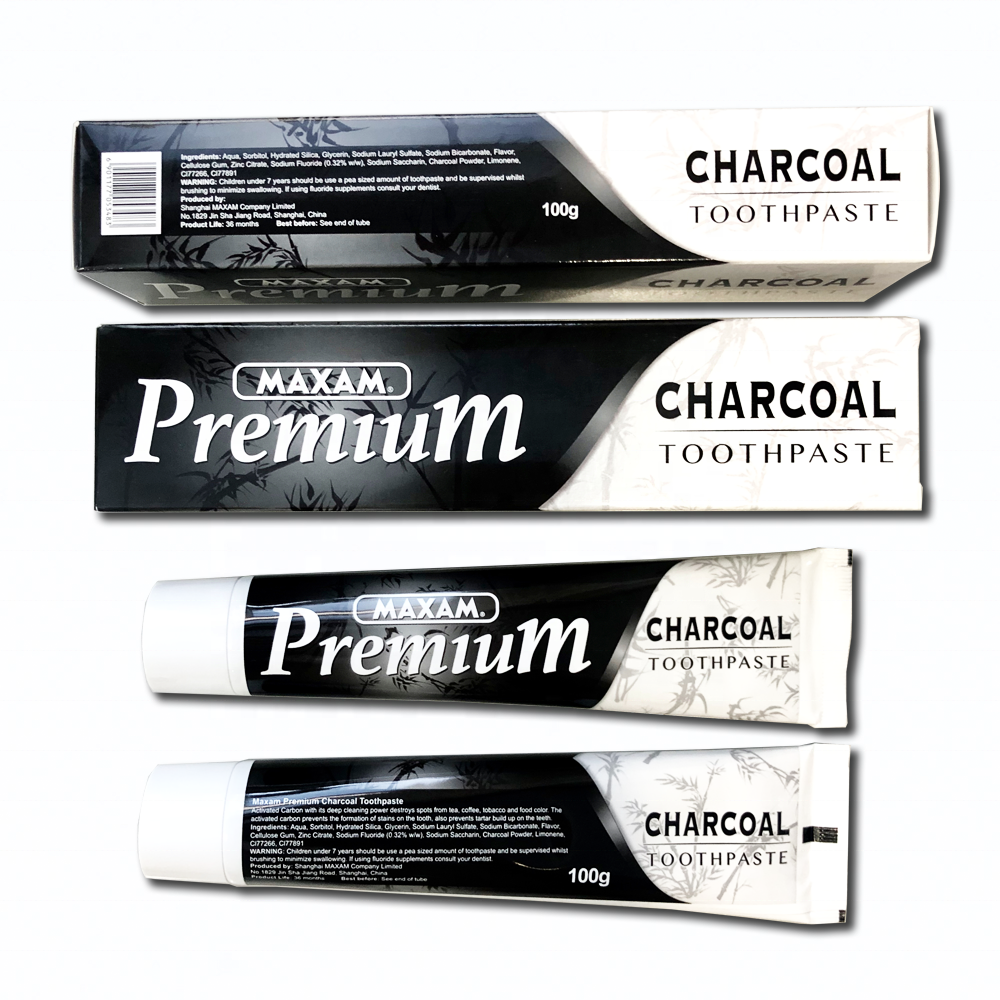
Charcoal toothpaste is a formulated oral care product that uses activated charcoal as a primary functional ingredient, combined with standard toothpaste components such as humectants, binders, flavoring agents, and sometimes fluoride. Unlike ordinary toothpaste, charcoal toothpaste has a distinctly dark color, typically black or very dark grey, which comes directly from the activated charcoal content. When used correctly, charcoal toothpaste works through both physical and chemical mechanisms to remove surface stains and support fresher breath. This article breaks down what charcoal toothpaste is, how it works, what ingredients matter most, and what to consider before making it part of your daily routine.
The defining ingredient in charcoal toothpaste is activated charcoal, which is not the same as the charcoal used in grilling. Activated charcoal is produced by processing carbon-rich materials, such as coconut shells or wood, at very high temperatures and then treating them with oxygen. This activation process creates an extremely porous structure with a large surface area. In charcoal toothpaste, this porous material is responsible for attracting and binding stain-causing compounds on the tooth surface. The adsorption capacity of activated charcoal is the key property that gives charcoal toothpaste its ability to lift surface discoloration from enamel.
Charcoal toothpaste also contains a range of supporting ingredients that affect both performance and user experience. Many charcoal toothpaste formulas include mild abrasives such as silica or calcium carbonate, which assist in physically scrubbing plaque and residue from the enamel surface. Humectants such as glycerin are added to charcoal toothpaste to maintain the paste texture and prevent it from drying out. Flavoring agents, most commonly mint-based, are included in charcoal toothpaste to leave a fresh sensation after brushing. Some versions of charcoal toothpaste include fluoride to support remineralization, while others are fluoride-free, which matters for certain consumer segments.
When you apply charcoal toothpaste and begin brushing, the activated charcoal particles come into direct contact with the surfaces of your teeth. Through a process called adsorption, the highly porous charcoal particles attract and bind tannins, pigments, and other stain-causing molecules that sit on the tooth enamel. These compounds are responsible for the yellowing or dulling of teeth caused by coffee, tea, red wine, and certain foods. Charcoal toothpaste works by trapping these molecules within its porous structure, allowing them to be rinsed away when you spit and rinse. This is different from chemical whitening agents, which bleach pigment molecules rather than physically removing them.
Beyond adsorption, charcoal toothpaste also works through mild mechanical abrasion. The fine particles in charcoal toothpaste gently scrub the enamel surface as you brush, helping to dislodge biofilm and light surface buildup that may not respond to adsorption alone. This dual-action approach makes charcoal toothpaste effective at providing a polished, clean feeling after brushing. However, the abrasive level in charcoal toothpaste must be carefully controlled during formulation. High-quality charcoal toothpaste is designed with an abrasivity level that cleans effectively without posing unnecessary wear risk to enamel when used as directed. Consumers should always follow the recommended brushing time when using charcoal toothpaste to get the best results safely.
Charcoal toothpaste is most effective when used consistently as part of a daily oral care routine. Many users choose to use charcoal toothpaste once per day, typically in the morning, to remove overnight buildup and start the day with a cleaner, fresher mouth. Charcoal toothpaste can also be used a few times per week as a targeted stain-maintenance product alongside a regular toothpaste used for the remaining brushing sessions. When brushing with charcoal toothpaste, apply a pea-sized amount, brush gently for two minutes, and rinse thoroughly until the black residue is fully removed. Because charcoal toothpaste has a dark color, rinsing completely is important for both comfort and appearance.
Charcoal toothpaste is particularly well-suited for adults who regularly consume staining beverages or foods and want to manage surface discoloration without professional whitening treatments. Charcoal toothpaste appeals to consumers looking for a more natural-feeling alternative to peroxide-based whitening products. It is also popular among buyers interested in clean-label oral care, since many charcoal toothpaste formulas emphasize plant-derived or minimal synthetic ingredients. For retail brands, charcoal toothpaste represents a high-demand product segment with strong consumer recognition. Businesses sourcing charcoal toothpaste should look for formulations with verified safety profiles, balanced abrasivity ratings, and clear ingredient transparency to meet market expectations.
Charcoal toothpaste is generally considered safe for regular use when formulated with an appropriate abrasivity level. Most quality charcoal toothpaste products are designed for daily use, but following the product instructions is important. If you have sensitive enamel or dental restorations, consult a dentist before using charcoal toothpaste daily.
Charcoal toothpaste works by removing surface stains through adsorption and mild abrasion, which can make teeth appear visibly brighter over time. It does not bleach the underlying tooth structure like peroxide treatments do. Charcoal toothpaste is most effective for maintaining brightness and removing dietary stains rather than changing the natural shade of enamel.
Yes, charcoal toothpaste can be used alongside a fluoride toothpaste as part of a combined routine. Many consumers use charcoal toothpaste once daily and a fluoride-based toothpaste at other brushing sessions to balance stain control with remineralization support. This approach allows users to benefit from what charcoal toothpaste offers while also maintaining standard fluoride protection.

Based in Shanghai with 30+ years of export experience, MAXAM is a premier oral care manufacturer specializing in efficacy-driven toothpaste for whitening, cavity protection, and sensitivity. Certified by GMPC, BRC, and HALAL.
Join our email list for tips and useful information.


