 EN
EN


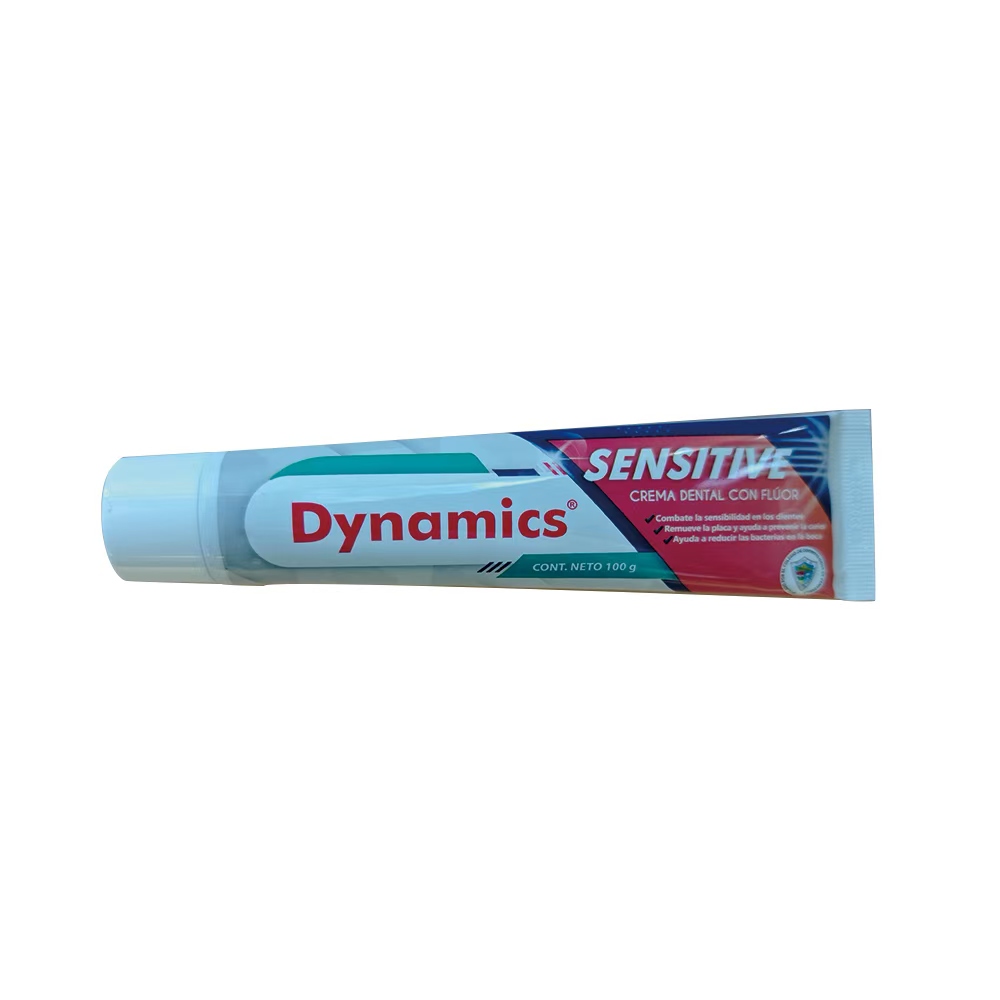
Bad breath remains one of the most common oral health concerns affecting millions of people worldwide, impacting both personal confidence and professional interactions. The search for effective solutions has led many to discover the benefits of spearmint toothpaste, a specialized dental care product designed to address the root causes of halitosis while delivering lasting freshness. Unlike generic toothpastes that merely mask odors temporarily, spearmint toothpaste works through multiple mechanisms to eliminate bacteria, neutralize odor compounds, and promote sustained oral freshness throughout the day.
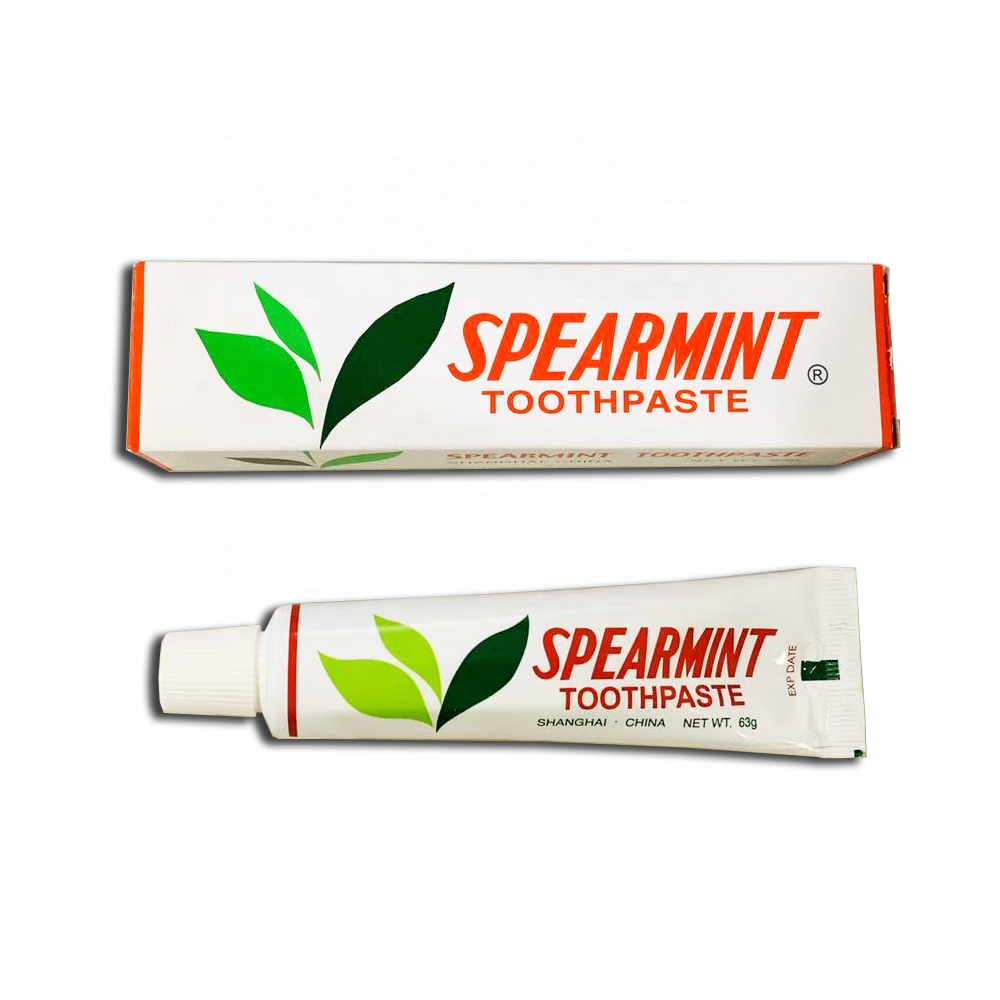
The effectiveness of spearmint toothpaste lies in the natural properties of spearmint extract combined with proven antimicrobial ingredients that target odor-causing bacteria. When you brush with spearmint toothpaste, the formula penetrates deep into oral tissues, gum pockets, and hard-to-reach areas where bacteria accumulate and produce volatile sulfur compounds responsible for foul smells. This comprehensive approach means spearmint toothpaste not only freshens your breath immediately but also supports long-term oral health by reducing bacterial populations that contribute to gum disease and tooth decay.
Spearmint contains natural carvone and limonene compounds that possess strong antimicrobial properties. When spearmint toothpaste is applied during brushing, these active compounds disrupt bacterial cell membranes and inhibit their reproduction cycles. The bacteria responsible for bad breath thrive in anaerobic environments within the mouth, particularly along the tongue, gum line, and between teeth. Spearmint toothpaste creates a hostile environment for these pathogens, significantly reducing their population and thereby eliminating the source of unpleasant odors rather than merely masking them temporarily.
Volatile sulfur compounds, or VSCs, are the primary culprits behind bad breath, and spearmint toothpaste directly addresses this issue. These compounds are produced as bacteria break down proteins in food debris, saliva, and dead oral cells. Spearmint toothpaste contains ingredients that chemically neutralize these sulfur compounds while simultaneously killing the bacteria producing them. Regular use of spearmint toothpaste therefore creates a dual-action effect: immediate VSC neutralization combined with bacterial population reduction that prevents future odor generation. This makes spearmint toothpaste particularly effective for individuals suffering from chronic halitosis.
One of the most noticeable benefits of spearmint toothpaste is the extended duration of fresh breath it provides compared to standard toothpastes. The spearmint toothpaste formula creates a protective barrier of active ingredients that continues working long after brushing. Users typically report noticing fresher breath hours after brushing, which significantly improves social confidence and workplace interactions. The sustained freshness from spearmint toothpaste is especially valuable for professionals who engage in frequent face-to-face meetings or customer interactions, as the lasting effect eliminates the need for frequent touch-ups throughout the day.
Beyond addressing bad breath symptoms, spearmint toothpaste supports overall gum health by reducing inflammation and bacterial infection in periodontal tissues. Poor gum health often contributes significantly to bad breath, as infected or inflamed gums harbor high concentrations of odor-producing bacteria. Spearmint toothpaste's antimicrobial and anti-inflammatory properties work together to reduce gum bleeding, sensitivity, and swelling. Over time, consistent use of spearmint toothpaste leads to healthier gum tissue, which further reduces bad breath triggers and supports better overall oral health outcomes.
While spearmint toothpaste contains powerful odor-fighting ingredients, proper application technique is essential for maximum effectiveness. Dentists recommend brushing for at least two minutes, ensuring that spearmint toothpaste reaches all oral surfaces including the tongue, gum line, and hard-to-access areas between teeth. Use gentle, circular motions rather than aggressive scrubbing, as this allows spearmint toothpaste to remain in contact with bacterial colonies long enough to disrupt them effectively. The formula's active ingredients require adequate contact time to neutralize VSCs and eliminate odor-causing bacteria, making thorough, mindful brushing more beneficial than rushing through the process.
Spearmint toothpaste performs best when combined with other oral hygiene practices that reduce bacterial growth and food debris. Daily flossing removes plaque and food particles from between teeth where spearmint toothpaste cannot fully penetrate during brushing alone. Tongue scraping removes the thick bacterial biofilm on the tongue's surface, which is a major bad breath source. Staying hydrated supports saliva production, which naturally contains antimicrobial compounds that work synergistically with spearmint toothpaste. Limiting sugary and starchy foods reduces the substrate that oral bacteria feed on, making your spearmint toothpaste regimen significantly more effective at maintaining fresh breath throughout the day.
Many users notice improved breath freshness after the first brushing with spearmint toothpaste, as the spearmint oils immediately neutralize volatile sulfur compounds. However, significant reduction in bad breath severity typically emerges after three to seven days of consistent twice-daily use, as spearmint toothpaste gradually reduces bacterial populations. For chronic halitosis cases, optimal results from spearmint toothpaste usually appear within two to three weeks of regular use, reflecting the time needed for the oral microbiome to rebalance toward healthier bacterial communities.
Most formulations of spearmint toothpaste are designed to be gentle enough for sensitive teeth, though this depends on the specific product's other ingredients. If you have sensitive teeth and want to use spearmint toothpaste for bad breath, look for formulations that include desensitizing agents like potassium nitrate or stannous fluoride alongside the spearmint extract. Test spearmint toothpaste initially by brushing gently and monitoring your tooth sensitivity response. If discomfort occurs with regular spearmint toothpaste, consider consulting your dentist about professional-strength options that combine the bad-breath-fighting power of spearmint toothpaste with enhanced sensitivity protection.
Spearmint toothpaste is highly effective at controlling bad breath when used properly, but many dental professionals recommend combining it with other products for comprehensive oral hygiene. Spearmint toothpaste alone excels at mechanical cleaning and surface antimicrobial action, while antiseptic mouthwashes reach areas brushing cannot fully access and provide extended protection between brushings. Using spearmint toothpaste as your primary daily cleanser and adding a spearmint-compatible mouthwash as a supplementary measure maximizes bad breath prevention. However, for mild bad breath cases, quality spearmint toothpaste used twice daily with proper technique may prove entirely sufficient without additional products.

Based in Shanghai with 30+ years of export experience, MAXAM is a premier oral care manufacturer specializing in efficacy-driven toothpaste for whitening, cavity protection, and sensitivity. Certified by GMPC, BRC, and HALAL.
Join our email list for tips and useful information.


