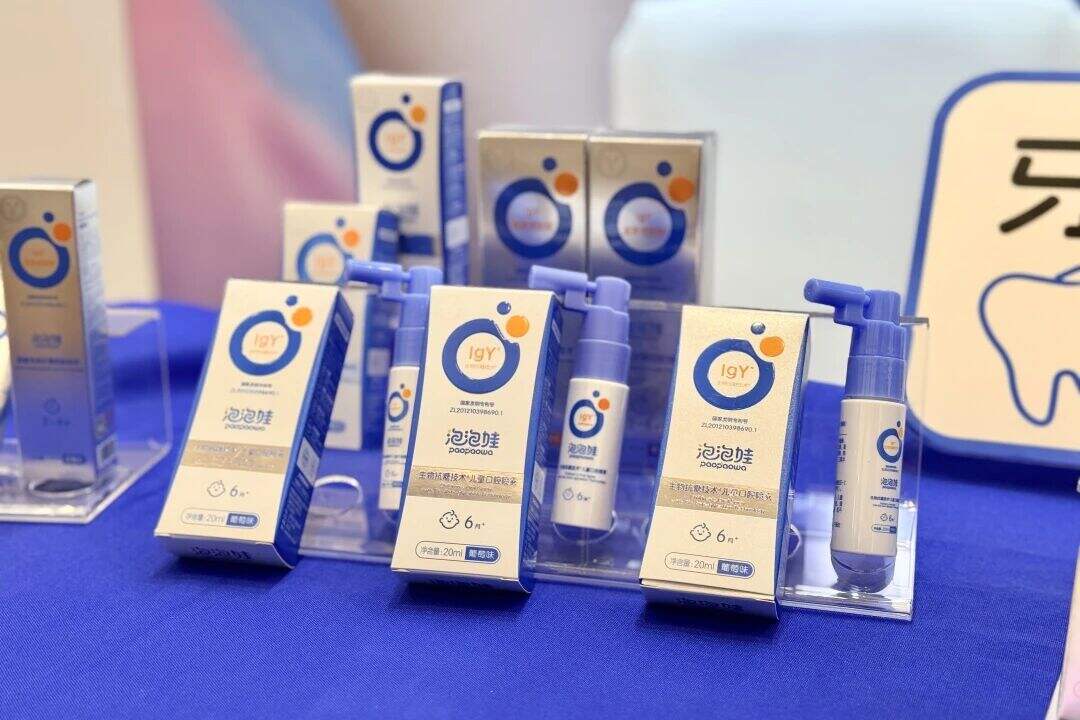
qırmızı bitki əsaslı diş pastası
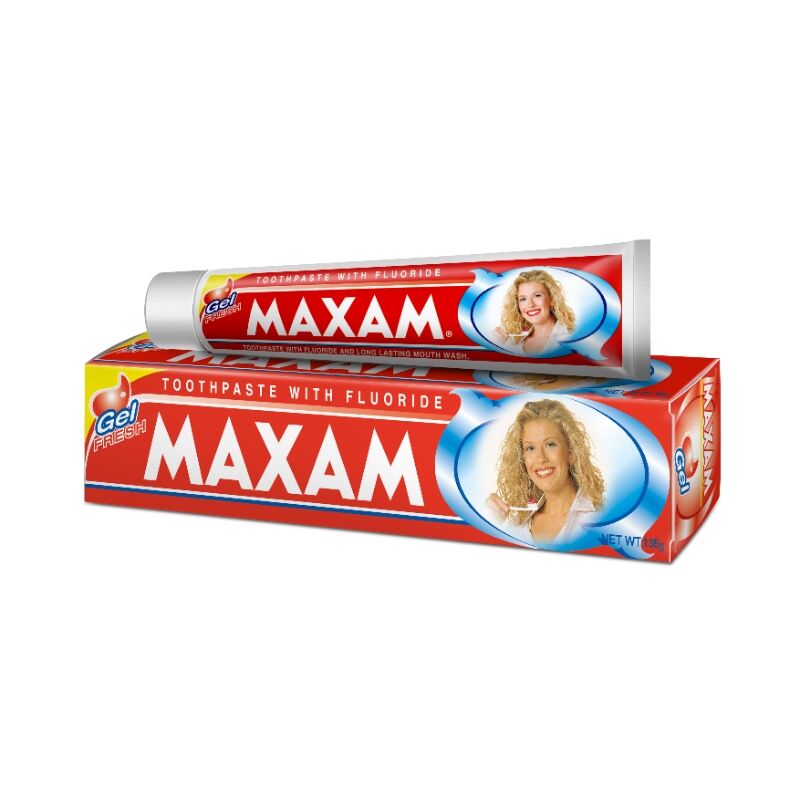
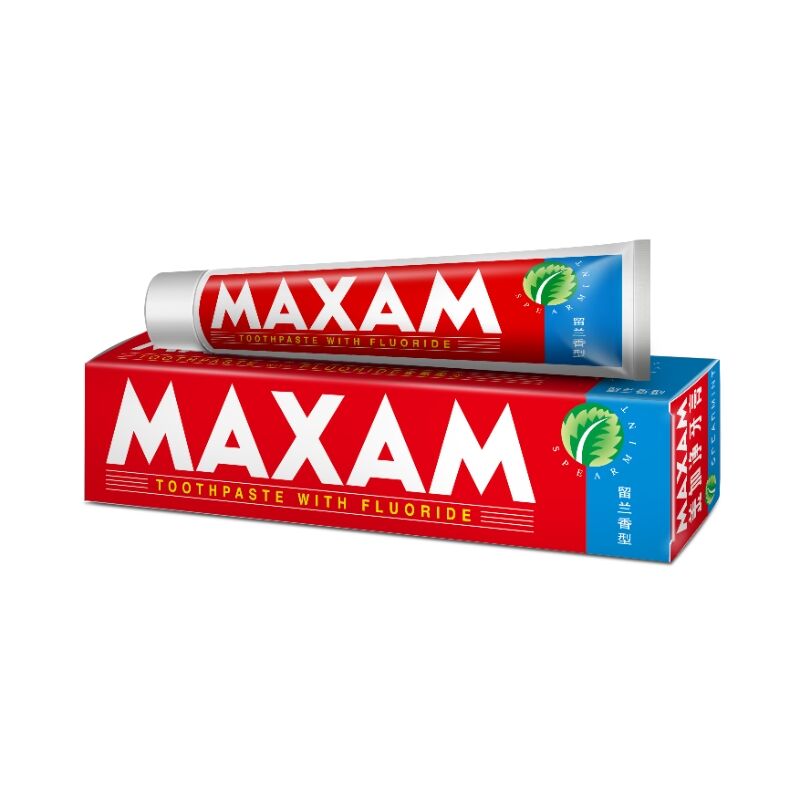
Qırmızı bitki əsaslı diş pastası ağız sağlığında inqilab təmsil edir və dişləriniz və qanadlarınız üçün kompleks müdafiə təmin etmək üçün qədim botanik bilikləri müasir diş hekimliyi elmi ilə birləşdirir. Bu innovativ ağız gigiyenası məhsulu pomegranat ekstraktı, qırmızı jinsenq və digər dərman xüsusiyyətləri ilə tanınan təbii komponentlər daxil olmaqla, diqqətlə seçilmiş qırmızı ot bitkilərinin terapevtik xüsusiyyətlərindən istifadə edir. Fərqli qırmızı rəng bu güclü bitki əsaslı birləşmələrdən, süni boyalar deyil, alınır və bu da onu sağlam həyat tərzi qəbul edən istehlakçılar üçün təbii seçim halına gətirir. Qırmızı bitki əsaslı diş pastası çuxur əmələ gəlməsinin qarşısını almaq, qanadların möhkəmləndirilməsi, nəfəsin təzələnməsi və enamel müdafiəsi də daxil olmaqla bir neçə ağız sağlığı problemi ilə eyni zamanda mübarizə aparır. Bu qeyri-adi məhsulun əsas funksiyaları əsas təmizləmədən artıq gedir. O, plak yığılmasını effektiv şəkildə aradan qaldırır, zərərli bakteriyaları neytrallaşdırır, inflamasiyanı azaldır və ümumi ağız sağlığını təşviq edir. Texnoloji xüsusiyyətlər qırmızı ot bitkilərində olan aktiv birləşmələrin saxlanılmasını təmin edən irəli çıxmış ekstraksiya üsullarını daxil edir ki, bu da maksimum güclülük və effektivlik təmin edir. Formulada nano-hissəcik texnologiyasından istifadə olunur ki, komponentlərin udulmasını artıraraq faydalı birləşmələrin diş enamelına və qanad toxumasına daha dərin nüfuz etməsinə imkan verilsin. Bu qırmızı bitki əsaslı diş pastası diş çürüməsi və qanad xəstəliklərinə səbəb olan mikroorqanizmlərlə mübarizə aparan təbii antibakterial agentlər ehtiva edir. Qırmızı bitki əsaslı diş pastasının tətbiqi müxtəlif demografik qruplar və ehtiyacları əhatə edir. O, ailələr üçün gündəlik ağız gigiyenası tələblərini ödəyir, həssas qanadları olan şəxslər üçün terapevtik fayda təmin edir, diş problemlərinə meylli olanlar üçün profilaktik qayğı təklif edir və sərt kimyəvi maddələr olmadan təbii təzəlik verir. Məhsul bütün yaş qruplarına — doğru fırçalama adətlərini öyrənən uşaqlardan tutmuş yüksək keyfiyyətli ağız sağlığı həlləri axtaran yetkinlərə qədər — effektiv şəkildə işləyir. Formulada gündəlik istifadə üçün kifayət qədər yumşaq, lakin peşəkar səviyyəli nəticələr əldə etmək üçün kifayət qədər güclüdür; bu da təbii vasitələrlə optimal diş sağlığını qorumağa çalışan hər kəs üçün ideal seçimdir.
 EN
EN